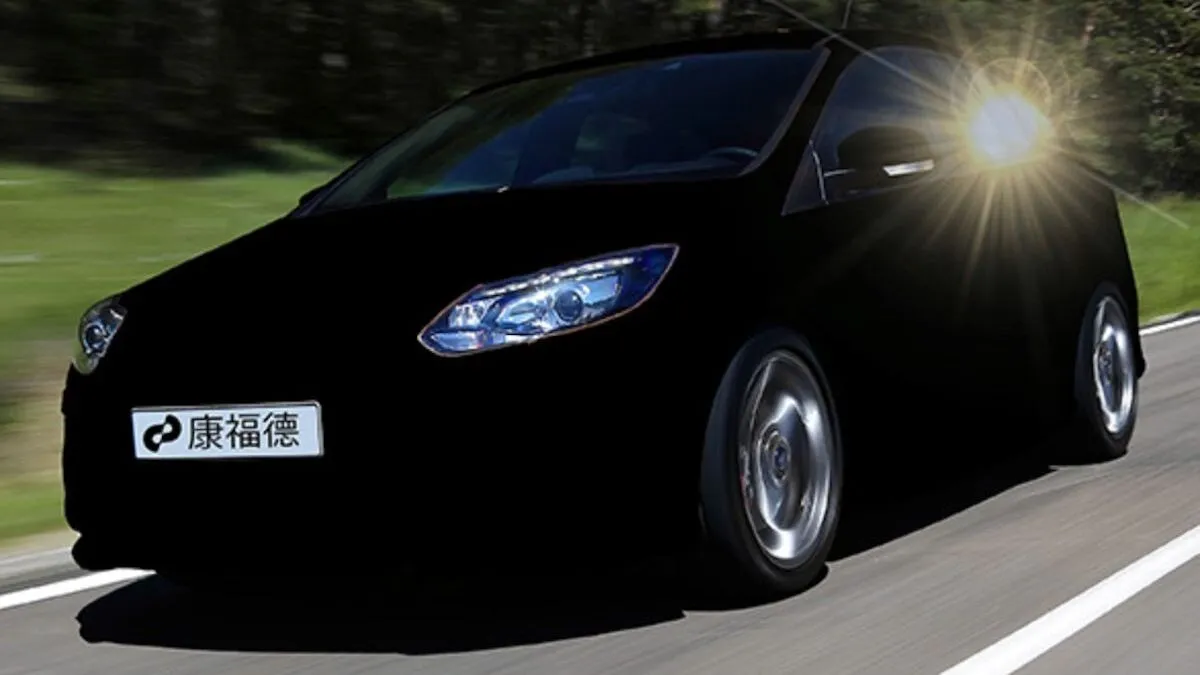
Chinese scientists have found a way to create an ultra-black car paint. This new coating combines advanced light-absorbing nanotechnology with standard water-based carbon pigment spray. The result is a black so deep it creates a "black-hole" effect, reflecting almost no light.
This research comes as black cars are becoming very popular in China. Black has grown to nearly a quarter of the car market, meaning about 7.5 million new black cars will be sold there this year. This huge demand makes black paints a big business. Black cars are seen as a symbol of luxury and status.
A New Kind of Ultra-Black Paint
For the past decade, ultra-black nano-tech coatings have been made using microscopic "forests" of vertical carbon tubes. In 2019, a BMW concept X6 car used this technique and was called "the blackest car in the world." However, this nano-black was hard to apply and too fragile for car exteriors.
We're a new kind of news feed.
Regular news is designed to drain you. We're a non-profit built to restore you. Every story we publish is scored for impact, progress, and hope.
Start Your News DetoxThe new Chinese hybrid coating solves these problems. It mixes conventional carbon-black pigment with the nano-tech. This allows it to be sprayed onto cars like normal paint without losing its ultra-black effect.
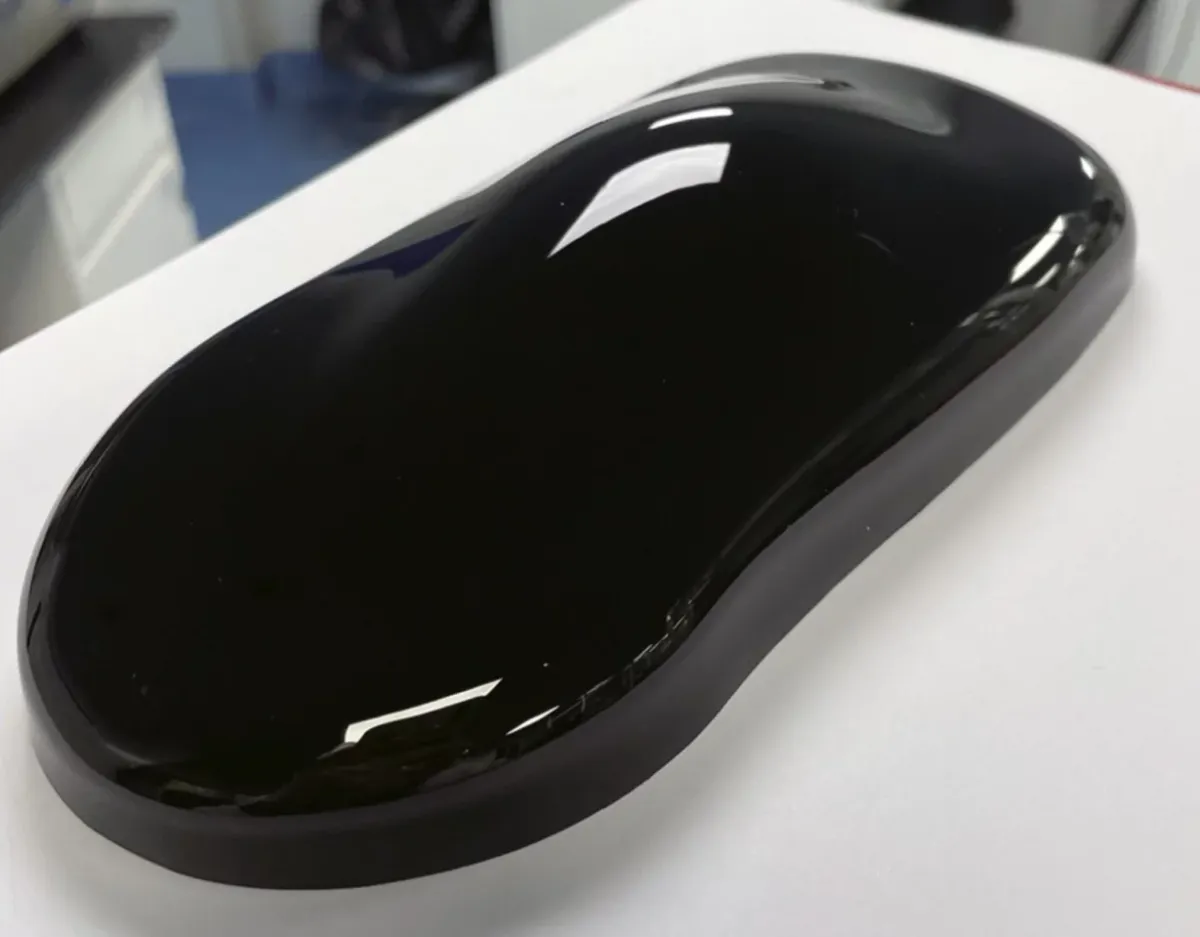
A car model sprayed with this new coating was recently shown. It absorbs an impressive 99.90% of visible light. The coating also proved very stable in water and humidity tests, which is good news for the auto industry.
Zhiwei Liu, a research chemist with Nipsea Group, explained that deep black finishes are a premium choice for luxury cars in China. He noted that car companies are looking for "mass-processable ultra-black coating solutions." Researchers might also use gradient refractive index technology (GRIT) in the future. This technique creates layers that reduce reflection and absorb even more light.
How Ultra-Black Works
Vertically Aligned Carbon Nanotube (VACNT) arrays, or "CNT forests," are high-tech coatings made on a tiny scale. A nanometer is one billionth of a meter. These coatings have billions of carbon nanotubes packed tightly and standing straight up from the surface. This structure traps 98% to 99.9% of light across different spectrums, making them some of the blackest materials known.
Scientists have pursued the idea of such extreme blackness for decades. In 2014, UK-based Surrey NanoSystems developed Vantablack, a coating made from VACNTs. It made objects look almost two-dimensional. Artist Anish Kapoor even got exclusive rights to use it in art.

When BMW showed its Vantablack-coated X6, many wondered if its delicate and expensive nature would prevent it from being used widely. The new Chinese hybrid material seems to have overcome these issues. It allows the two carbon materials to interact, arranging pigment particles along the nanotubes. This creates a rough surface of microscopic peaks and valleys that trap light. Combined with carbon black's light-absorbing properties, the coating absorbs over 99% of visible light.
The Shanghai researchers say their coating can be applied using standard car spray-coating methods. It also passed tests for humidity, water resistance, and adhesion, making it more practical than previous versions.
The research was published in the journal Matter & Light. Measuring such extreme blackness can be challenging. Some ultra-black coatings are now so dark they absorb 99.99% of light.
Deep Dive & References
- Study on Ultra-Black Coating - Matter & Light