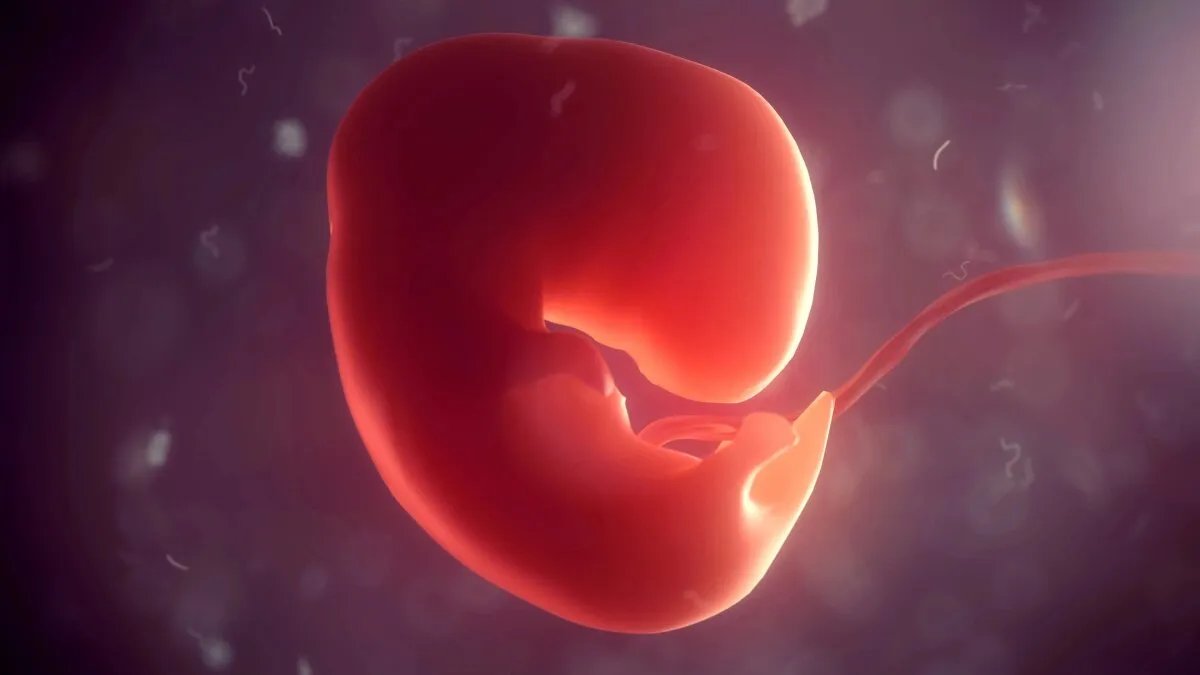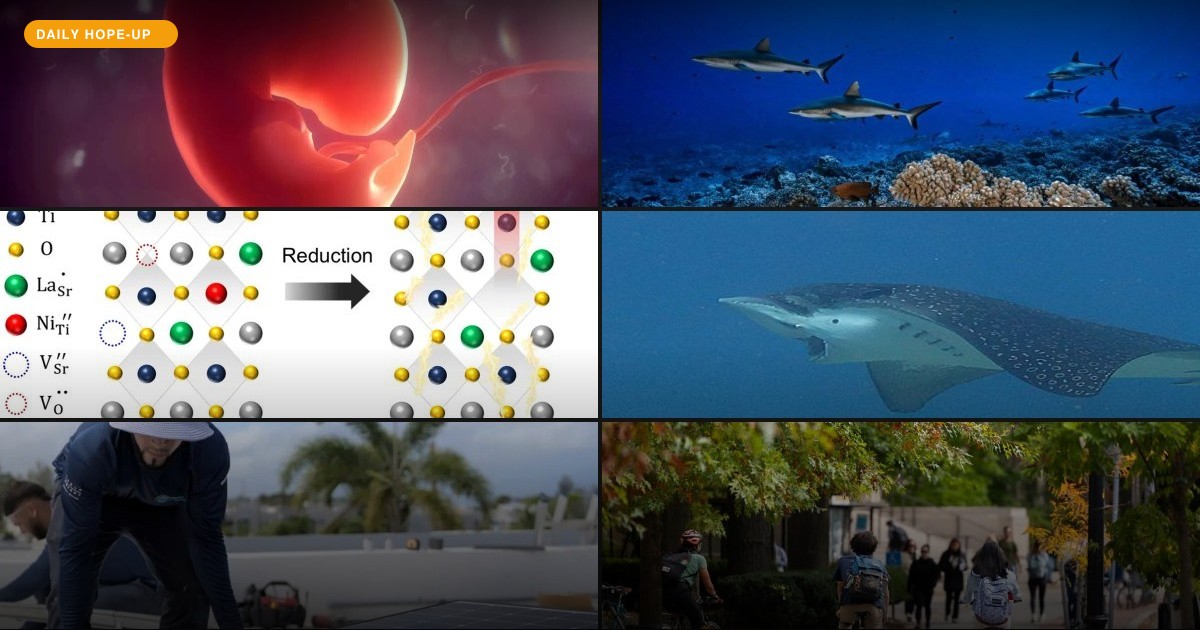
A few years ago, the idea of cultivating human organs in a lab felt like pure science fiction. This week, Chinese researchers pushed that boundary, creating mini-organs from a lab-made embryo model, a significant leap toward a future where transplants might not rely on donors. It's a reminder that sometimes the biggest changes start in the smallest spaces.
The Planet's Protectors Got Practical
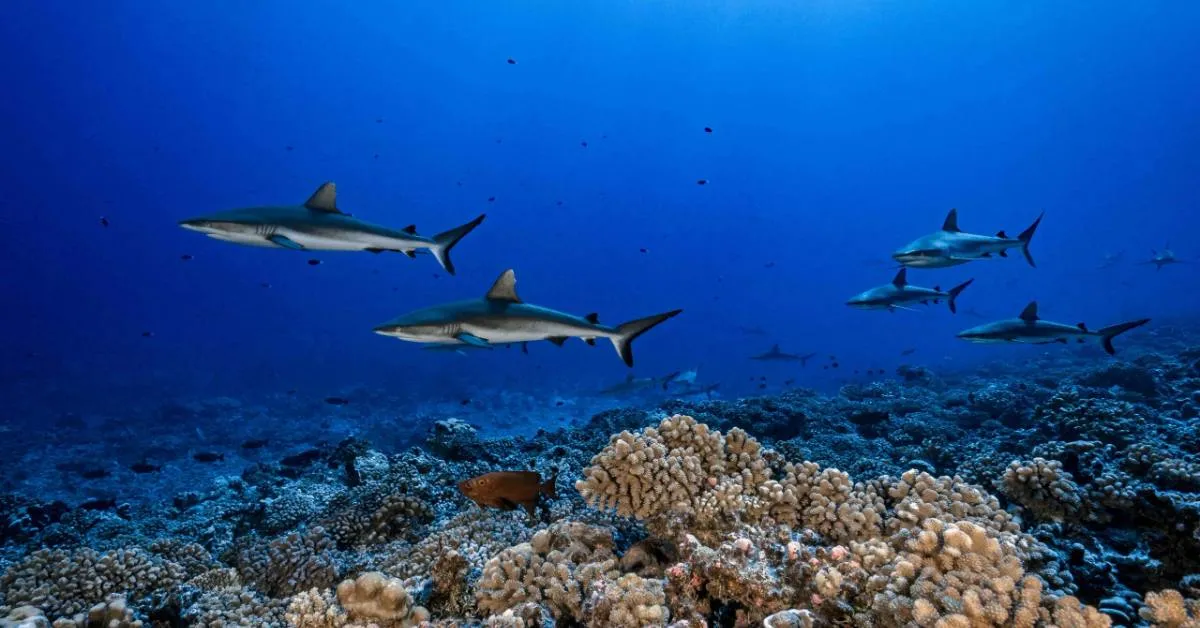
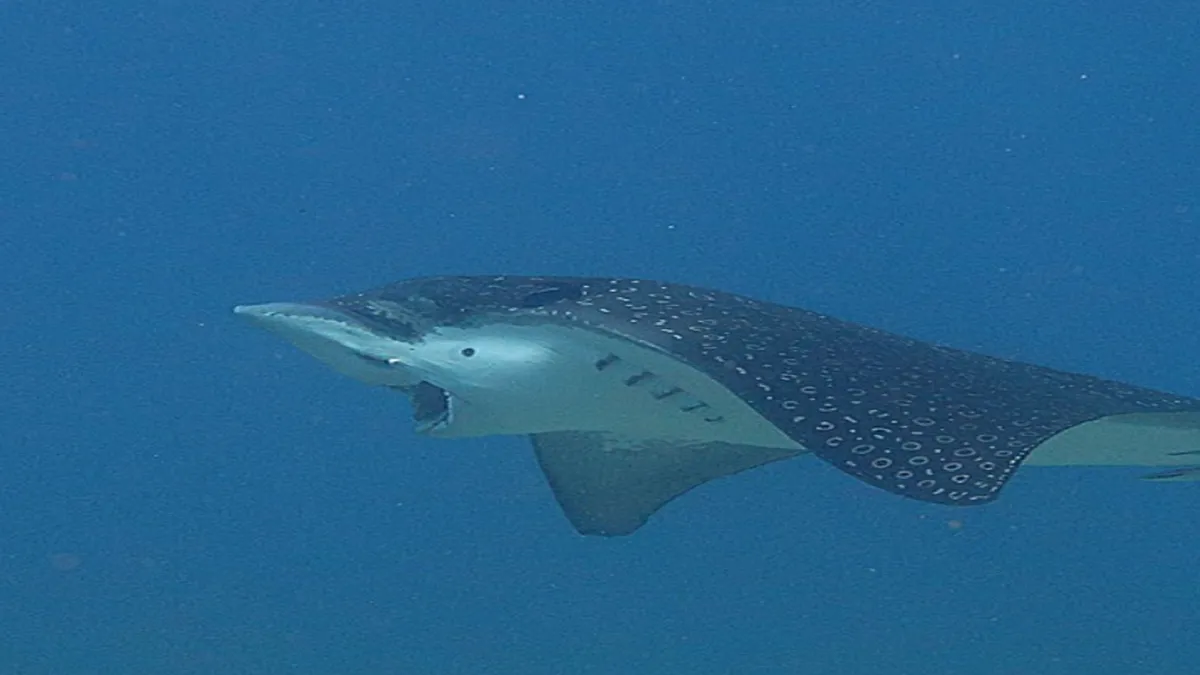
While science was busy going microscopic, the environmental movement was thinking big – specifically, about oceans and land. In French Polynesia, the government declared it would ban seabed mining in 30% of its waters, drawing a line in the sand (or, more accurately, in the deep sea) against extractive industries. This isn't just a symbolic gesture; it's a concrete move to protect vital ecosystems.
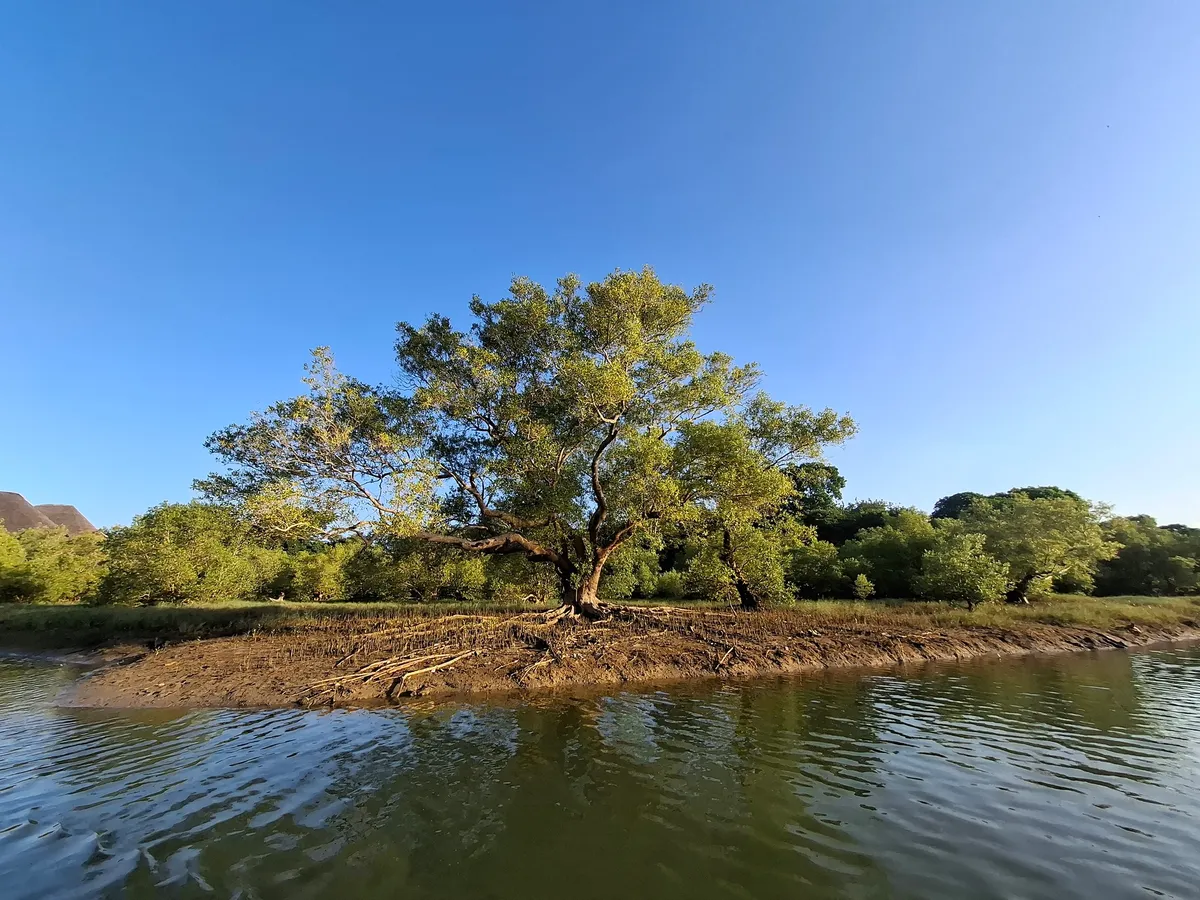
Meanwhile, on the other side of the world, Kenya hosted the annual Our Ocean Conference, reeling in a whopping $6.4 billion in pledges. These aren't abstract promises for some time; they are commitments for immediate action. It seems the global conversation about environmental protection is finally getting down to brass tacks, moving from general concern to specific, actionable plans. If you've been feeling overwhelmed by the scale of environmental challenges, this week's news offers a blueprint for how tangible progress actually gets made.
We're a new kind of news feed.
Regular news is designed to drain you. We're a non-profit built to restore you. Every story we publish is scored for impact, progress, and hope.
Start Your News Detox"The government of French Polynesia announced it is expanding the extent of ocean where extractive industries like seabed mining and industrial fishing will not be allowed. With this move, 30% of French Polynesia’s waters will now be fully protected." — Read the full story
Tiny Tech, Big Impact
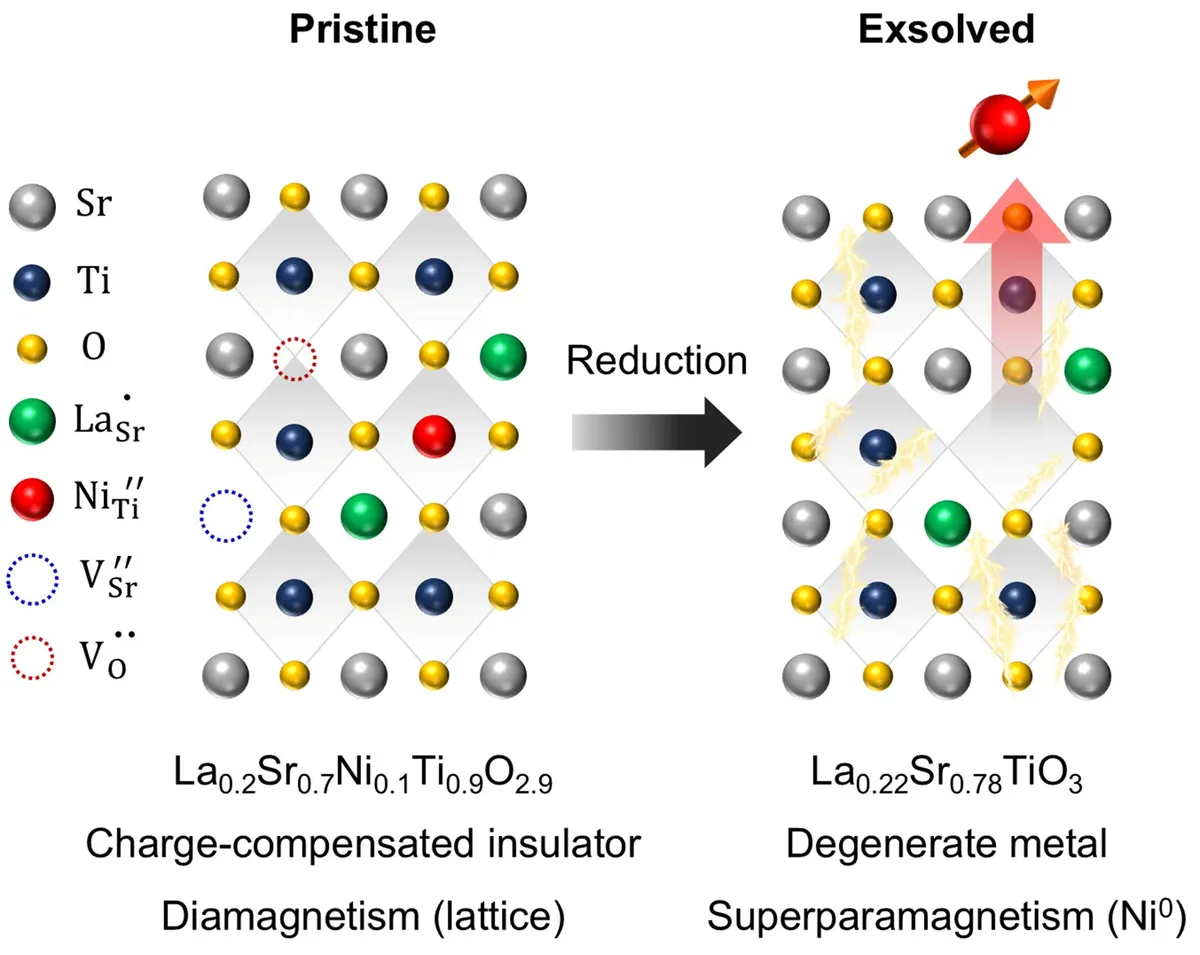
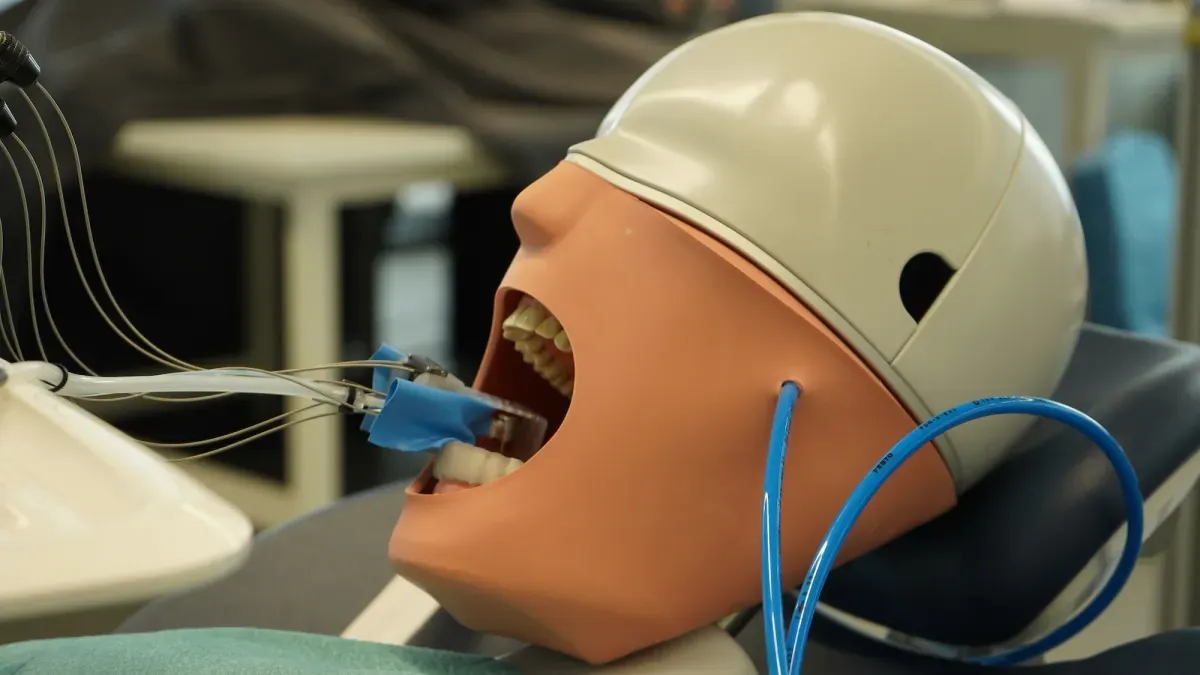
This week also saw a flurry of innovations that prove good things come in small packages – or at least, are controlled by them. From Professor Hyeon Han and Professor Donghwa Lee's team in South Korea discovering a new way to flip a material's electrical and magnetic switches using nanoparticles, to a robot the size of a wine cork that can prep your tooth for a crown, the theme was precision at scale.
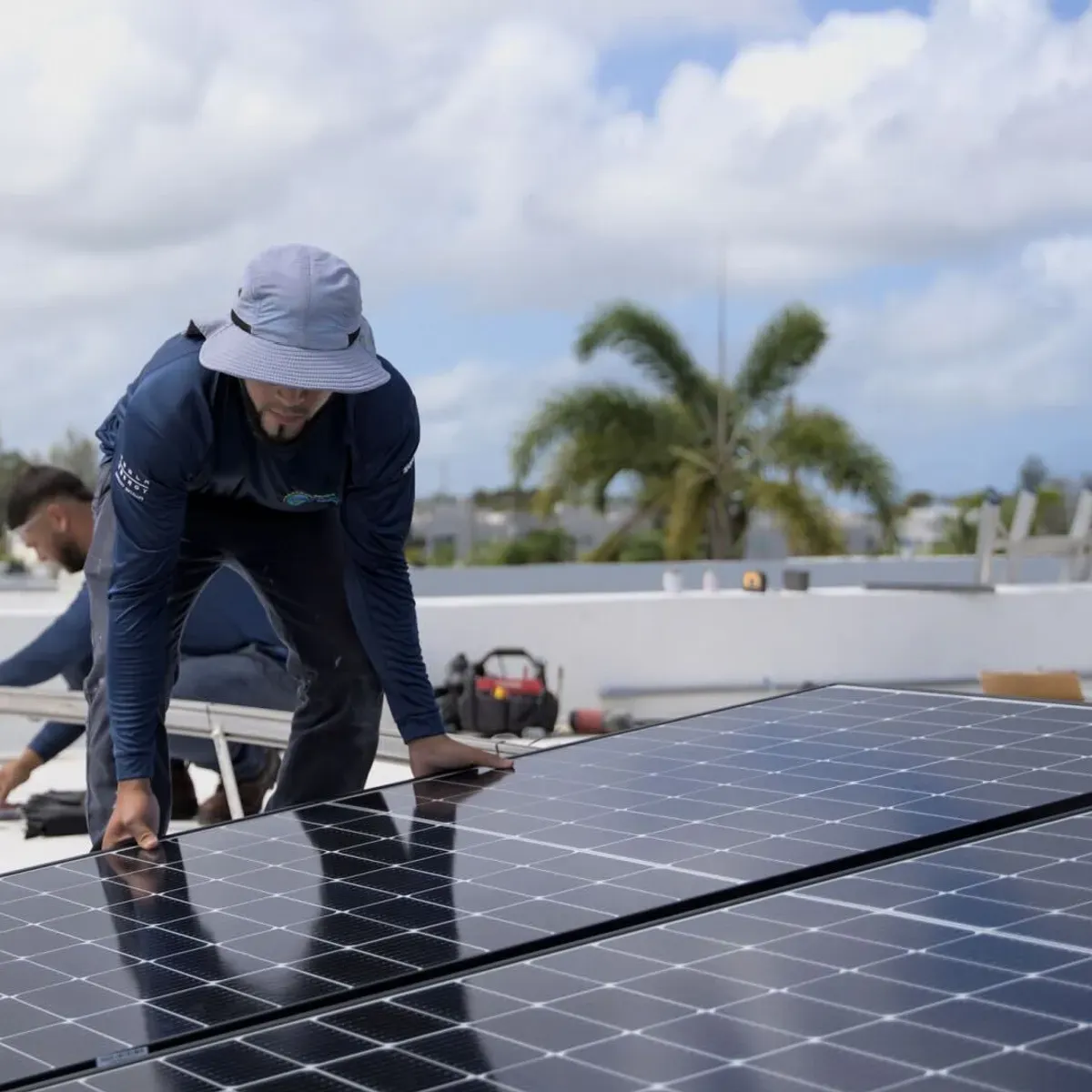
Even your smart thermostat is getting in on the act. Companies like Sunrun and Tesla are suggesting that residential batteries and smart thermostats could ease the grid crunch caused by data centers. It's a quiet revolution where distributed energy capacity, managed by the devices already in our homes, is becoming a significant player in the larger energy landscape. If you've ever felt like your smart home gadgets were just… there, this week proved they're secretly helping power the future.
Hope stat: $6.4 billion — the amount pledged this week to protect our oceans and coastlines.
Watch this space: Keep an eye on how these pledges translate into on-the-ground (or in-the-water) action in the coming months.