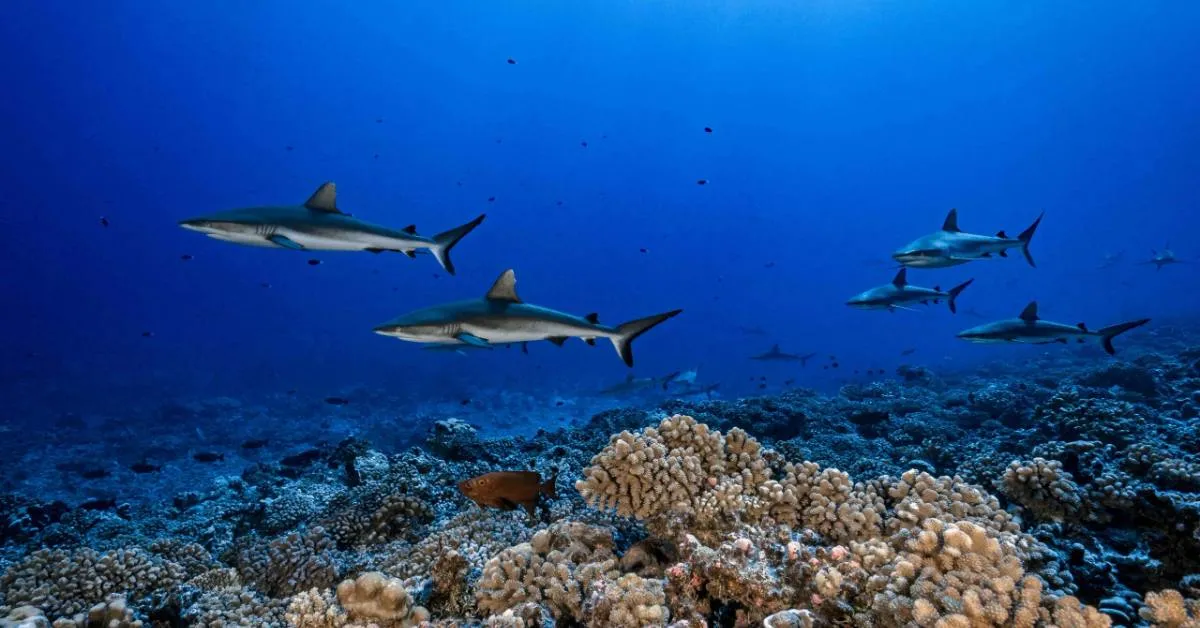
Imagine having an entire ocean's worth of pristine waters, then deciding to officially lock up a third of it for good. That's precisely what French Polynesia just did, announcing that a whopping 30% of its sprawling maritime territory will now be fully protected from industrial fishing and the delightfully dystopian concept of seabed mining.
Because apparently, some people still think digging up the ocean floor for minerals is a good idea. French Polynesia, however, has been ahead of the curve, banning seabed mining outright since 2022. This latest move, announced by President Moetai Brotherson, expands the fully protected zones to an impressive 1.4 million square kilometers (that's 540,500 square miles, for those keeping score). Let that satisfying number sink in.
Protecting Paradise, Responsibly
This isn't some fly-by-night decision. It builds on the Tainui Atea marine protected area, established last year, which already gave French Polynesia exclusive rights to manage nearly 5 million square kilometers of ocean. Think of it as their own personal, very large, aquatic backyard.
We're a new kind of news feed.
Regular news is designed to drain you. We're a non-profit built to restore you. Every story we publish is scored for impact, progress, and hope.
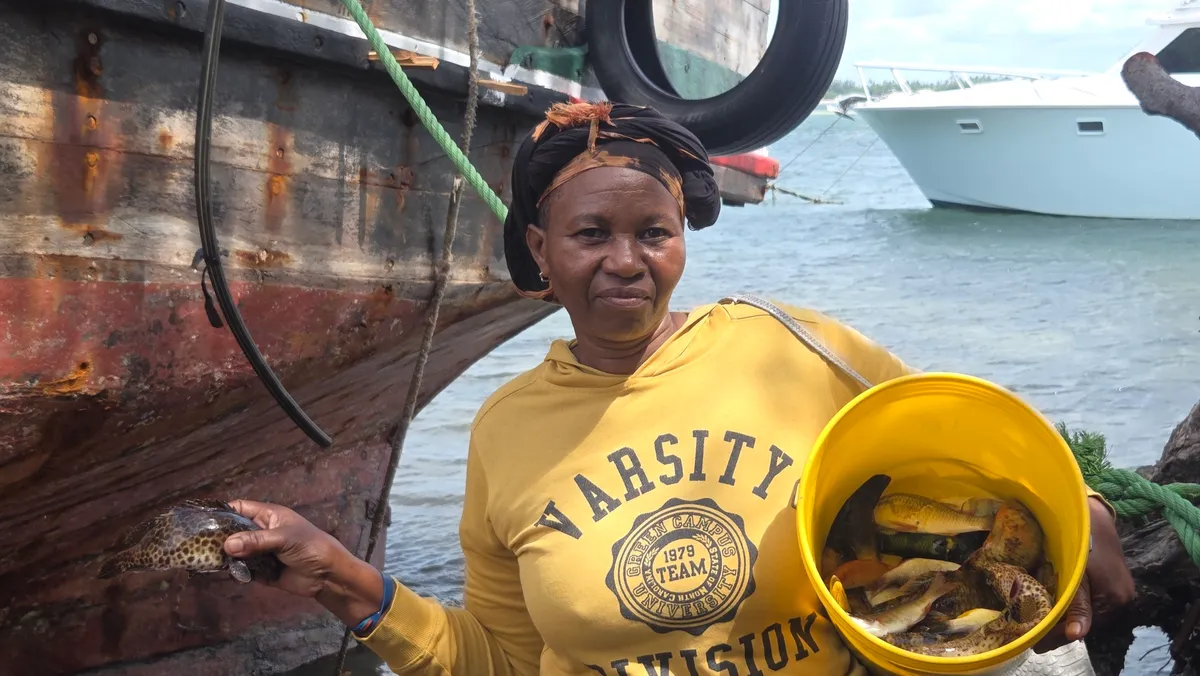
Start Your News DetoxThe new protections, which kick in by June 7, 2026, will safeguard an additional 520,000 square kilometers around the Austral, Marquesas, and Western Society islands. So, what can happen in these areas? Well, local communities can still engage in artisanal fishing using single pole-and-line techniques from smaller boats, ensuring livelihoods are protected while industrial trawlers are shown the door. It's a balance, and it's working.
And it's all thanks to over a decade of effort and agreement from local communities and mayors. Because sometimes, the best environmental policies come from the ground — or rather, the water — up. France even helps enforce these rules with satellite tracking, because apparently, the ocean needs its own watchful eye in the sky now.
A Sanctuary for the Wild and Wonderful
Who benefits from all this? Pretty much everyone who calls the South Pacific home. We're talking 20 species of sharks, including the critically endangered scalloped hammerhead and oceanic whitetip. Twenty-two bird species, like the endangered Polynesian storm-petrel, also get safer breeding grounds.
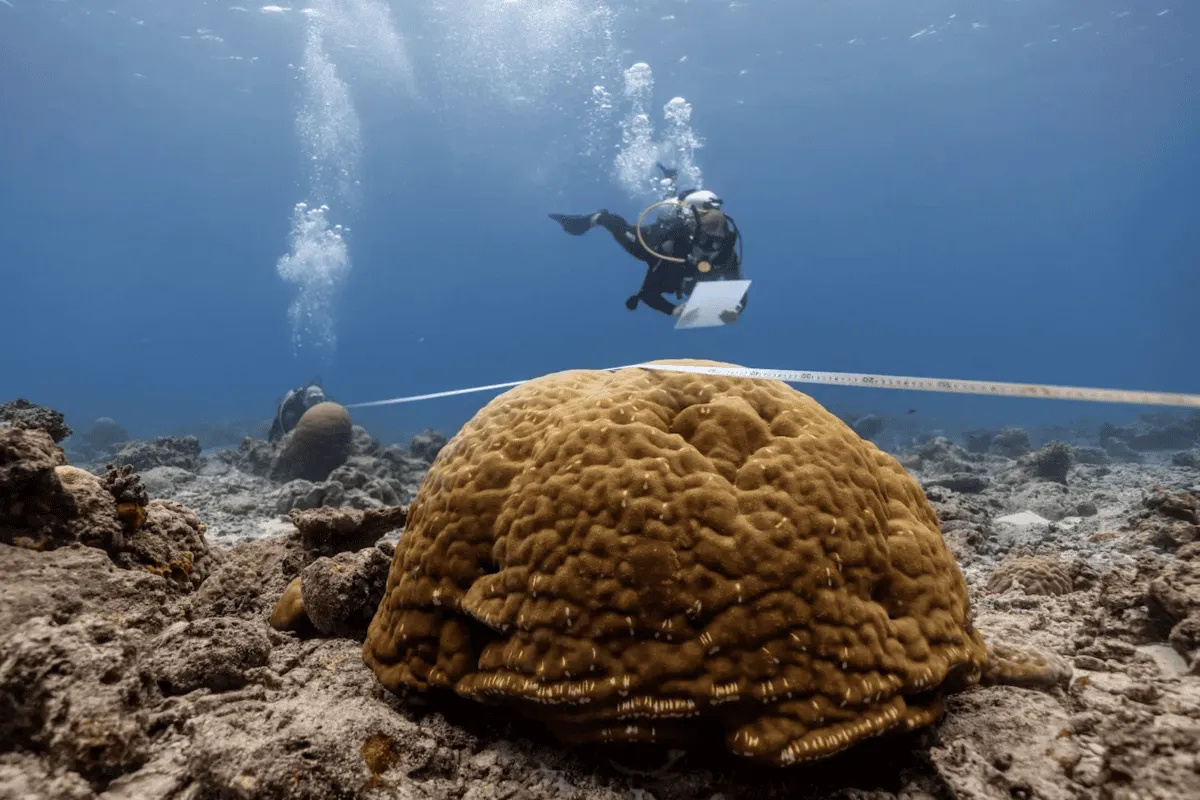
Then there are the swordfish, bigeye tuna, and opah that frequent these waters. Plus, 455 mollusk species, 60 open-ocean fish species, three sea turtle species, and a solid 10 marine mammal species. It's basically a five-star resort for biodiversity.
President Brotherson summed it up nicely, calling it their "mission as Oceanians." He's hoping this bold move inspires other nations — especially the bigger ones — to rethink their relationship with the ocean. Which, if you think about it, is both impressive and slightly terrifying that it needs to be said.