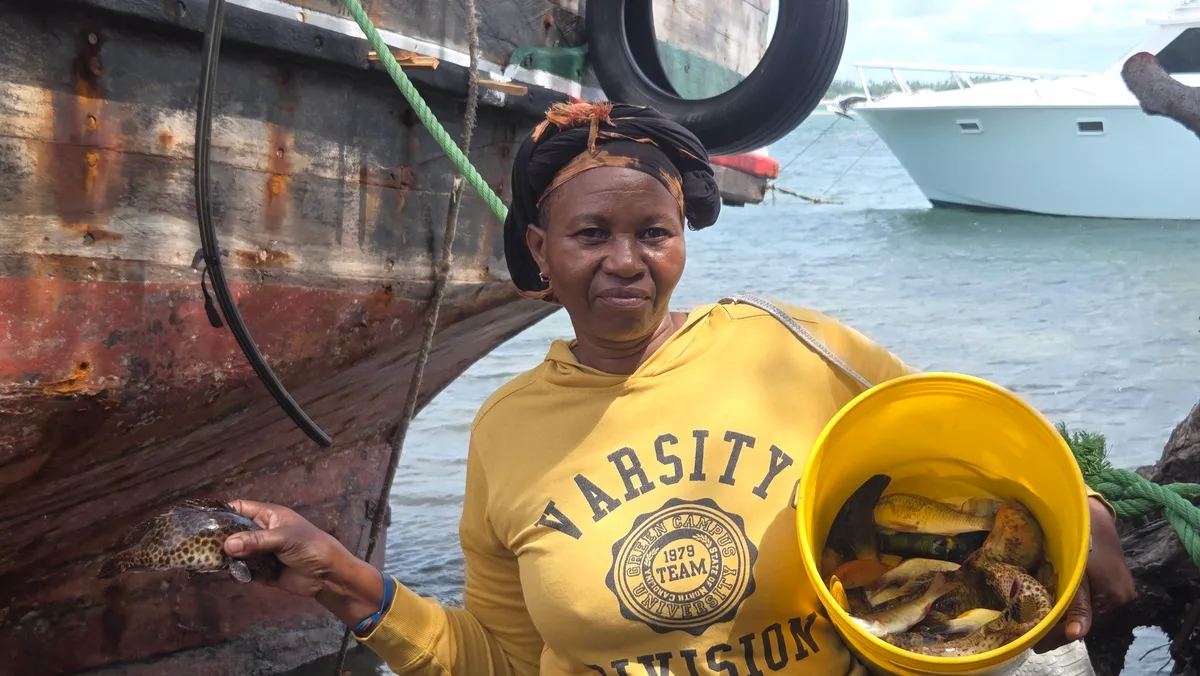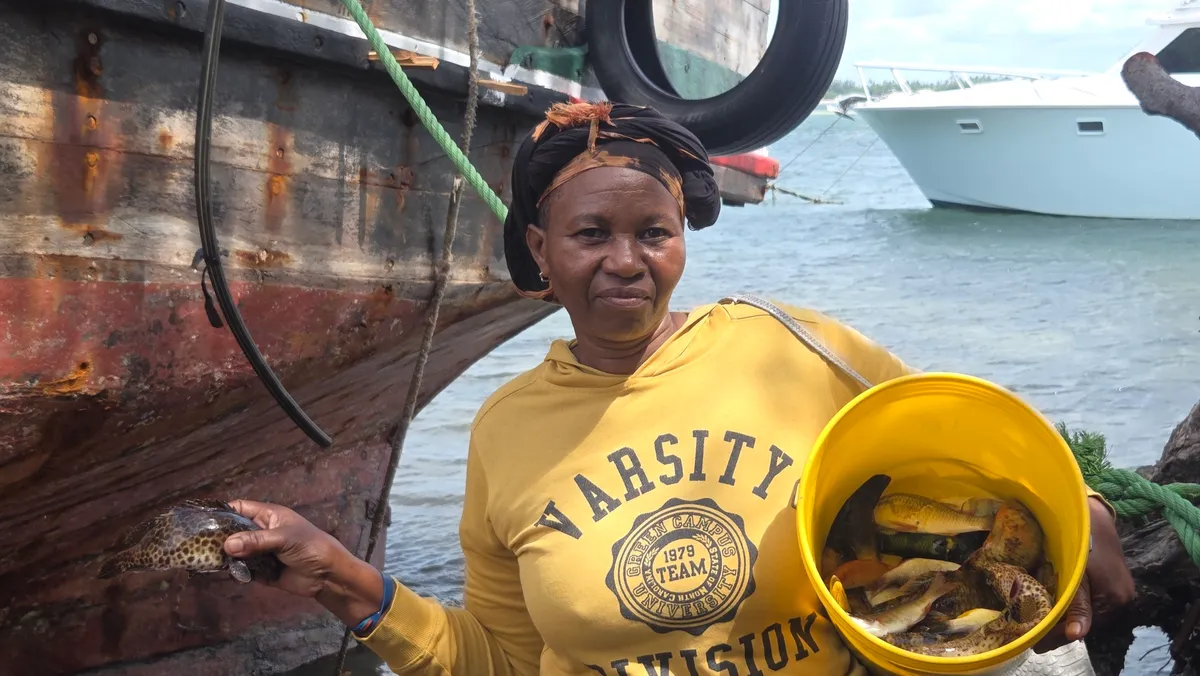
Alice Kazungu, a fishmonger in Kenya's Mida Creek, spends her days waiting. Waiting for boats to return, waiting for the nets to be full, waiting for the good old days when fish were, well, plentiful. Lately, the waiting is mostly for disappointment. Many fishers come back with just a few kilos, or worse, nothing at all.
Kazungu, who also happens to be the vice chair of the new Mida Beach Management Unit (BMU) – a group trying to get local fisheries back on track – remembers a time when the ocean was generous. Now, those meager catches make supporting her family a Herculean task. Selling palm wine helps, but it’s hardly a replacement for a livelihood built on the sea.

The Unfolding Problem
This isn't just Kazungu's problem; it's a creek-wide crisis. Mida Creek, a stunning maze of mangroves, mudflats, and tidal channels, is feeling the full force of a changing ocean. Warmer waters are pushing fish further out, or deeper down, making them harder to find. Overfishing hasn't helped, either. It’s a classic squeeze: more people fishing, fewer fish to catch, and a climate that keeps turning up the heat.
We're a new kind of news feed.
Regular news is designed to drain you. We're a non-profit built to restore you. Every story we publish is scored for impact, progress, and hope.
Start Your News DetoxBut here's where the story takes a turn from 'woe is us' to 'what are we going to do about it?' The BMU, along with local conservation groups, is betting on mangroves. These aren't just pretty trees lining the coast; they're vital nurseries for fish, natural coastal defenses, and carbon sinks all rolled into one. The plan involves replanting and protecting these crucial ecosystems, giving the fish a fighting chance to recover.
It’s a long game, of course. You don't just plant a mangrove and suddenly nets are bursting. But for Kazungu and her community, it’s a tangible step, a way to reclaim some control in a world that feels increasingly unpredictable. Because when your livelihood depends on the whims of the ocean, hope, it turns out, is a pretty powerful fishing tool.