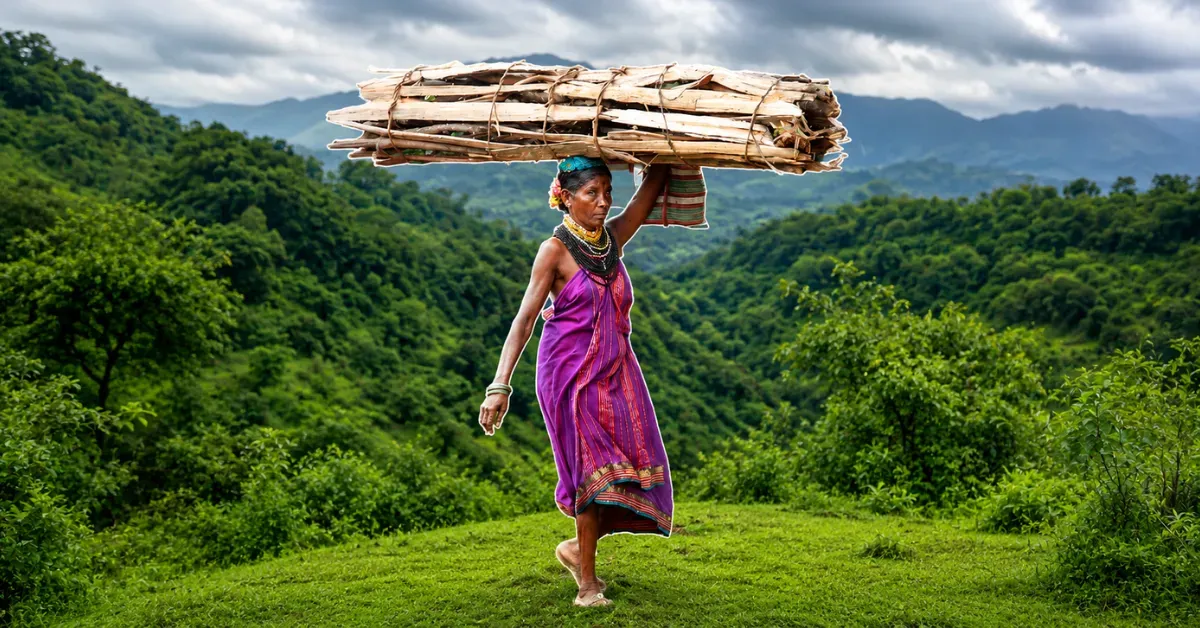
Before a medicinal tree even thinks about blooming, the Indigenous Mahadev Koli tribe in Maharashtra already knows. They notice when a stream gets a little too thin after a weak monsoon. They can often sense the forest's seasonal shifts long before any satellite data picks it up. Because, apparently, the best climate sensors sometimes walk among us.
Living deep in the Western Ghats, a place so biodiverse it practically hums, this community has been learning from the land for generations. We're talking centuries of understanding changing rains, plants that signal new seasons, and precisely how a forest reacts when it's stressed. It's less a skill, more a way of life, woven into their farming, foraging, and general existence.
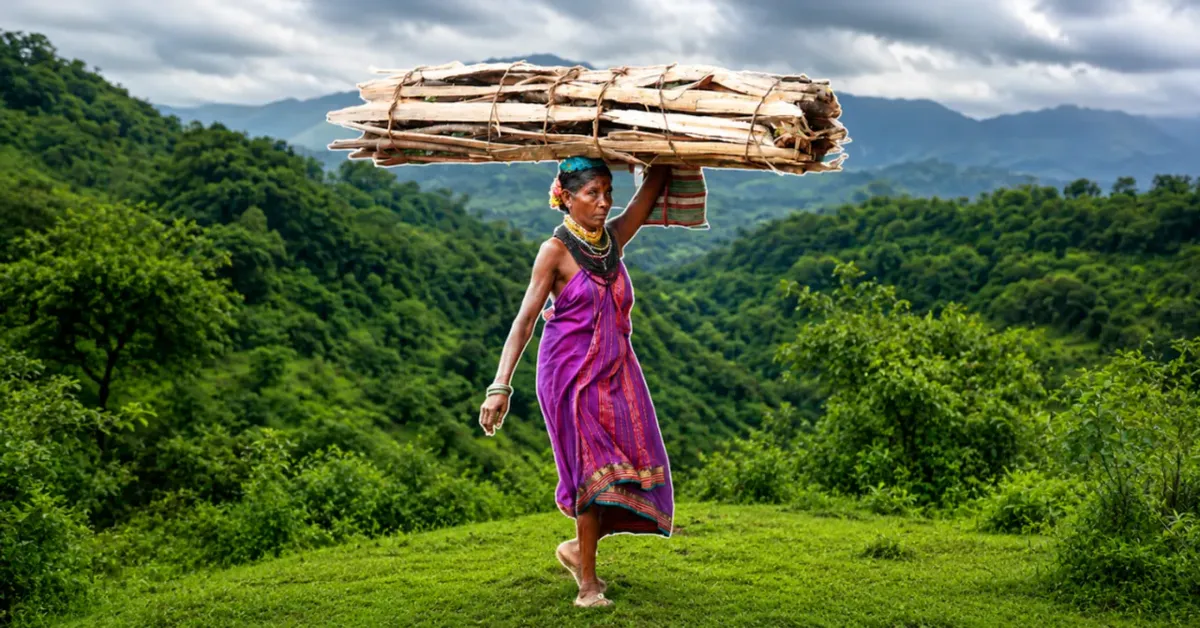
Most people outside their forests have never heard of the Mahadev Kolis or their astonishing depth of knowledge. A 2025 study from the WOTR–Watershed Organisation Trust's Centre for Resilience Studies (W-CReS) set out to document some of it. The takeaway? This community holds a masterclass in medicinal plants, biodiversity, and environmental change.
We're a new kind of news feed.
Regular news is designed to drain you. We're a non-profit built to restore you. Every story we publish is scored for impact, progress, and hope.
Start Your News DetoxAs the world scrambles for new climate resilience strategies, the Mahadev Kolis offer a blunt reminder: invaluable environmental wisdom often already exists within the communities who've been observing and adapting to nature for millennia. Maybe we should, you know, ask them.
The Forest as a Doctor's Office
Historically, the Mahadev Koli community hunted and gathered. Today, they mostly farm, growing rice, millet, and wheat, alongside raising livestock. But this is hardly a typical agricultural relationship.
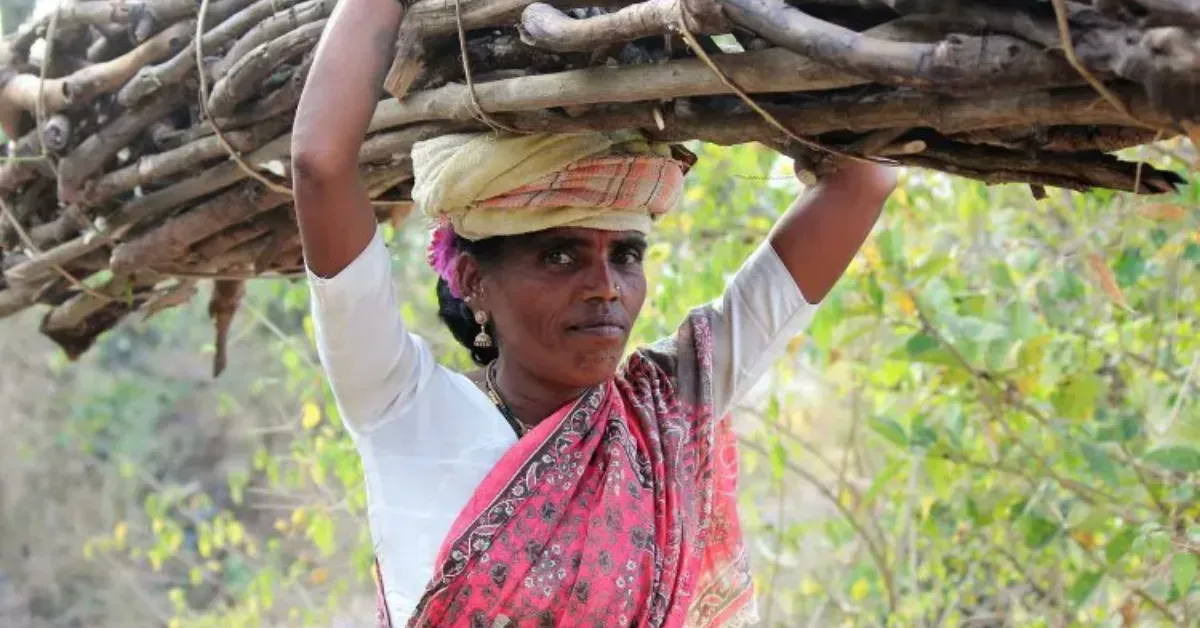
The W-CReS study found the community uses 51 native tree species to treat everything from fevers and coughs to snake bites and scorpion stings. We're talking bark, leaves, fruits — the whole botanical pharmacy.
This isn't just folk wisdom; it's incredibly precise. Elders know exactly which species thrive in specific spots, when their medicinal properties are strongest, and how seasonal shifts affect remedies. Researchers call this Traditional Ecological Knowledge (TEK), which is essentially practical, local science rooted in generations of lived experience. Think of it as hyper-local, peer-reviewed data.
The Mahadev Kolis protect their forests because their health, their livelihoods, and their entire future quite literally depend on its well-being. It's a pretty compelling reason to be good stewards.
Reading the Forest Like a Daily Forecast
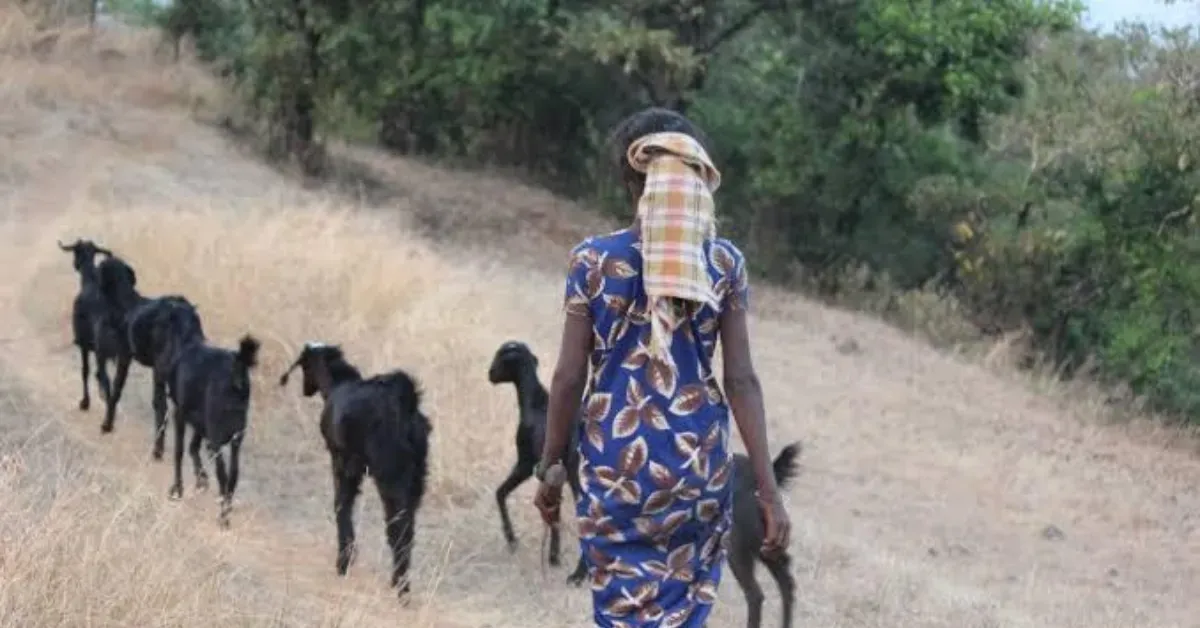
Ask a Mahadev Koli elder about climate change, and you probably won't get a lecture on rainfall statistics. Instead, they might mention a tree that flowered late. Or a bird that showed up a little too early. Or a specific medicinal plant that's suddenly harder to find. These aren't anecdotes; they're data points.
The community uses seasonal calendars and Indigenous classifications of flora and fauna to understand environmental changes. While satellites give us the big picture, communities like the Mahadev Kolis offer the ground-level, daily read of an ecosystem. They're the hyper-local weather app you didn't know you needed.
They spot subtle shifts that often fly right under the radar of standard monitoring systems. They know which streams are losing water, which plants are declining, and exactly how the changing weather is messing with their crops and forests. It's a level of granularity that even the most advanced tech struggles to match.
A Rapper's Climate Message
Many Mahadev Kolis are now becoming vocal advocates for nature. One such voice is Madhura Ghane, better known as Mahi G. She's an engineer-turned-rapper in her early twenties from the community, and she's using her music to drop beats about forests, tribal rights, and climate justice. Her audience extends far beyond her village in Maharashtra.
Her first rap, "Jungle Cha Raja," celebrated the deep connection between Indigenous communities and forests, while also questioning the threats they both face. Now, her songs tackle everything from heatwaves to environmental destruction and social equality, turning cold climate statistics into relatable, powerful stories. Because if anyone can make you care about a late-flowering tree, it's a rapper.
The Hidden Lesson
The W-CReS study strongly suggests that Traditional Ecological Knowledge (TEK) needs a much bigger seat at the table in climate adaptation and conservation planning. The Mahadev Kolis teach us that conservation starts with a relationship, not just a list of rules.
The most important lesson here isn't about what they know, but how they know it. Conservation, for them, is about building a deep relationship with nature long before it's in crisis. For generations, they've only taken what they need, understood the rhythms of the seasons, and recognized that the health of people and nature are inextricably linked. Which, if you think about it, is both incredibly simple and profoundly revolutionary.