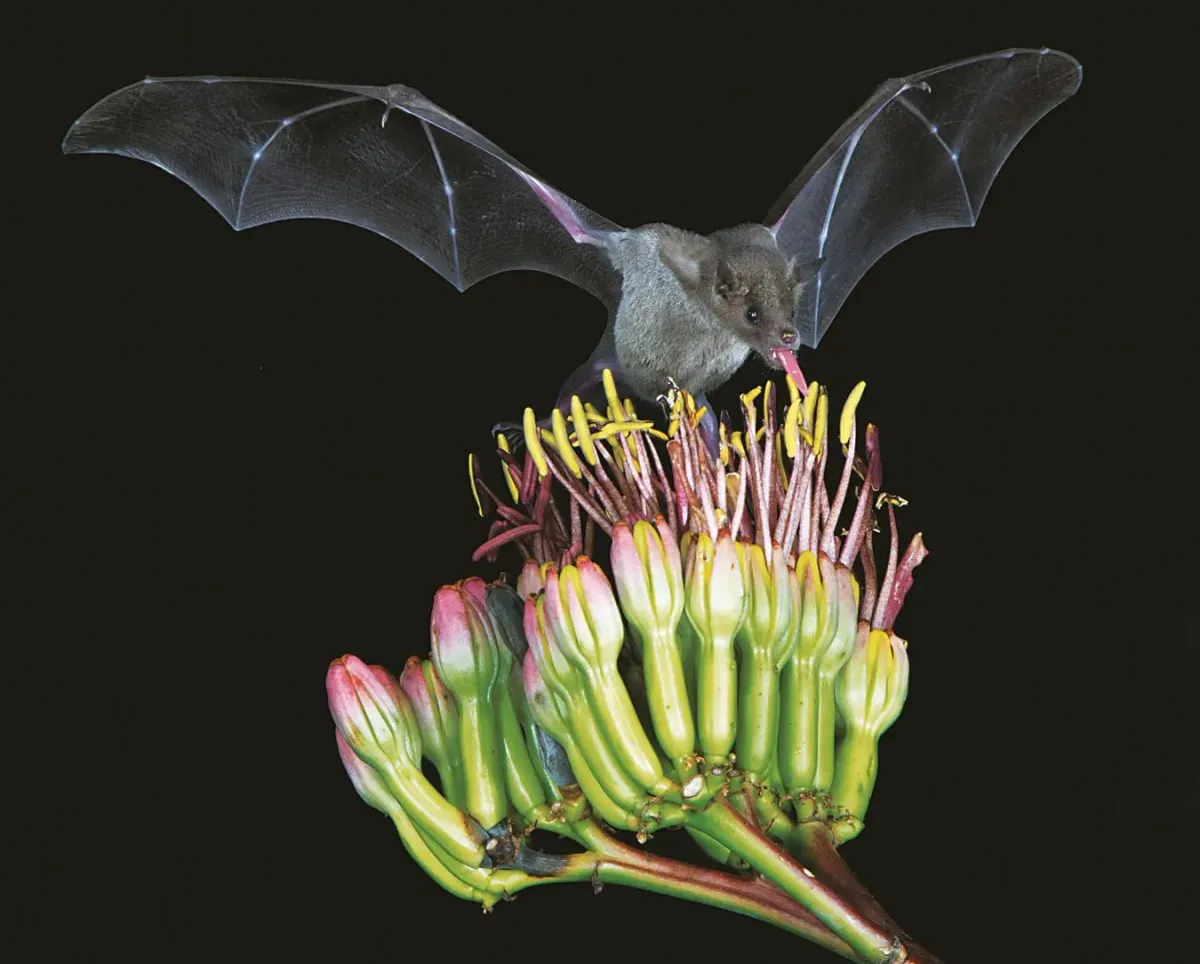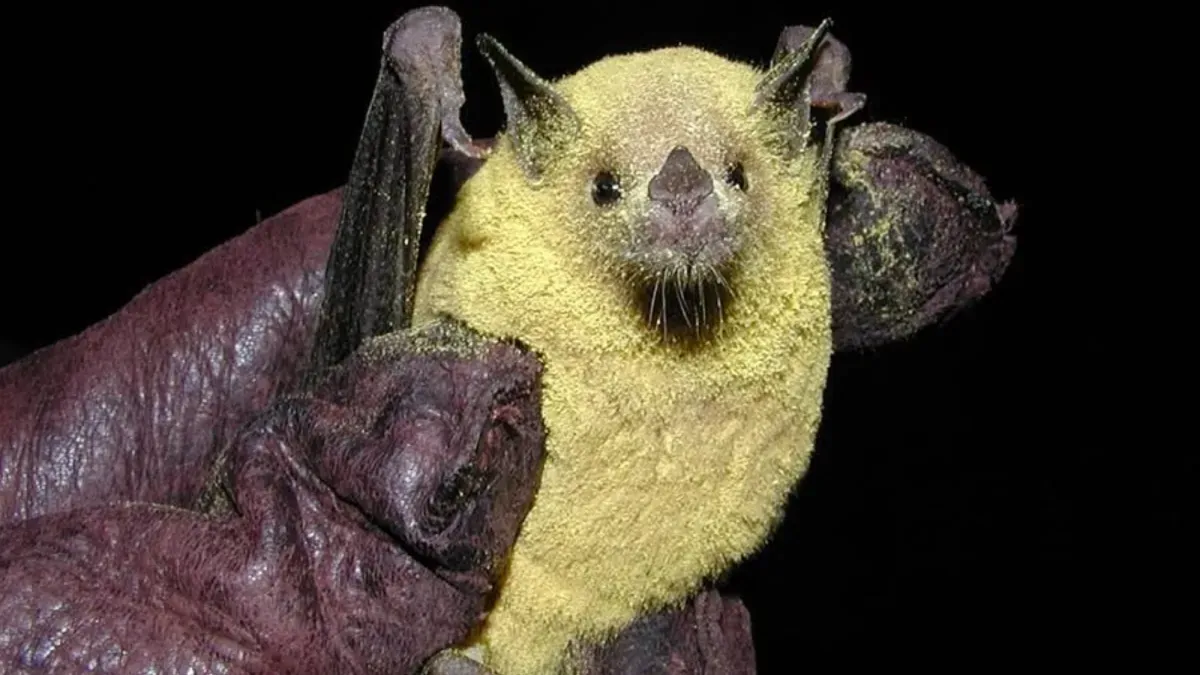
Look closely at this bat. That glow isn't a rave outfit or a bad art project; it's a lesser long-nosed bat absolutely dusted in pollen. And it's doing the vital work of keeping your Friday night margaritas flowing.
Turns out, these medium-sized fliers are the unsung heroes of the desert, and specifically, the agave fields. Each spring, the female bats embark on an epic road trip from south-central Mexico all the way to the southwestern US, following what scientists charmingly call "nectar corridors" of cacti and agave. Think of it as a very specific, very important flight path.
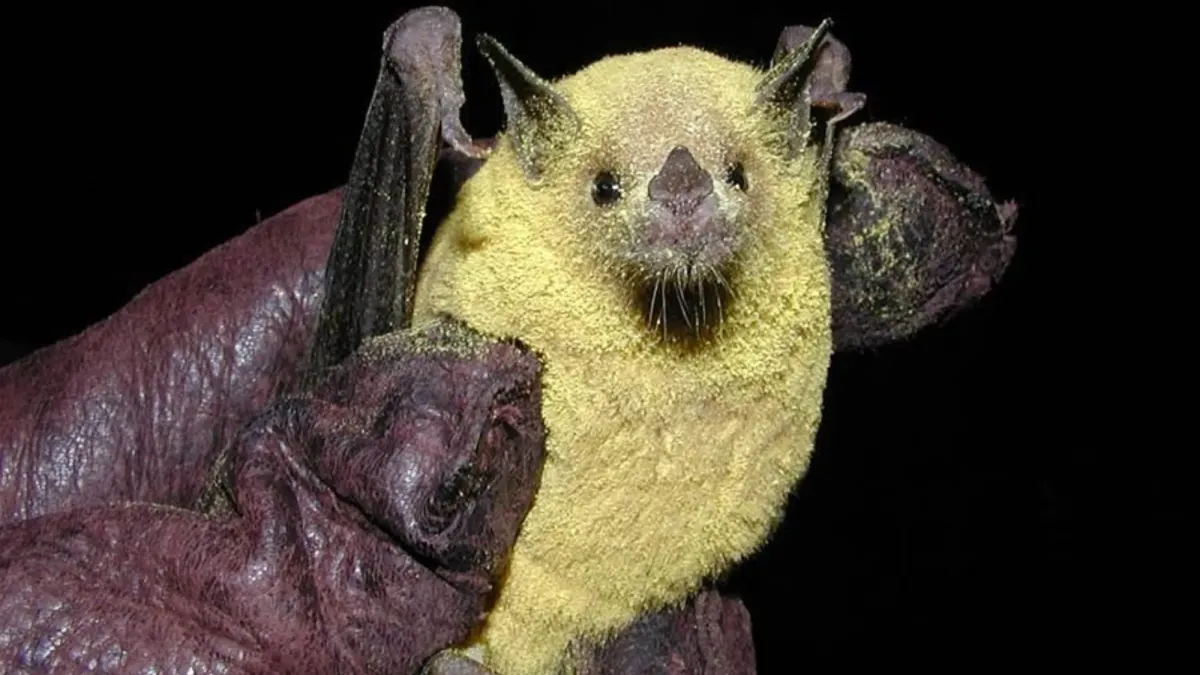
They're basically flying, fuzzy pollination machines. Their brush-tipped tongues and fine body hair are perfectly designed to pick up pollen, turning them into tiny, winged couriers. The US Department of the Interior even snapped a photo of one of these pollen-covered bats mid-visit to a blooming agave, proving they're not just cute, they're effective.
We're a new kind of news feed.
Regular news is designed to drain you. We're a non-profit built to restore you. Every story we publish is scored for impact, progress, and hope.
Start Your News DetoxThe Original Tequila Tasters
As these bats flit from flower to flower, they're not just helping desert ecosystems thrive; they're directly contributing to our collective happiness. Because, yes, they are the primary pollinators for agave plants. Which means, without them, no tequila. No mezcal. Just... less fun. They even get the nickname "tequila bats," which, let's be honest, is a pretty great legacy.
They also play a crucial role in spreading cactus seeds by munching on fruits and nectar, ensuring the desert stays vibrant and diverse. So, next time you're enjoying a prickly pear, you might just have a bat to thank.
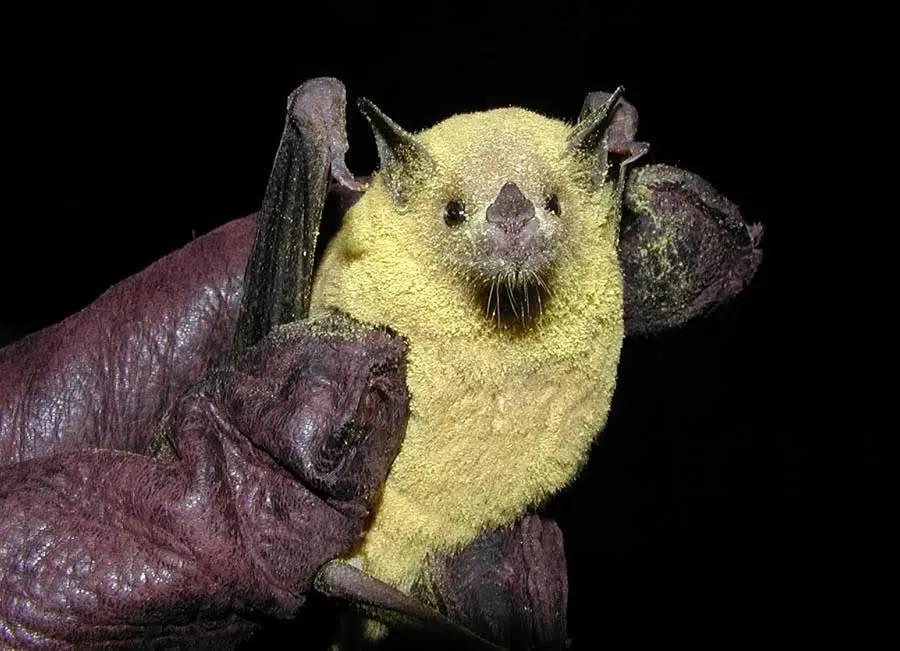
Here's the truly good news: while many pollinator species are struggling, the lesser long-nosed bat is a bonafide conservation success story. After 30 years of dedicated effort, they were the very first bat species to be removed from the Endangered Species Act in 2018. Let that satisfying number sink in. It's a rare win in the often-gloomy world of conservation.
They, along with their buzzing and fluttering counterparts—bees, butterflies, beetles, and moths—are celebrated during National Pollinator Week. And for good reason. Pollinators face a barrage of threats, from vanishing habitats to pesticides and diseases. The number of managed honey bee colonies in the US, for instance, has plummeted from five million in the 1940s to a mere 2.68 million today. Because apparently that's where we are now.
But there's hope. More and more home gardeners and cities are planting pollinator gardens with native plants, creating vital pit stops and homes for these tiny ecosystem engineers. You can even turn your backyard into a bat-friendly hangout, offering a much-needed rest stop for these crucial insect eaters and margarita makers. Because saving the world, and happy hour, often starts small.