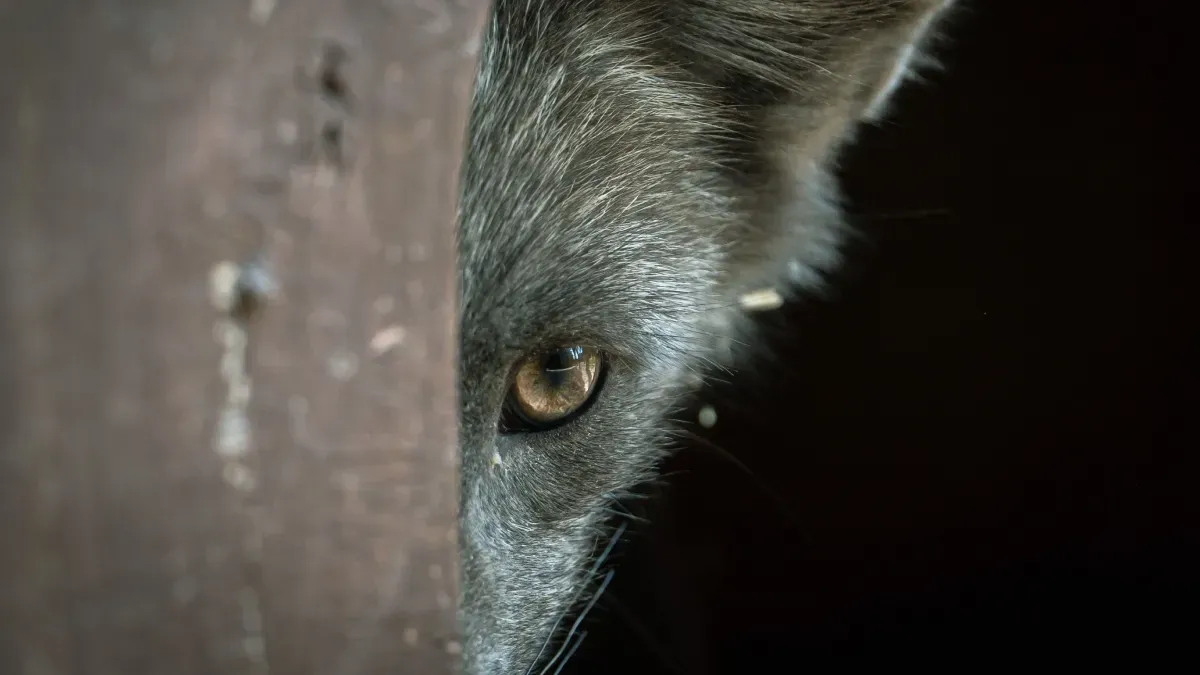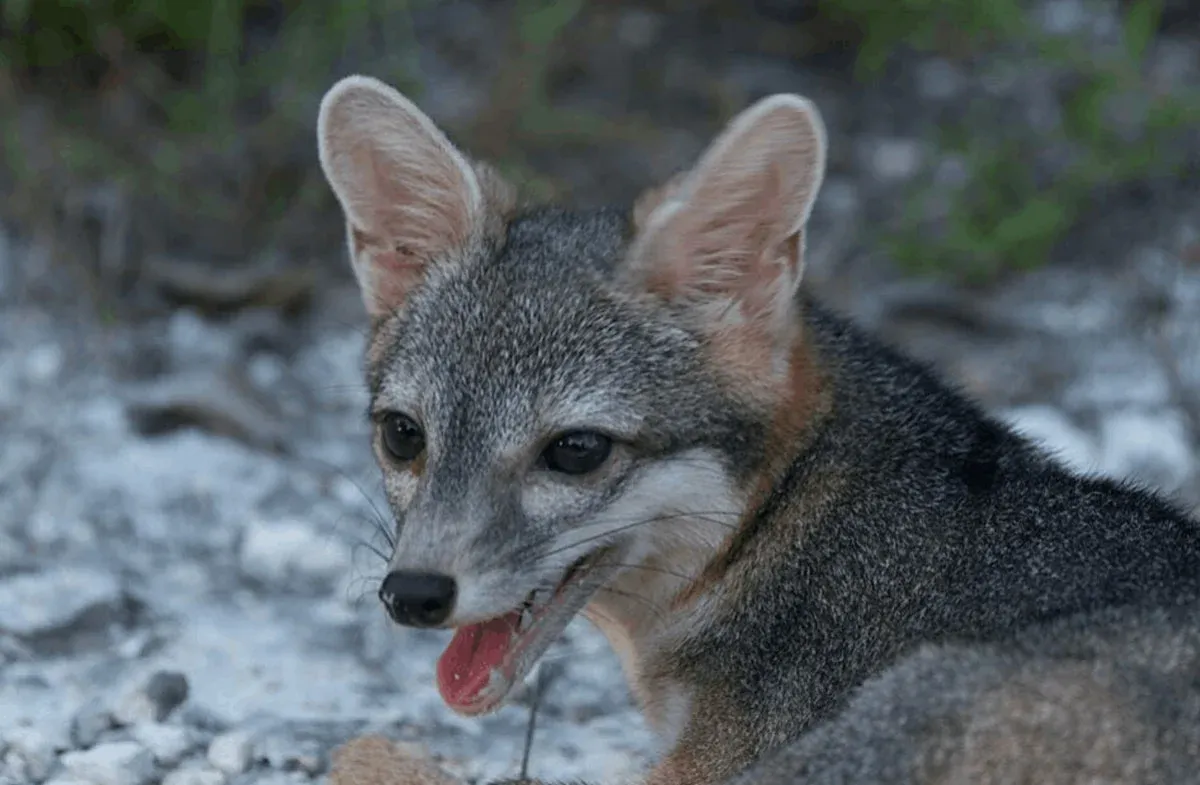
A rare Cozumel dwarf fox, unseen for over two decades, has been spotted again. This critically endangered species was known mostly from old remains. Its rediscovery has led to urgent calls for more research and protection.
A Ghostly Fox Returns
For more than twenty years, the Cozumel dwarf fox was like a ghost. Scientists only knew about it from ancient bones and a few unconfirmed reports. No one was sure if it still lived in the wild.
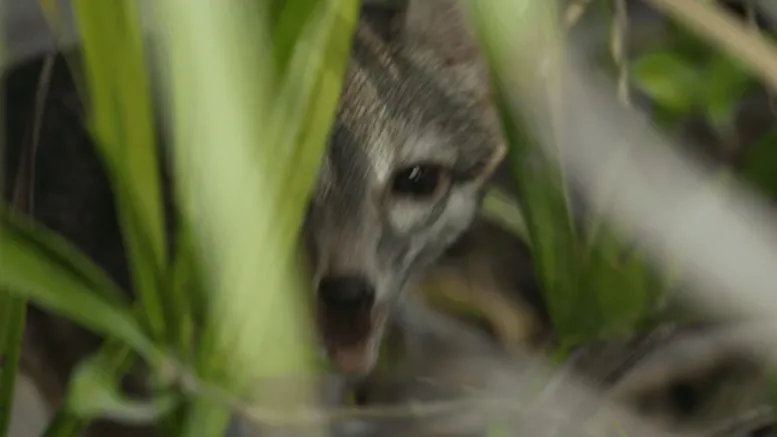
Then, on September 14, 2023, residents found a confused adult male fox near a coastal highway on Cozumel island. Staff from the Fundación de Parques y Museos de Cozumel rescued it.
We're a new kind of news feed.
Regular news is designed to drain you. We're a non-profit built to restore you. Every story we publish is scored for impact, progress, and hope.
Start Your News DetoxThe fox was watched and checked by vets for several days. On September 17, 2023, it was released into the Laguna Colombia State Reserve. This protected area has good habitat and is safe from roads.
The Cozumel dwarf fox (Urocyon sp.) is one of the rarest dog family members in the world. It has lived on Cozumel, a Caribbean island, for thousands of years. Old evidence suggests it was there even before the Maya people arrived.
Because it lived alone on the island for so long, the fox became much smaller. This is called "insular dwarfism." Researchers believe it is only 60-80% the size of its mainland relative, the gray fox (Urocyon cinereoargenteus). Before this recent sighting, the last unconfirmed report was in 2001.
Why the Fox is in Danger
Even though it has lived on Cozumel for centuries, the Cozumel fox has never been officially named as its own species. Scientists say it is critically endangered. Its habitat in southern Cozumel is shrinking due to new buildings, development, invasive species, and natural disasters. Experts worry the fox could soon disappear forever.
Travis Bayer from Pathos Wildlife explained how easily rare species can vanish without anyone noticing. He said extinction can happen slowly and quietly, especially for rare animals in remote places.
Bayer noted that finding the fox again is not yet a success story for conservation. Instead, he called it a "second chance."
Steps to Save the Cozumel Fox
The new photos show that conservation efforts are needed right away. Bayer said the biggest problem is that scientists know almost nothing about the fox. They don't know how many there are, where they live, or how they behave. This lack of information makes it hard to protect them effectively.
The research team has suggested several key actions. These include surveys to count the foxes and map their territory. They also want genetic research to understand the fox's history. Protecting its habitat and reducing conflicts with people are also important steps.
Bayer hopes this work will help the Cozumel fox become a well-understood part of the island's ecosystem. He added that conservation is often most important when there is a lot of uncertainty. This uncertainty itself should be a call to action.
Deep Dive & References
First photographic evidence of an insular dwarf fox (Urocyon sp.) on the island of Cozumel, Mexico - Neotropical Biology and Conservation, 2026