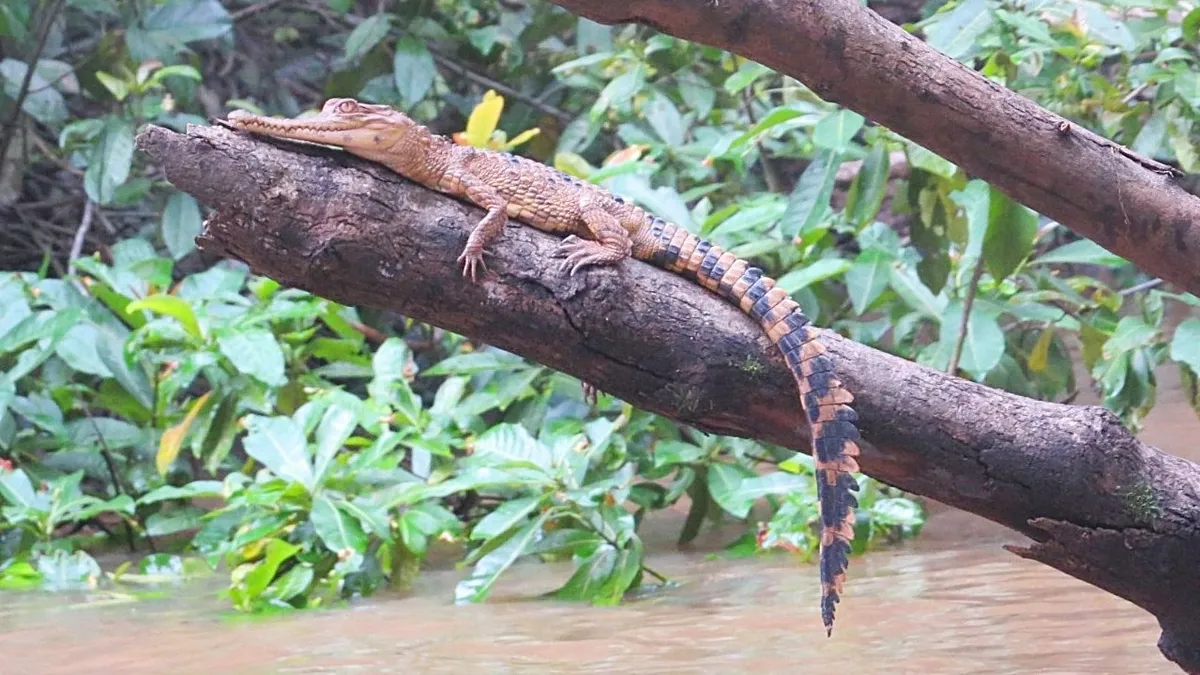
Most crocodiles are content to lurk in the water, maybe a little sunbathing on a convenient log. But in Côte d’Ivoire, there's a species that apparently missed the memo. The West African slender-snouted crocodile? It's too busy scaling trees.
Yes, trees. And rocks that jut out of the river. Because apparently that's where we are now. These aren't your typical swamp monsters; they're more like arboreal reptiles with a penchant for elevated sunbathing.
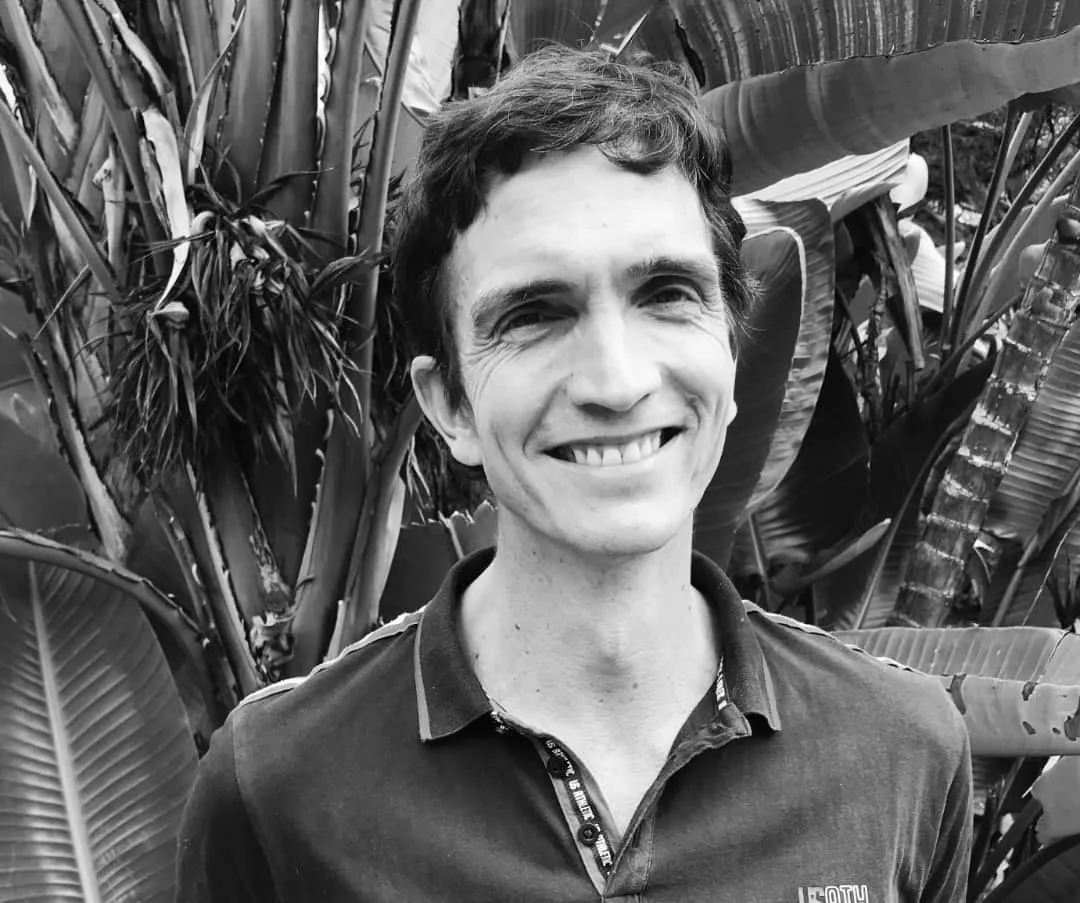
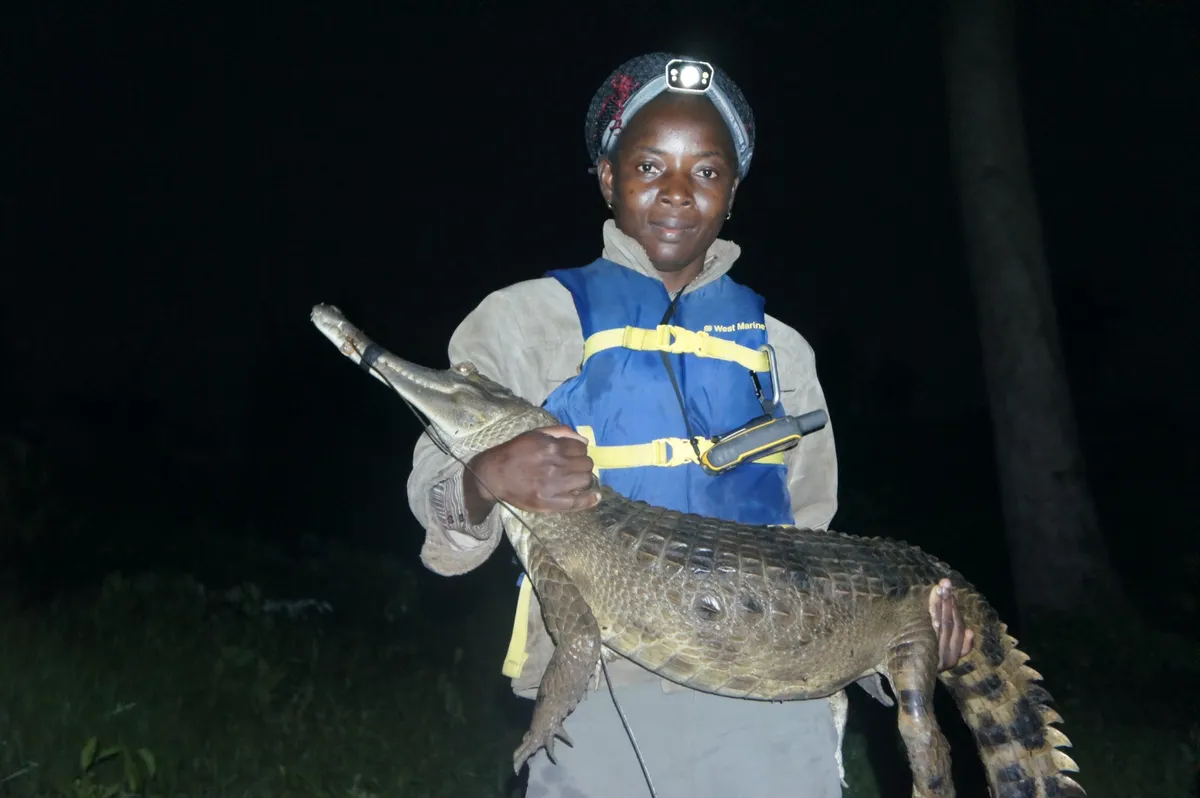
Christine Kouman, an environmental scientist who co-founded the conservation group EBURCO, has spent over a decade studying these unique creatures in Taï National Park. Her work, supported by Project Mecistops, is basically a deep dive into the lives of crocodiles who apparently think they're chameleons.
We're a new kind of news feed.
Regular news is designed to drain you. We're a non-profit built to restore you. Every story we publish is scored for impact, progress, and hope.
Start Your News DetoxThe Gentle Giants of the Canopy
Kouman calls them "gentle crocodiles." Which, if you think about it, is both impressive and slightly terrifying. Impressive because, well, crocodile. Terrifying because she's been handling them for years without injury. This isn't exactly a common job perk.
These slender-snouted crocs mostly stick to a fish diet and, crucially, have never been known to attack humans. So, while they might look like something out of a primeval forest nightmare, they're really just trying to catch some rays from a decent vantage point.
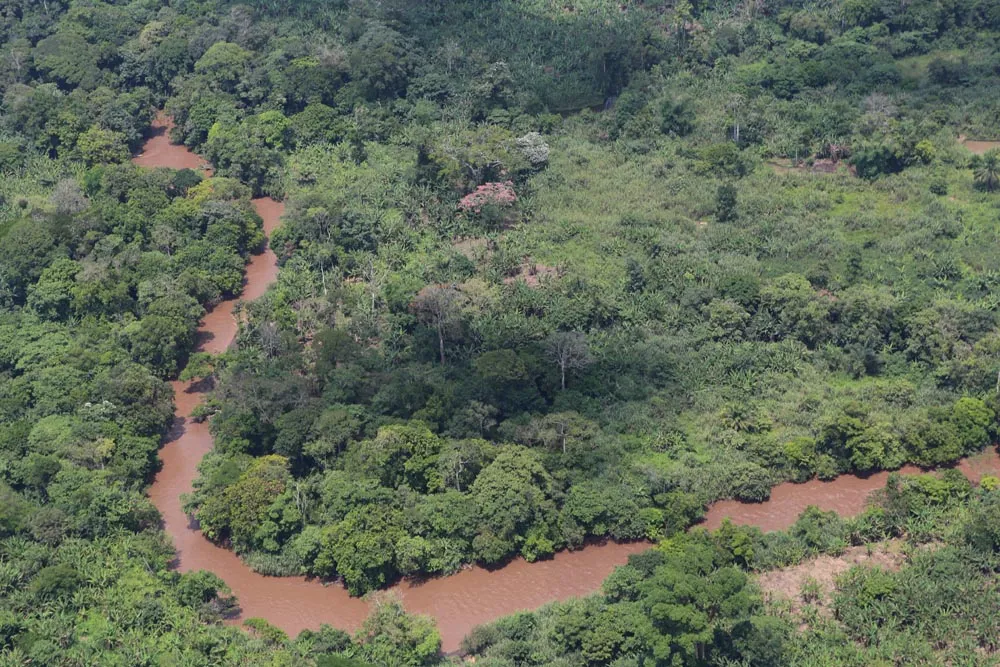
Their habitat, the Upper Guinean Forest, is shrinking. Which means these tree-climbing, surprisingly chill reptiles are facing an increasingly cramped existence. And if a crocodile can't even get some peace and quiet in a tree, what hope do the rest of us have?