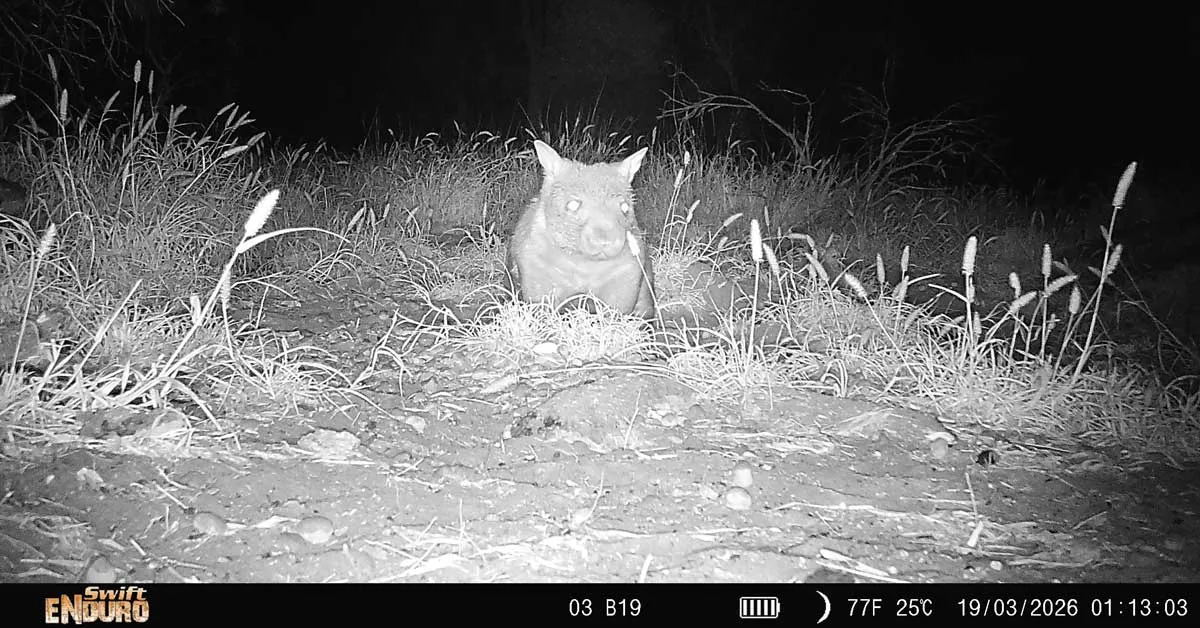
Australian conservationists are celebrating a new addition to the critically endangered northern hairy-nosed wombat population. A female wombat was spotted with a baby in her pouch at the Richard Underwood Nature Refuge in Queensland. This discovery brings new hope for the species.
A Rare Sighting
In March, a motion sensor camera captured images of the female wombat. Conservationists noticed a "mini bulge" in the photo, which turned out to be a baby. The Australian Wildlife Conservancy (AWC) team was thrilled by the news.
Ben Stepkovitch, an AWC Wildlife Ecologist, shared his excitement. He noted that the world's northern hairy-nosed wombat population now stands at about 451 individuals. Each new joey is vital for the species' survival.
We're a new kind of news feed.
Regular news is designed to drain you. We're a non-profit built to restore you. Every story we publish is scored for impact, progress, and hope.
Start Your News DetoxThis sighting offers a rare look into the reproductive cycle of one of the world's rarest mammals. The baby was estimated to be two or three months old when first photographed.
About the Northern Hairy-Nosed Wombat
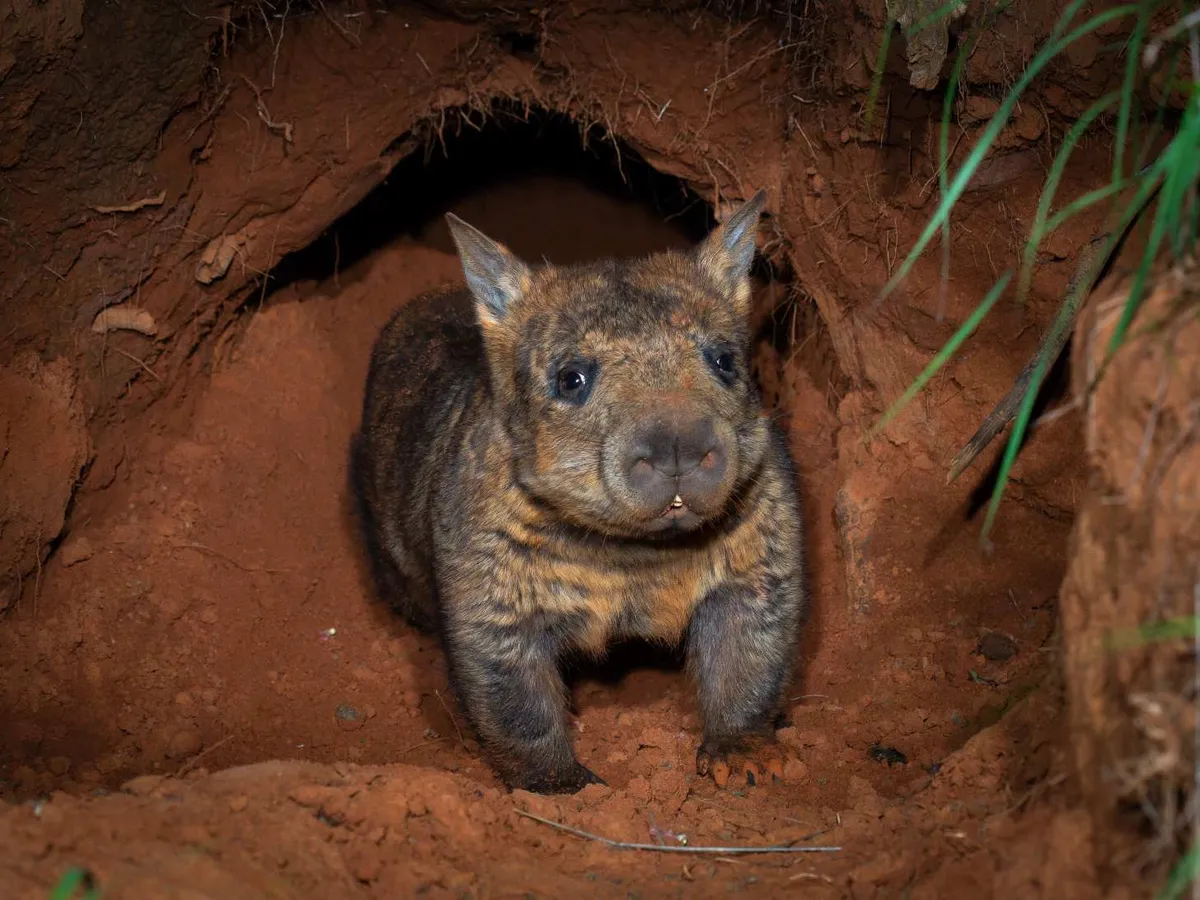
The northern hairy-nosed wombat is the largest burrowing marsupial in the world. It is a nocturnal mammal with a broad nose, pointy ears, and faint black eye patches. These wombats can grow to over one yard and weigh up to 66 pounds.
Historically, the species lived in open eucalypt woodlands. However, habitat destruction and killings by European colonizers severely reduced their numbers. By the 1980s, only 35 individuals remained.
Conservation Efforts
The Queensland Parks and Wildlife Service started a program to protect the remaining wombats. This included building fences to keep out predators like wild dogs and dingoes. These efforts have helped the wild wombat population grow steadily.
Despite this progress, the species remains critically endangered. The discovery of the new joey is a significant win for conservationists.
Caretaker volunteers Anne and Corinne at Richard Underwood Nature Refuge first identified the new mom. They noticed her "slightly slumping belly" while reviewing camera footage.
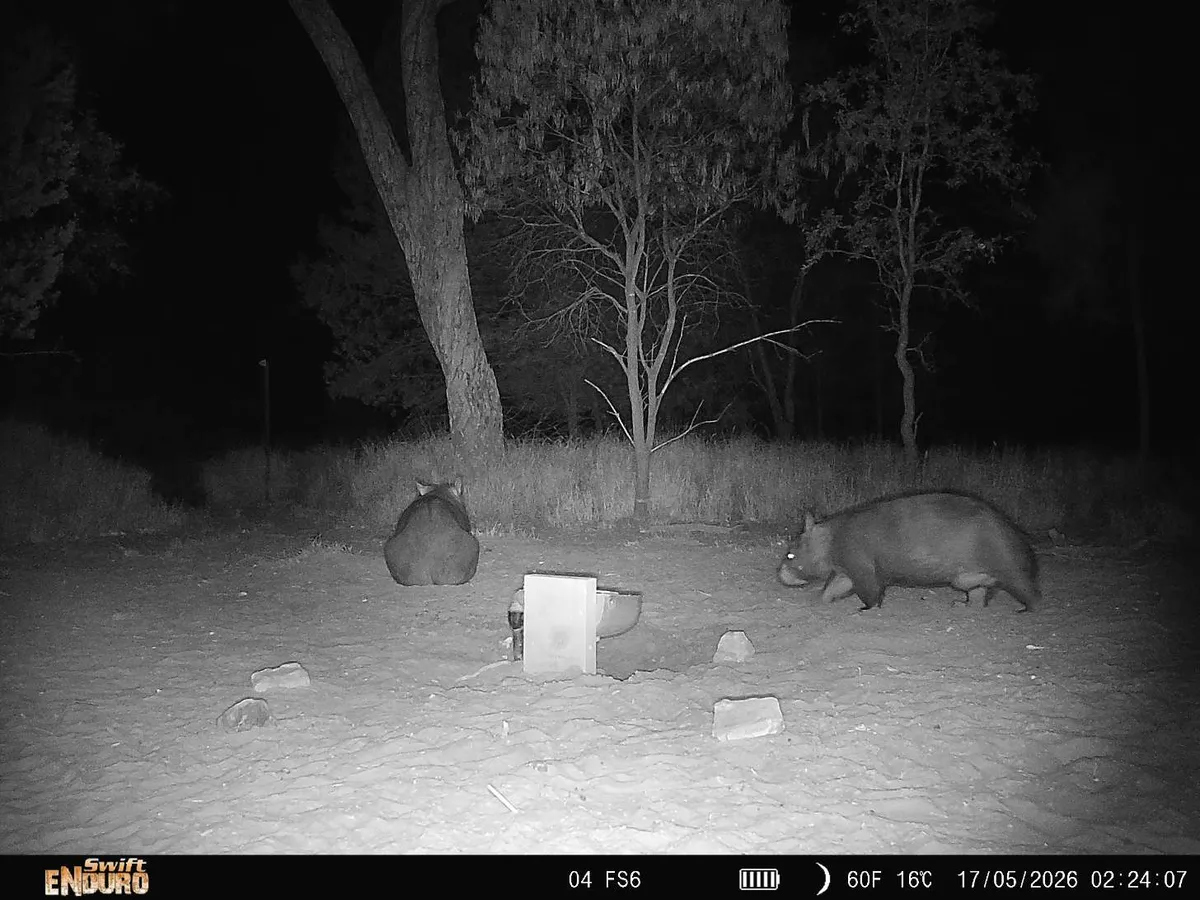
They quickly shared the photos with the AWC science team, who confirmed it was a newborn wombat. The team is now monitoring the mother's movements and condition. They regularly check new data from the motion sensor cameras.
Stepkovitch expects the joey to emerge from the pouch by October, when it will be about nine months old. The entire AWC team is excited about the future of this rare species.