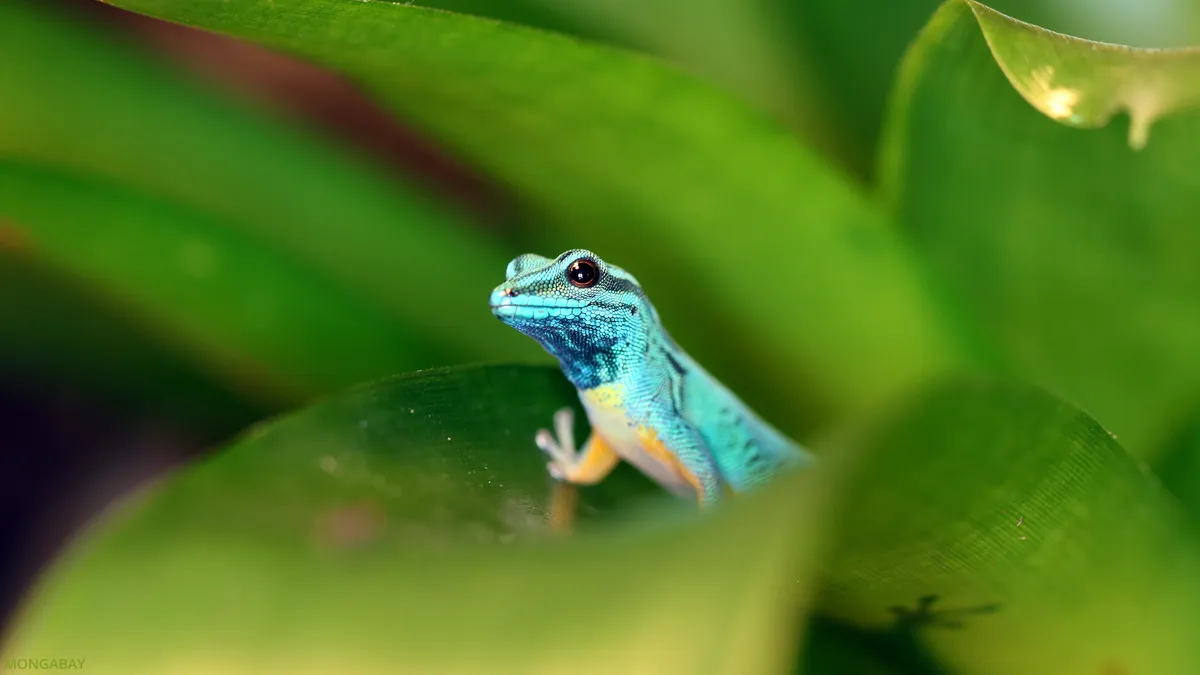
Meet the Williams' electric blue day gecko. It's tiny, it's a vibrant iridescent blue, and for a while there, it was basically disappearing from the planet. This little reptile, native to just two small forest reserves in Tanzania, was being plucked from its home at an alarming rate, primarily to fuel the European pet trade. Tens of thousands of them, experts estimated, had been spirited away by 2009. Critical endangerment was the official diagnosis.
But here's the plot twist: this gecko is now making a comeback. And it's a testament to what happens when conservationists, communities, and a global agreement decide to actually do something.

A Very Specific Taste in Real Estate
The problem, beyond the whole 'being stolen for someone's terrarium' thing, was the gecko's incredibly specific lifestyle. These little electric jewels are basically obsessed with screwpine trees. They eat there, they sleep there, they sunbathe there, they even date there. Which meant that when collectors wanted geckos, they just chopped down the trees.
We're a new kind of news feed.
Regular news is designed to drain you. We're a non-profit built to restore you. Every story we publish is scored for impact, progress, and hope.
Start Your News DetoxEventually, the world caught on. In 2017, the international commercial trade of these geckos was slammed shut under CITES, the global wildlife trade agreement. No more legal exports. Which, for a species that lives in an area so small you could probably cover it with a very large picnic blanket, was a pretty big deal.
Meanwhile, on the ground in Tanzania's Kimboza reserve, forest ecologist Charles Kilawe and local villagers teamed up with rangers. Their mission? Evicting the invasive Spanish cedar trees that had been muscling out the native flora and basically ruining the geckos' real estate market.
Since 2016, they've chopped down nearly 100,000 cedar trees. Let that satisfying number sink in. They've also slashed forest fires by about 80% and replanted roughly 5,000 native trees every single year. The result? The electric blue gecko population is bouncing back, heading towards its old numbers. And as a bonus, blue monkeys and trumpeter hornbills are also enjoying the revitalized digs. Because apparently, when you save one tiny, electric blue creature, you end up saving a whole lot more.