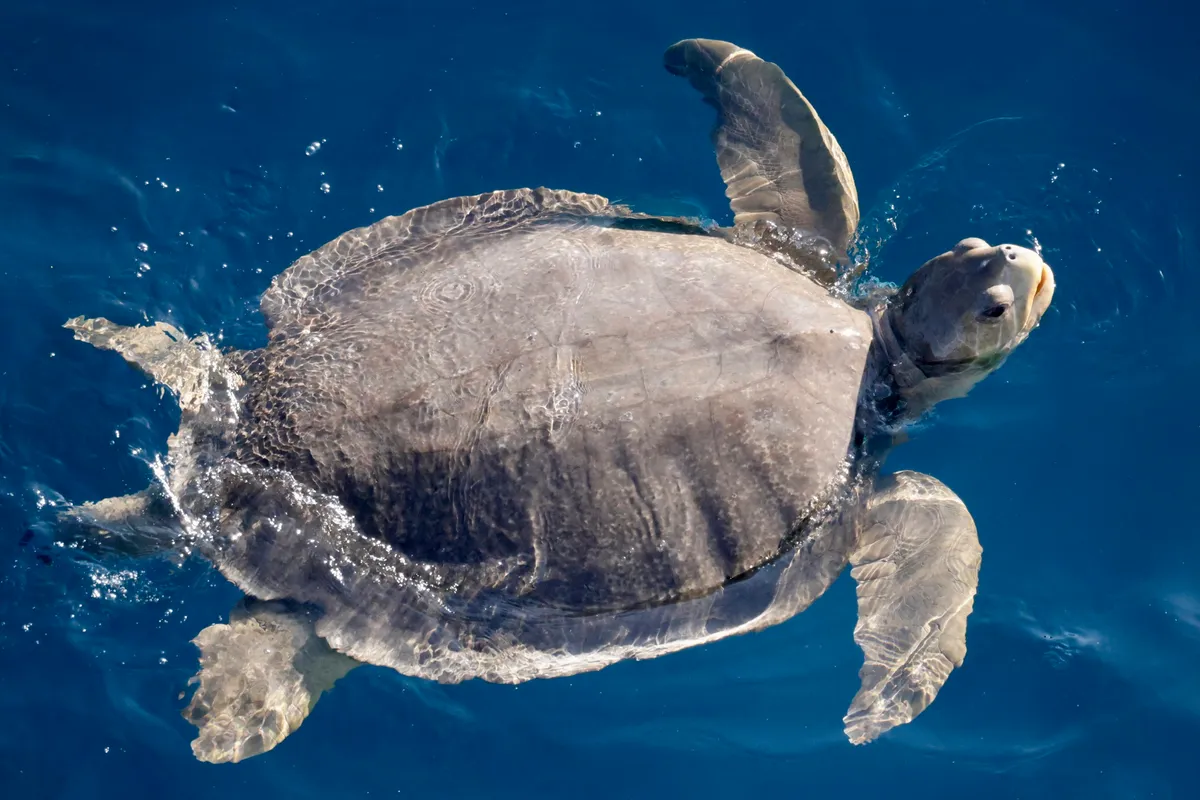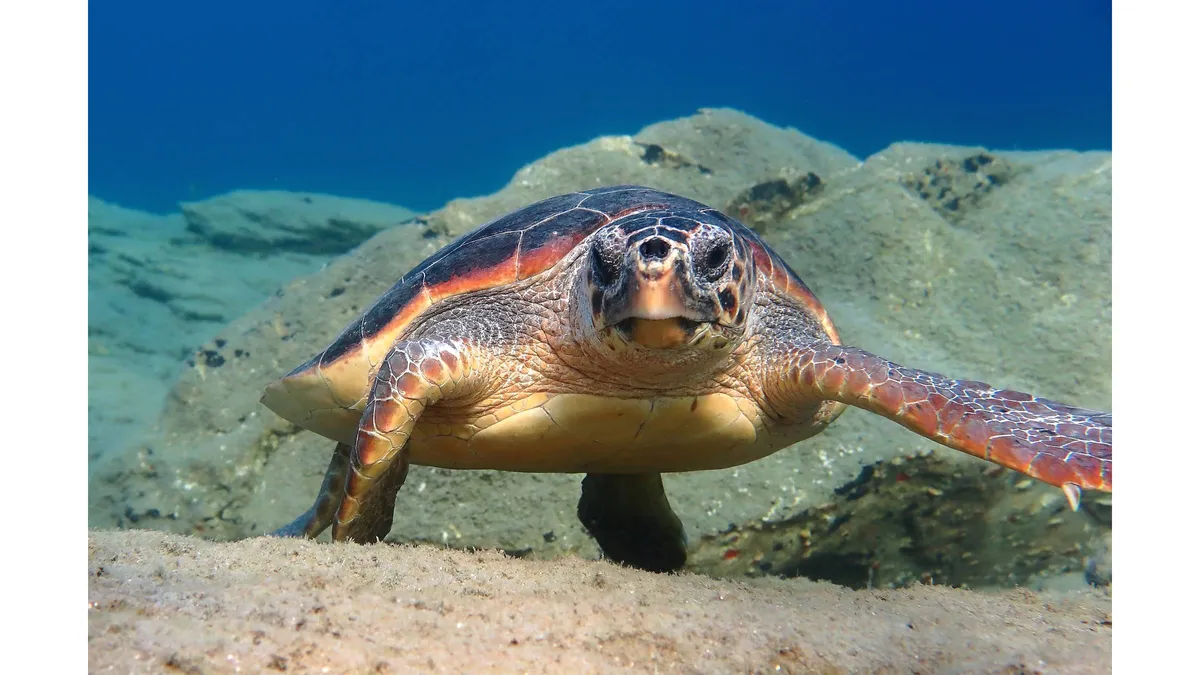
Imagine working the night shift, expecting to see a handful of sea turtles, and then suddenly, the beach is just… teeming with them. That's precisely what happened on Boa Vista, a sun-drenched island in Cabo Verde, where conservationists have witnessed an utterly bonkers 80-fold increase in nesting loggerhead turtles.
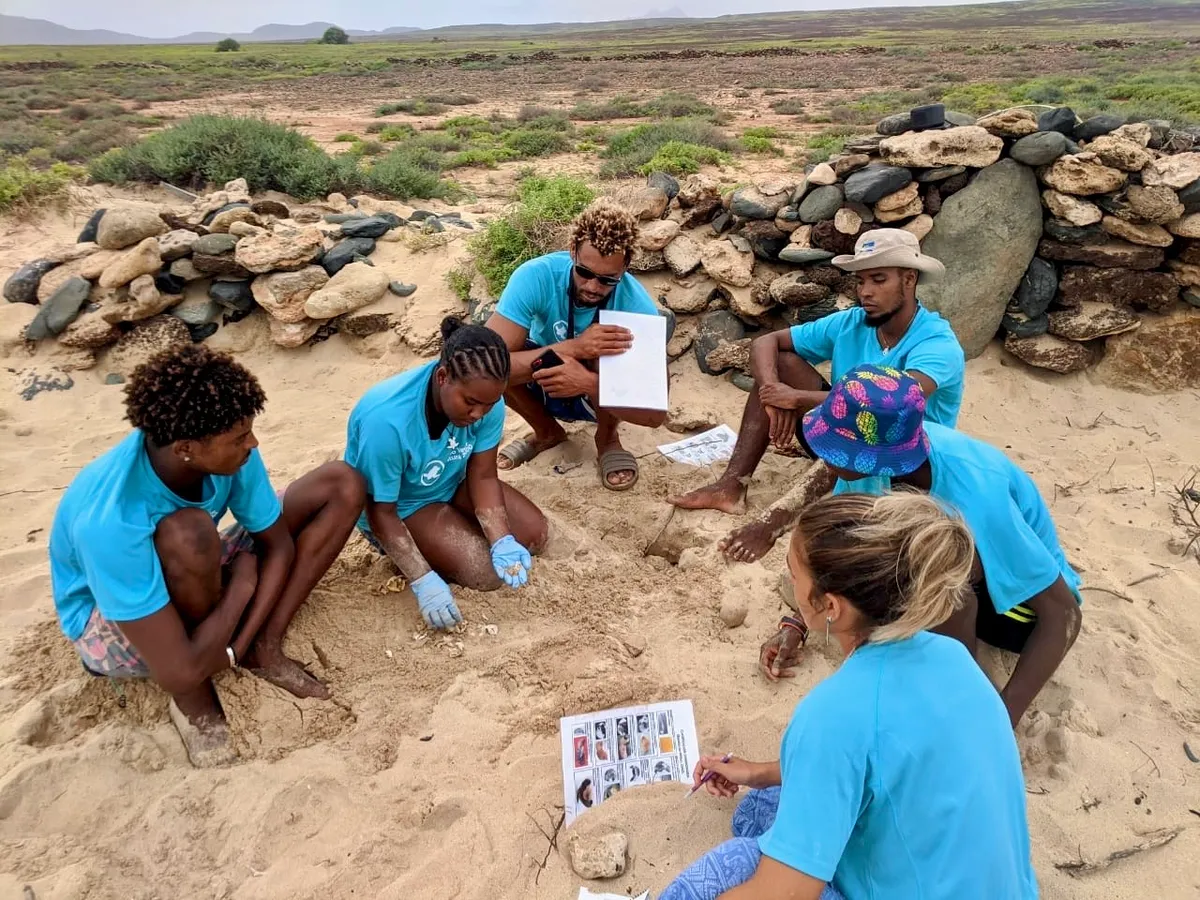
For years, night patrol teams from conservation group Cabo Verde Natura 2000 (CVN2) would count maybe five to ten female loggerheads laying eggs. A respectable number, sure. Then, around 2018, things got interesting. The count jumped to 20 or 30 turtles every single night. By 2021? We're talking 30 to 40. Which, if you're keeping score, is a lot of new moms.
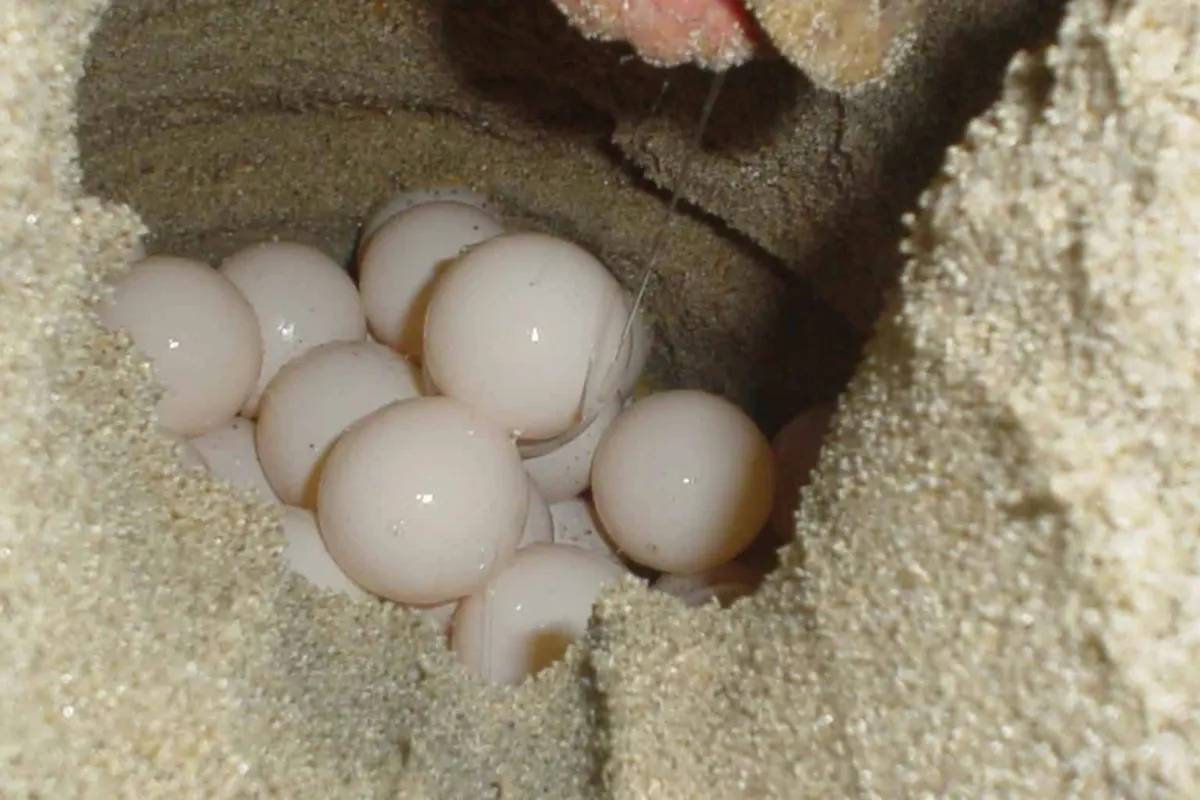
Now, a new study in Biological Conservation has crunched the numbers, confirming this surge isn't just a good year. Over 27 years, from 1998 to 2024, nesting loggerheads on three Boa Vista beaches have multiplied by eighty. Let that satisfying number sink in.
We're a new kind of news feed.
Regular news is designed to drain you. We're a non-profit built to restore you. Every story we publish is scored for impact, progress, and hope.
Start Your News DetoxThis isn't just a happy accident; it's the payoff for decades of relentless conservation work. From local volunteers to national initiatives, people have been working tirelessly to protect these magnificent creatures. And the turtles, apparently, got the memo.
Loggerheads are the globetrotters of the turtle world, cruising through warm waters across the Pacific, Atlantic, Indian, and Mediterranean. They live for ages, often 80 years or more, and females take their sweet time maturing before they even think about laying eggs. So, seeing this many new nests is a seriously big deal.
Globally, their numbers have dropped by nearly half in the last three generations, mostly thanks to us humans. Habitat loss, pollution, getting tangled in fishing nets, poaching, and climate change have all taken their toll, keeping them on the 'vulnerable' list. Which makes Boa Vista's boom not just good news, but a blueprint for what's possible when we actually try.