For the Karajarri people in northwestern Australia, land and sea aren't just separate entities on a map. They're one continuous, living estate—a sprawling, interconnected legacy woven together by ancient laws, memories, work, and a sense of duty that spans generations. And recently, this profound connection got some official recognition.
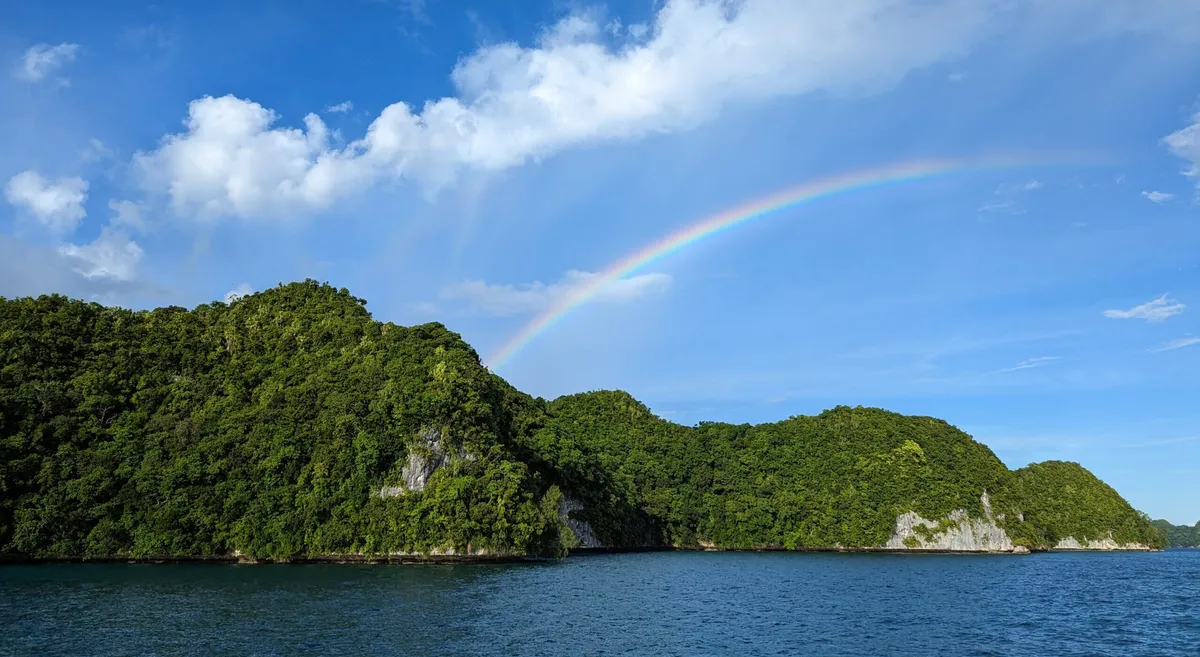
March saw the dedication of Karajarri Jurarr Ngurra, Australia's very first Sea Country Indigenous Protected Area. It's not small. We're talking 237,489 hectares, or nearly 587,000 acres, of marine and coastal glory. This includes a significant chunk of Malumpurr, which you might know as the iconic Eighty Mile Beach.
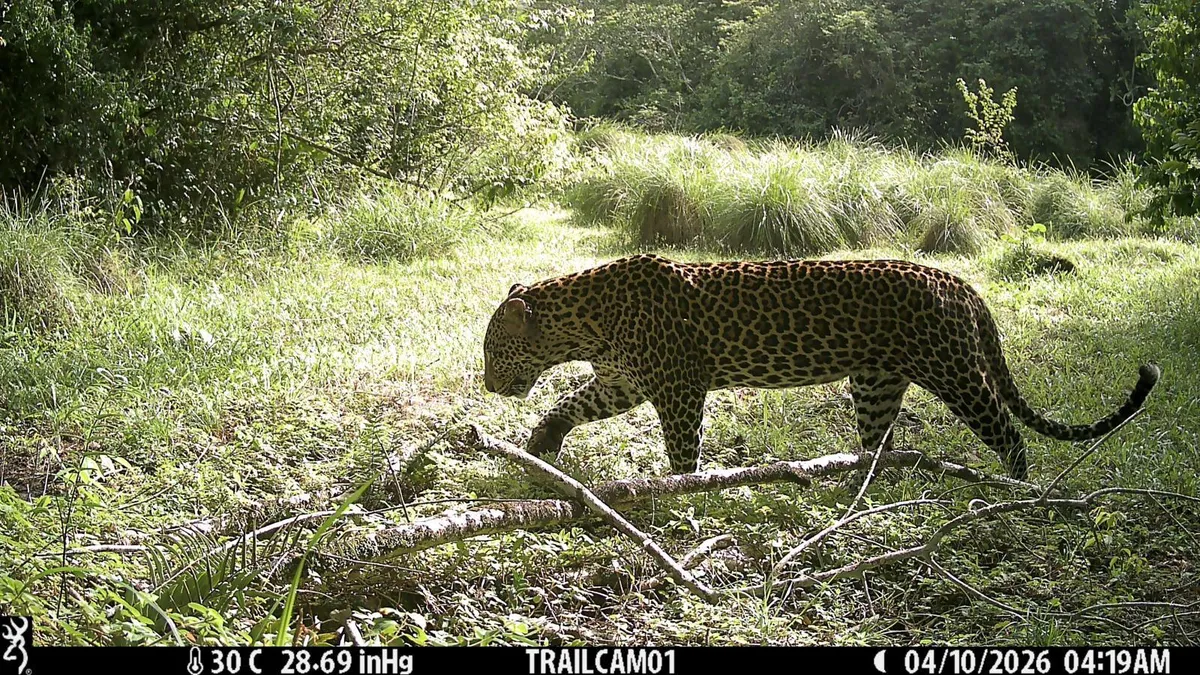
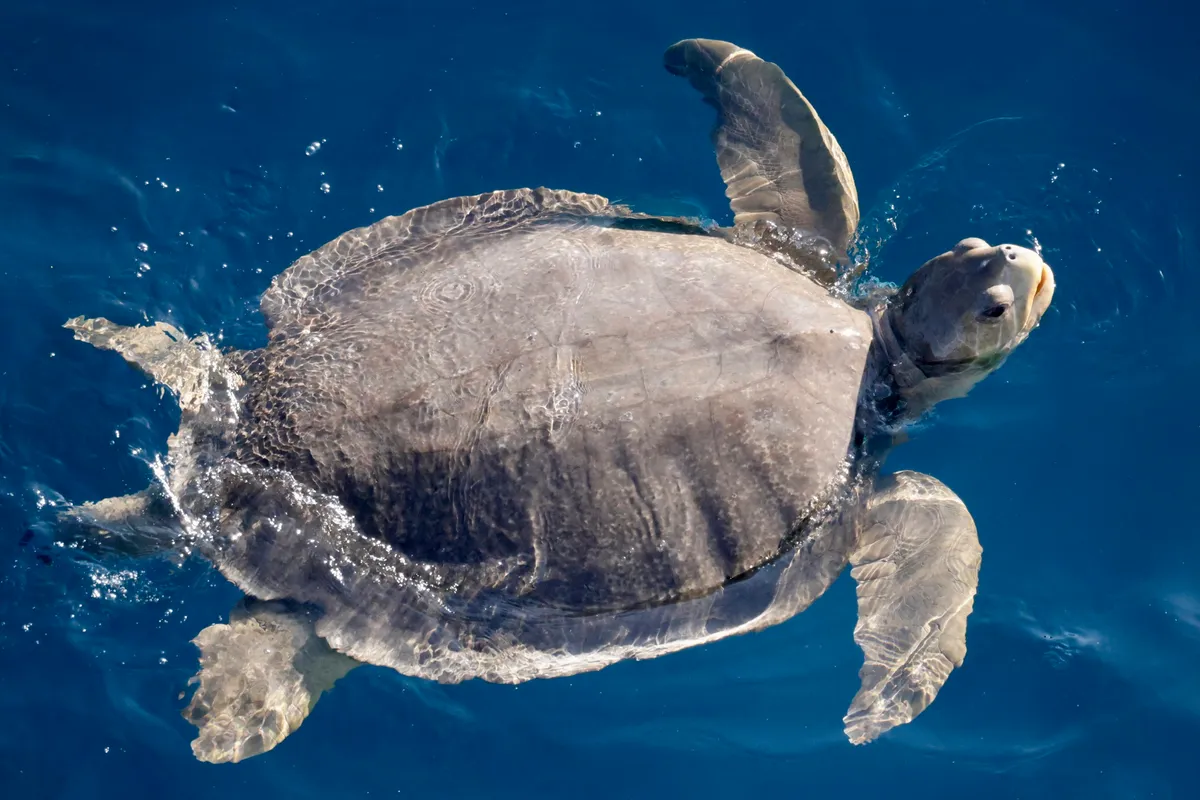
This isn't just any stretch of water and sand. It's a bustling ecosystem. Flatback turtles, looking for a good spot to nest, crawl along Malumpurr's shores. Migratory birds make pit stops in the wetlands, and sawfish glide through the waters. While scientists diligently log these species with surveys and management plans, the Karajarri know them through something far deeper: generations of lived experience, keen observation, and an inherited responsibility that predates any scientific journal.
We're a new kind of news feed.
Regular news is designed to drain you. We're a non-profit built to restore you. Every story we publish is scored for impact, progress, and hope.
Start Your News DetoxA Three-Decade Journey
This new protected area is the culmination of three decades of serious legal and political heavy lifting. First, the Karajarri secured formal recognition of their land claims. Then, they established a land-based Indigenous Protected Area and created a ranger program. Protecting their Sea Country was the logical, vital next step—formally acknowledging a relationship that has, in every meaningful way, always existed.
Jesse Ala’i, who previously managed the Land and Sea Country for the Karajarri Traditional Lands Association, sums it up with elegant simplicity: "In order to have healthy Country, you need healthy people." And, as he points out, the reverse is equally true: "Healthy people need healthy Country."

Let that sink in. Australia's Indigenous Protected Areas now account for more than half of the country's progress toward its goal of protecting 30% of its land and sea. Which, if you think about it, is a pretty compelling argument for letting the people who know a place best, protect it.