For decades, the thinking went like this: get rid of invasive rats on an island, and maybe, just maybe, in a few generations, the ecosystem might start to look like its old self. Think of it as a really, really long-term investment in nature.
Then, a bunch of scientists decided to actually test that theory. And, well, nature apparently got the memo that it was time to put on its sprinting shoes. New research suggests these ecosystems can bounce back with a speed that makes previous estimates look… leisurely.

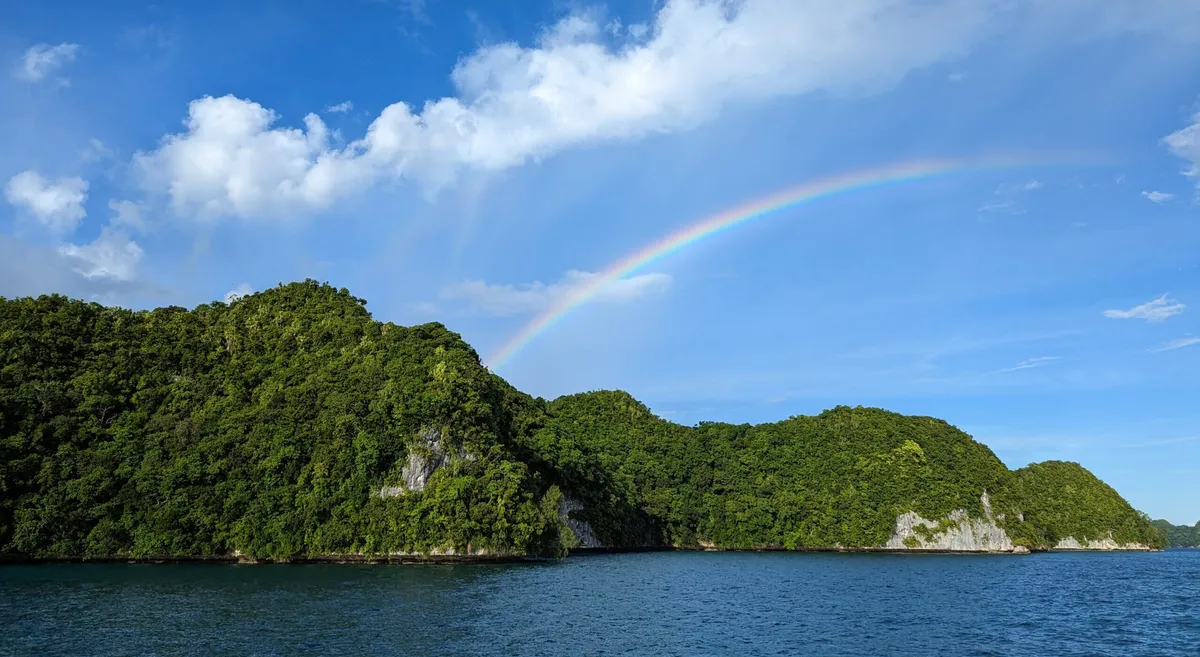
Take Ulong Island in Palau. Before the intervention, it was basically Rat Central. These weren't shy, nocturnal rats; these were the kind that actively annoyed campers and decimated local wildlife populations. Their favorite snack? Seabird eggs and chicks, which, as you can imagine, isn't great for a bird colony's long-term prospects.
We're a new kind of news feed.
Regular news is designed to drain you. We're a non-profit built to restore you. Every story we publish is scored for impact, progress, and hope.
Start Your News DetoxCoral Wolf, a program manager at the U.S.-based Island Conservation group, put it plainly: Ulong Island had "very few nesting seabirds." Which, for a tropical island, is like a bakery with no bread. A serious problem.
The Great Rat Eviction, And What Happened Next
So, Wolf and her team decided to stage a dramatic eviction. All the rats were removed from Ulong Island. For comparison, nearby Ngeruktabel Island remained a rat paradise. Before the big clean-up, researchers meticulously documented everything: bird calls, soil composition, even underwater metrics like fish populations and coral cover.
Then, they waited. Not decades. Not even years, really. Just one year.
When they returned, the results were less of a rebound and more of a cannonball splash. Biodiversity had exploded. With the predators gone, seabird activity surged. Calls from species like bridled terns, for instance, went way, way up. It turns out, when you stop eating the babies, the parents tend to stick around. Who knew?
It’s a surprisingly quick, satisfying win for conservation, proving that sometimes, all nature needs is a little less… rodent problem.