Imagine a national park so quiet it was nicknamed the "silent park." Not in a peaceful, serene way, but in a haunting, empty way. That was Mozambique's Zinave National Park after decades of civil war wiped out nearly all its wildlife.
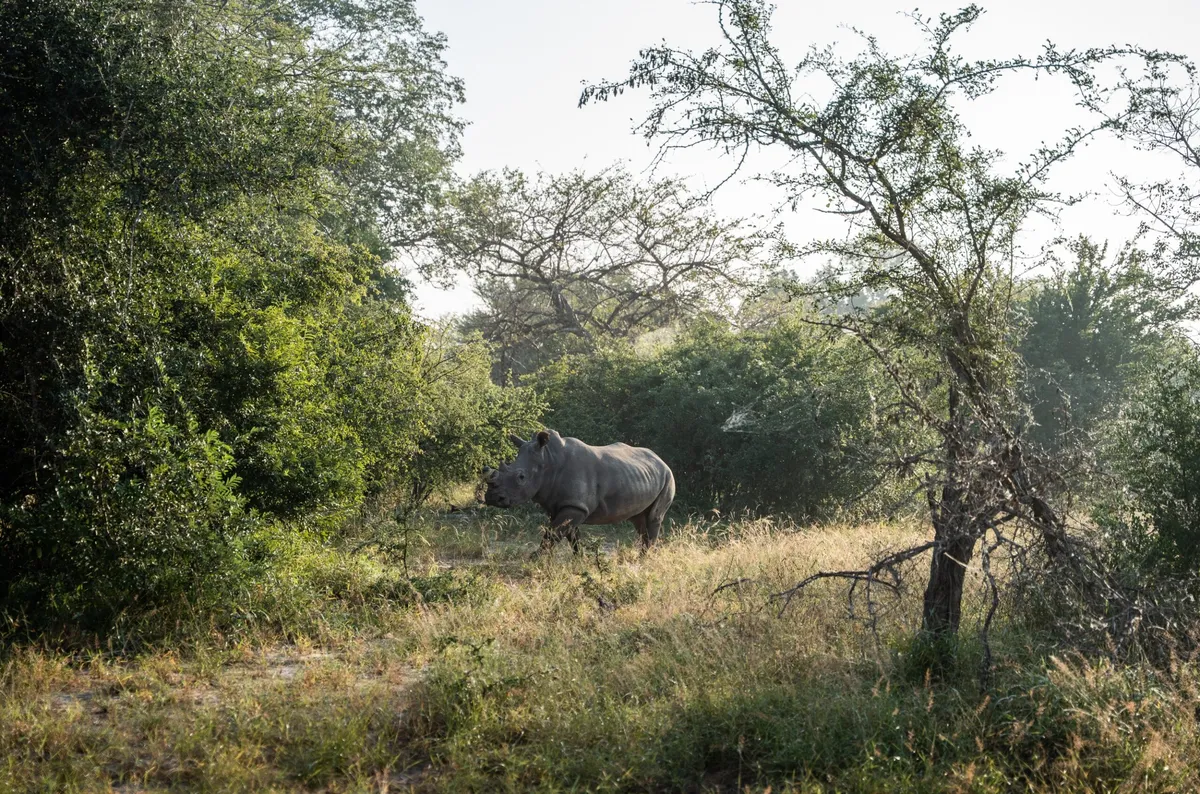
But that silence is slowly, triumphantly, being replaced by the thud of hooves and the rustle of grazing. The latest arrivals? Nine female white rhinos, completing a nearly decade-long effort to bring a healthy breeding population back to Zinave. They traveled two days from South Africa's Manketti Game Reserve, arriving on June 6th, presumably ready to get to work.

These new ladies are joining quite the crew. Since 2022, Zinave has welcomed 30 other white rhinos and 22 black rhinos. Antony Alexander from the Peace Parks Foundation, who manages the park, described the latest move as "fantastically well" executed. He even suggested the rhinos seemed "happy to be back in the wild," which, if you think about it, is a pretty good review from a rhino.
We're a new kind of news feed.
Regular news is designed to drain you. We're a non-profit built to restore you. Every story we publish is scored for impact, progress, and hope.
Start Your News DetoxFrom Silent to Stirring
Zinave is a massive place, stretching over 4,090 square kilometers (about 1,580 square miles). For years, its vastness was mostly just... empty. Alexander recalled the park having "very low levels of life" before restoration efforts began.
But the transformation has been remarkable. Since 2016, a whole parade of species has been reintroduced. We're talking critically endangered black rhinos, the distinctly named Selous' zebra, endangered African savanna elephants, vulnerable leopards, and even spotted hyenas. It's less a silent park now, and more a bustling, if still wild, metropolis.
Rhinos, beyond being majestic, are crucial to Zinave's comeback story. As "bulk grazers," they munch through huge amounts of grass, which is surprisingly important. It helps reduce the risk of devastating fires, keeping the ecosystem balanced and offering a safer home for all the returning residents. It's a slow, deliberate ballet of nature, and this latest rhino arrival is a significant, noisy step forward.