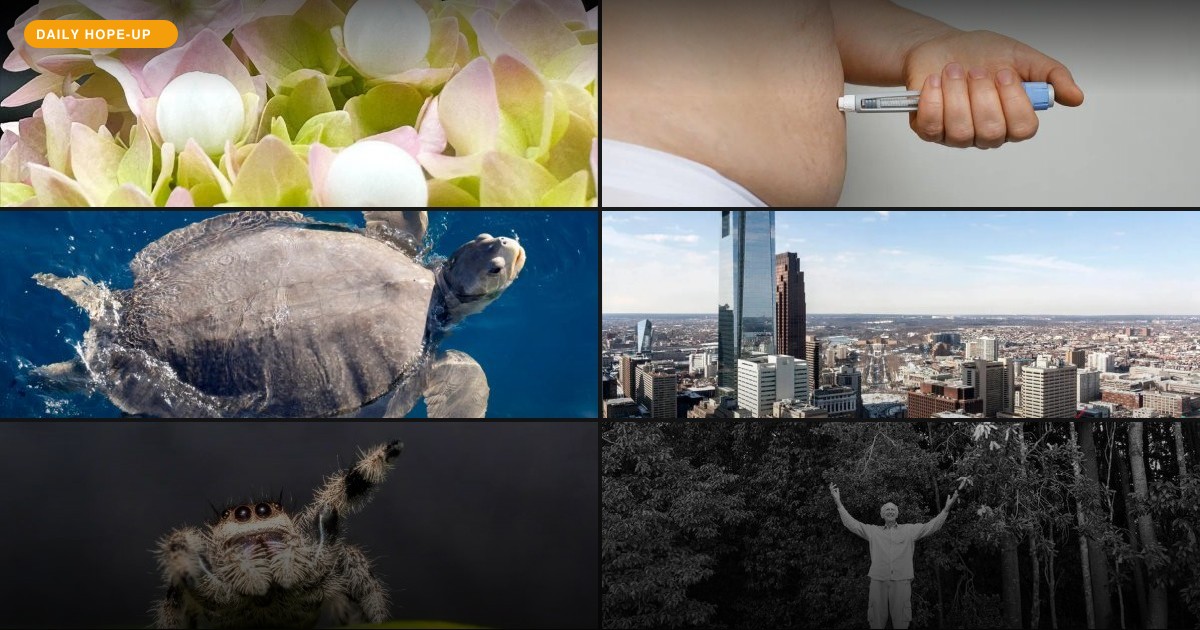
From the lush, rewilded terrace of a Bengaluru engineer to the newly designated 587,000-acre protected marine zone in Australia, this week brought a fresh reminder that when we give nature a bit of space (or a lot of it), it tends to thrive. And sometimes, it even helps us out in return.
The Unexpected Guardians of Green
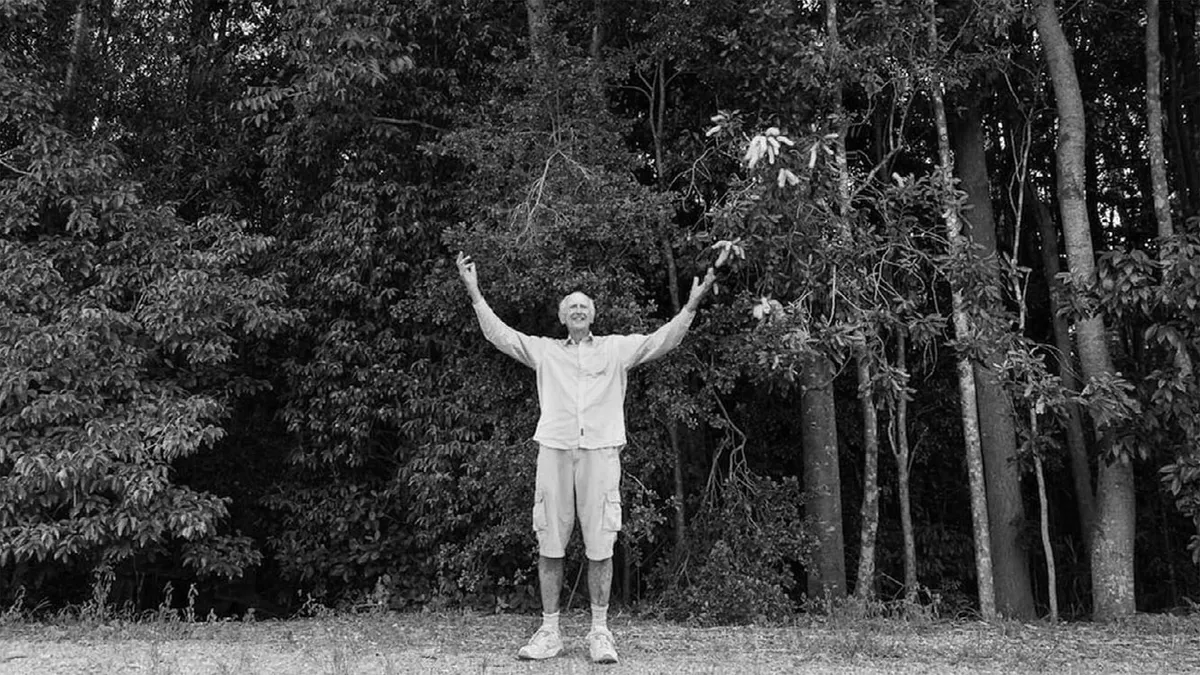
Who knew that the path to ecological restoration might run through a banker's office or a city's financial ledger? In New South Wales, former investment banker Tony Parkes traded spreadsheets for seedlings, dedicating himself to replanting a rainforest that had nearly vanished. It's a testament to the power of a single vision, transforming a devastated landscape into a thriving ecosystem.
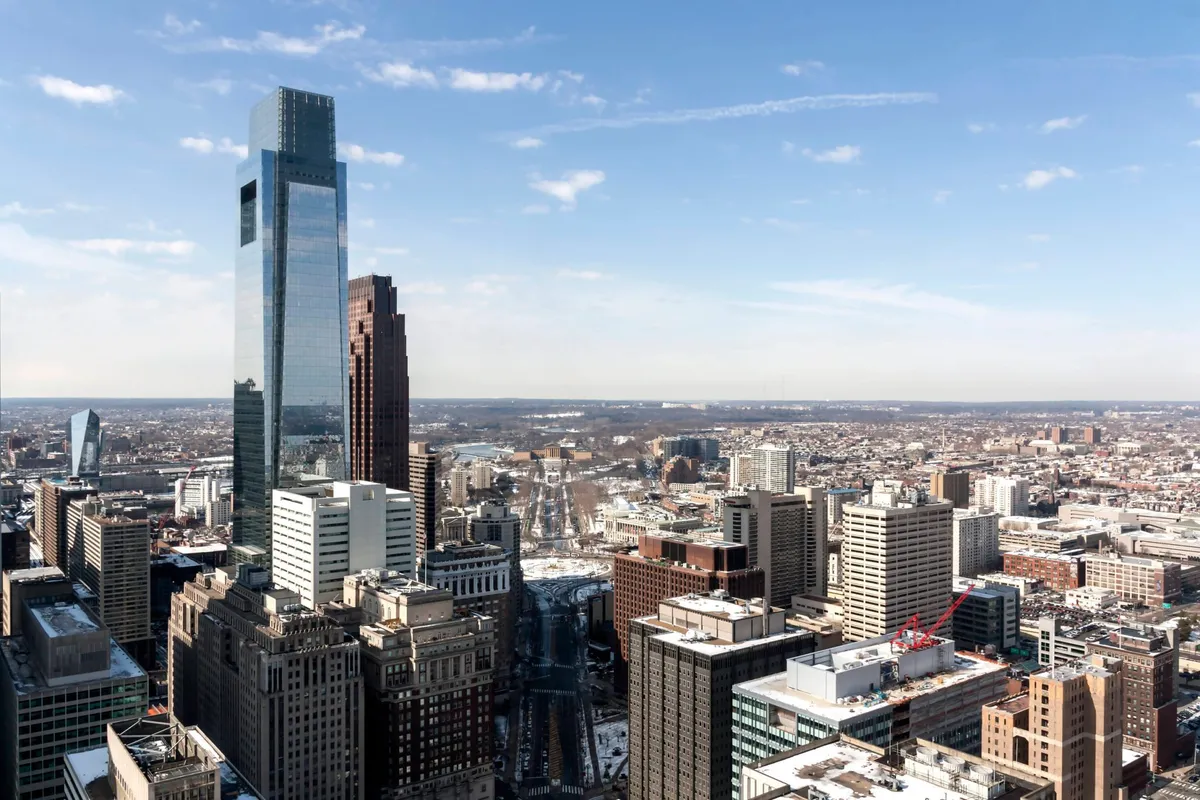
Meanwhile, on a grander, urban scale, Philadelphia's Green Bank demonstrated that environmentalism isn't just a cost center. In a decade, it generated 11,000 jobs and saved billions by funding clean energy and sustainable infrastructure. It’s a compelling case that ecological progress and economic prosperity aren't just compatible; they're synergistic.
We're a new kind of news feed.
Regular news is designed to drain you. We're a non-profit built to restore you. Every story we publish is scored for impact, progress, and hope.
Start Your News DetoxWhat this means for you: Whether it's a personal project or public policy, investing in nature can generate surprisingly strong returns, both ecological and financial.
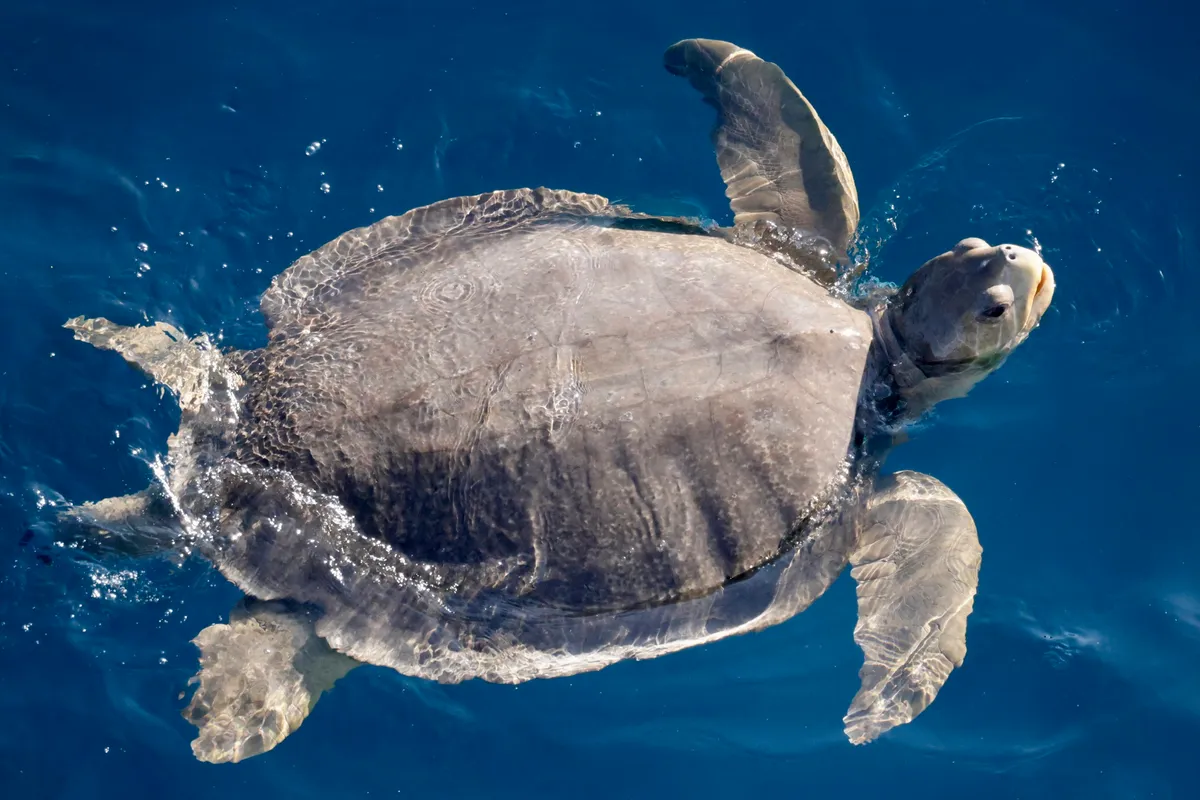
"For the Karajarri people of Kimberley in northwestern Australia, the coastline, reefs, wetlands, beaches and desert-edge country form one estate, held through law, memory, and an unbroken connection to ancestors." — Read the full story
Nature, Redesigned (Sometimes by Itself)
Nature isn't just something to protect; it's also a master architect, inspiring some of our most efficient innovations. Take the humble jumping spider: its unique vision has now led to a new 3D camera that sips power, proving that sometimes the best tech solutions have eight eyes and spin webs. Or consider the dairy industry, which, rather than just producing milk, now has a method to turn its waste into a powerful carbon trap, using tiny reusable beads to capture carbon directly from the air. 
But the most striking examples were architectural. In Kerala, a high-rise so green it looks like a forest grew a building is challenging the very definition of urban space. And in Bengaluru, a mechanical engineer turned his terrace into a full-blown rainforest — 100+ varieties of plants, butterflies, and even stingless bees, all five stories up. 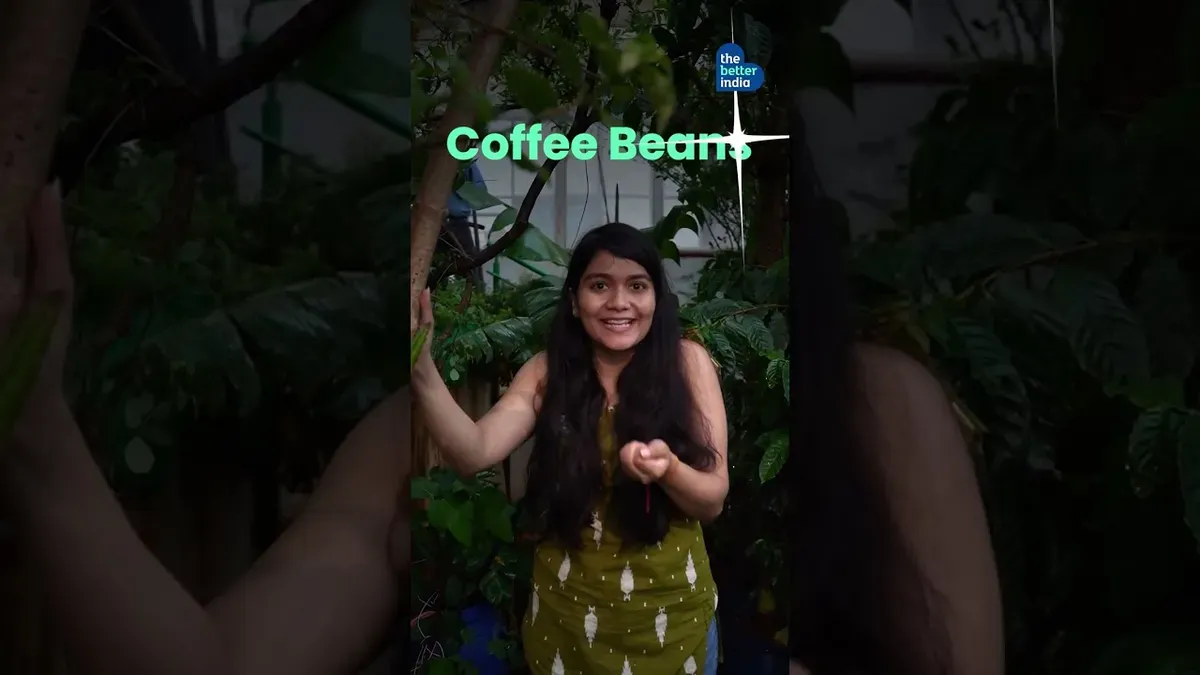
What this means for you: The solutions to our biggest challenges might not be complex new inventions, but rather clever adaptations of natural principles, whether in a lab or on a rooftop.
Hope stat: 587,000 — acres protected in Australia's first Indigenous-managed marine zone, a massive win for conservation and cultural heritage.
Watch this space: The growing trend of nature-inspired design and regenerative economics, proving that what's good for the planet can also be good for people and pockets.