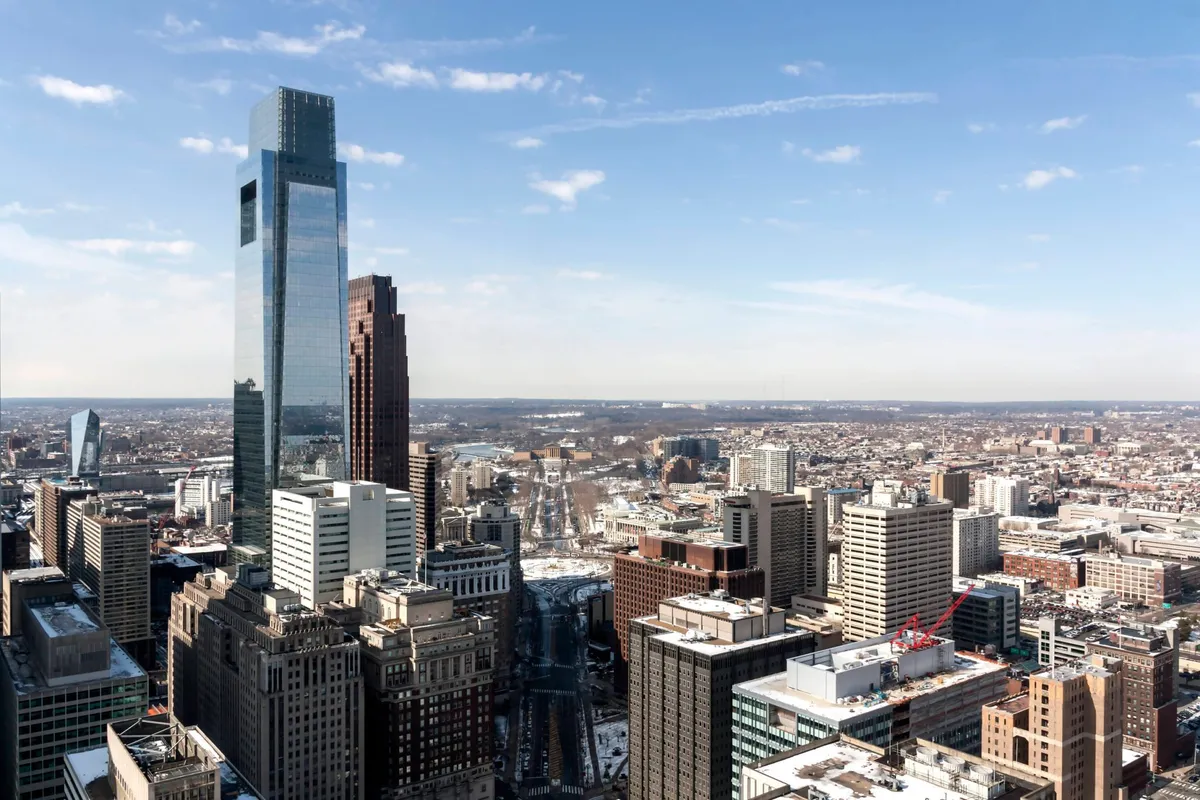
Turns out, you can save a city a billion dollars, create thousands of jobs, and make sure your grandma's lights stay on, all while going green. Philadelphia's Energy Campaign just wrapped its first decade, and the numbers are in: a mere $14.7 million investment blossomed into $1.3 billion in economic growth and a cool $1.4 billion in energy savings. Oh, and 11,000 new jobs. Let that satisfying number sink in.
How to Build a Green Empire on a Shoestring
Emily Schapira, the brains behind the Philadelphia Energy Authority (PEA), says the secret was "stacking" funds. Think of it like a financial lasagna: layers of private money mixed with public or philanthropic dough, all designed to be digestible for projects big and small. Because apparently, that's how you get things done.

Two key ingredients made this recipe work:
- C-PACE (Commercial Property Assessed Clean Energy): This is where property owners get to be heroes by financing energy upgrades through a voluntary property tax assessment. It's backed 22 projects with nearly $400 million and generated a tidy $29.9 million in municipal tax revenue. Taxes, but make it eco-friendly.
- Philadelphia Green Capital Corp.: Launched by PEA in 2021, this nonprofit green bank is basically a financial matchmaker, bringing together low-cost loans for efficiency and renewable energy projects that would otherwise be flying solo.
From Streetlights to Solar Panels, the Results Are In
Philadelphia didn't just talk the talk; they lit up the walk. More than 130,000 LED streetlights now shine across the city. The Philadelphia Museum of Art, presumably tired of its masterpieces sweating, cut its electricity use by a solid 28%.
We're a new kind of news feed.
Regular news is designed to drain you. We're a non-profit built to restore you. Every story we publish is scored for impact, progress, and hope.
Start Your News DetoxThen there's the truly impactful stuff:
- Built to Last: This program helps low-income homeowners get repairs and energy assistance. It's reached over 400 households, saving each between $300 and $1,000 annually. That's real money for real people.
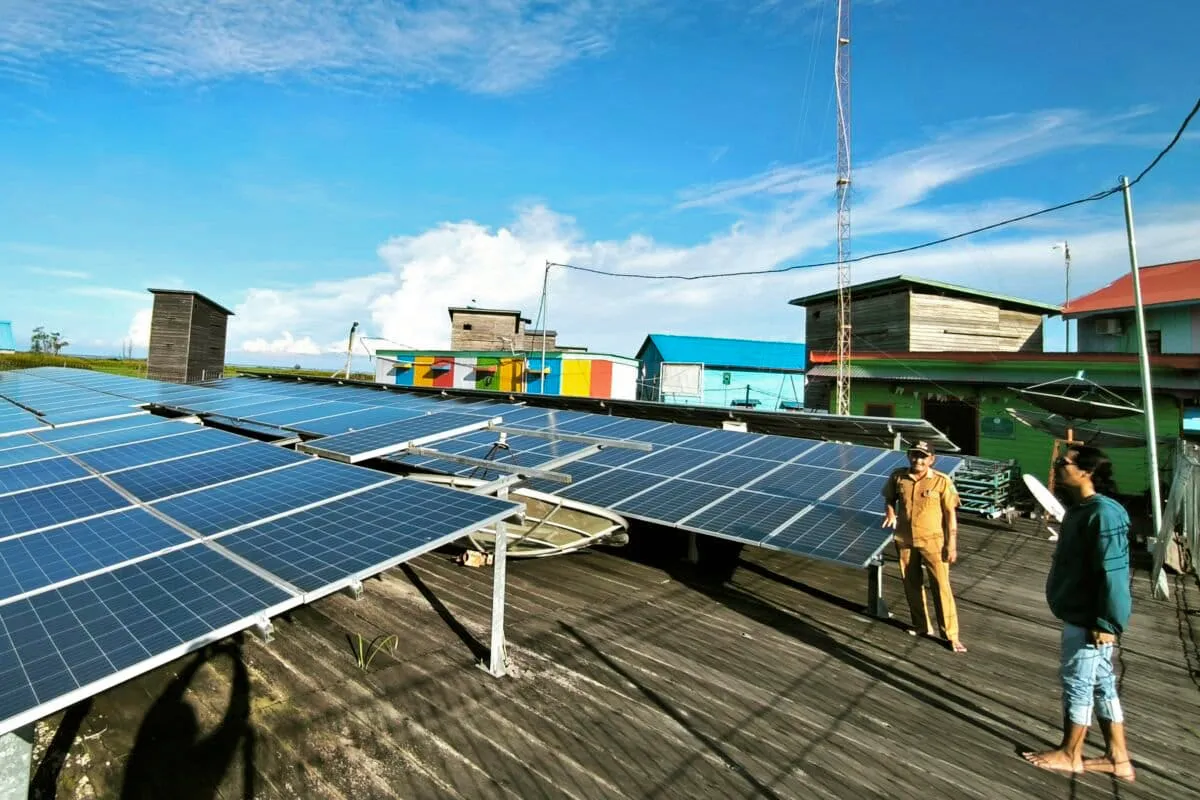
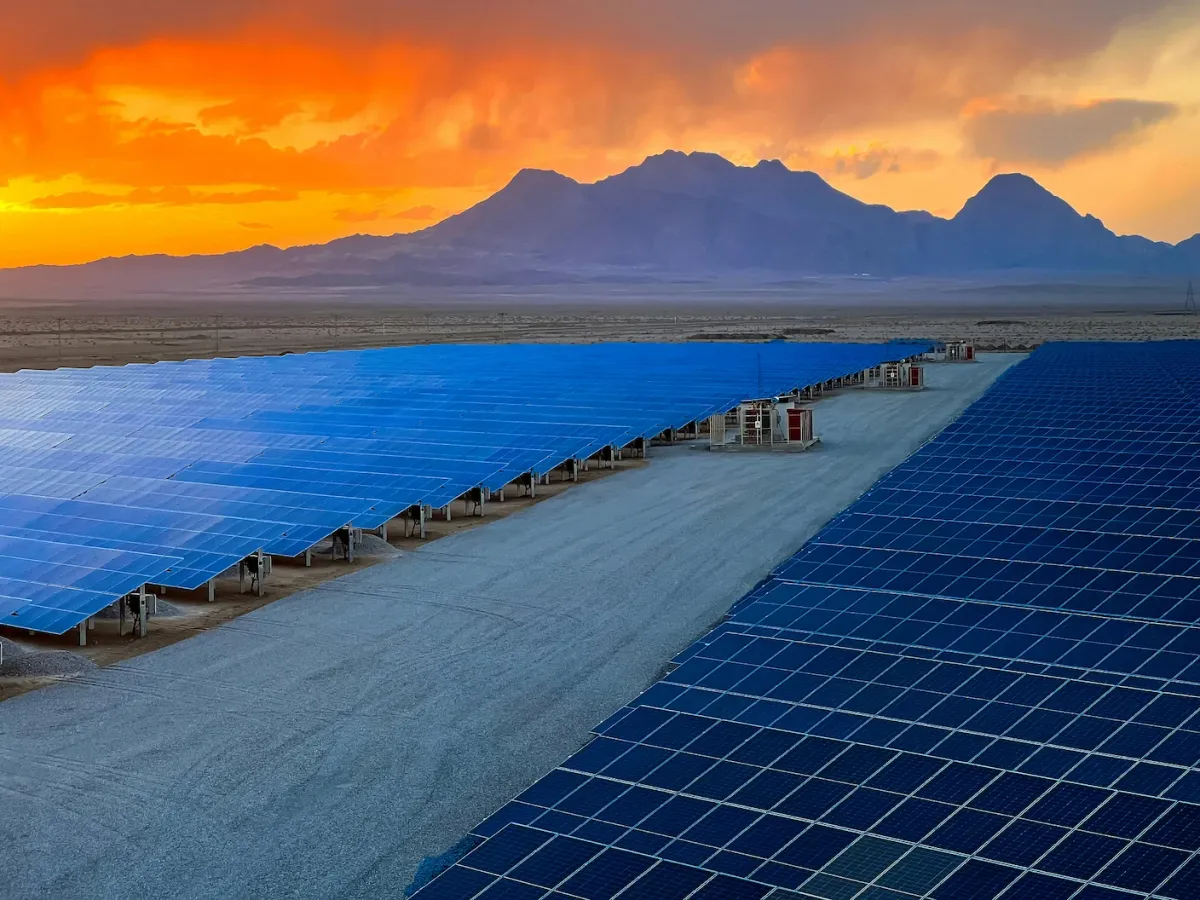
- Solarize Greater Philadelphia: Over 4,300 homeowners got solar panels, with more than half being low-income. That's 25 megawatts added to the city's power grid, quietly humming away.
- A water and sewer line protection program is also cutting down on the energy needed to pump and treat water lost from leaky pipes. Because every drop, and every watt, counts.
A Little Political Push Goes a Long Way
The whole campaign kicked off in 2016 with some serious political muscle from City Council President Darrell Clarke. He wrangled labor groups, school officials, and community organizations into one room. Schapira noted that this kind of political backing, even without a massive budget, was a game-changer. It opened doors and got everyone from housing authorities to school districts to play nice.
Their early strategy? A "Jenga approach." Instead of swinging for the fences every time, they focused on projects that were actually doable. Smart.

Building Green When the Feds Weren't Watching
The campaign started during the first Trump administration, a time when federal clean energy funding was about as reliable as a chocolate teapot. This meant they built their models to be resilient, like a financial cockroach. While losing a $156 million "Solar for All" grant stings, Schapira says their flexible models allowed them to pivot and pounce on opportunities as they arose.
Philadelphia's sustainability director, Elizabeth Lankenau, sums it up: "We’re all moving the needle in our own way. So, let’s just keep doing what we’re doing and focus on what we can change." And over the last ten years, Philadelphia has changed quite a bit. Proving that sometimes, the best way to predict the future is to build it yourself, one green dollar at a time.