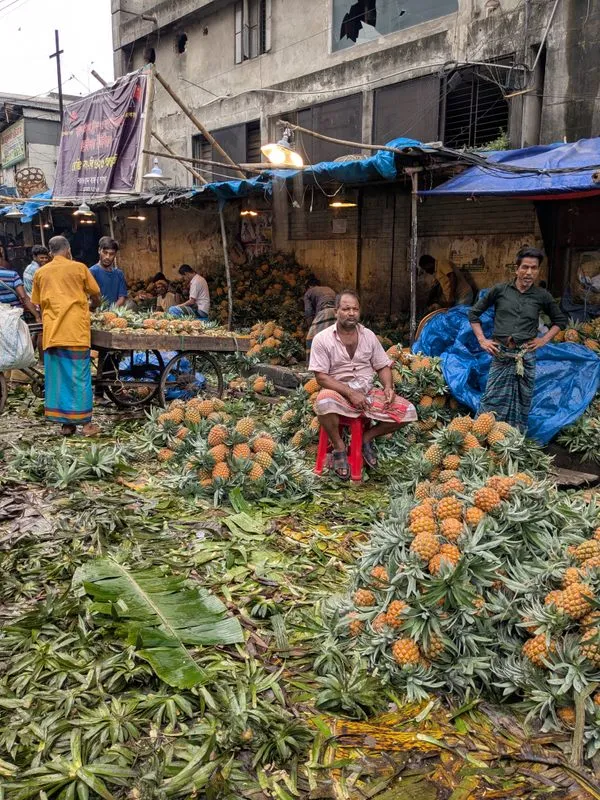
Imagine a city market so vast, so utterly relentless, that it wakes up for a fruit auction at 2 AM. That's Kawran Bazar in Dhaka, Bangladesh, a wholesale behemoth that some whisper is one of South Asia's biggest. It's open 24/7, but truly hits its stride when most of us are deep in REM cycles.
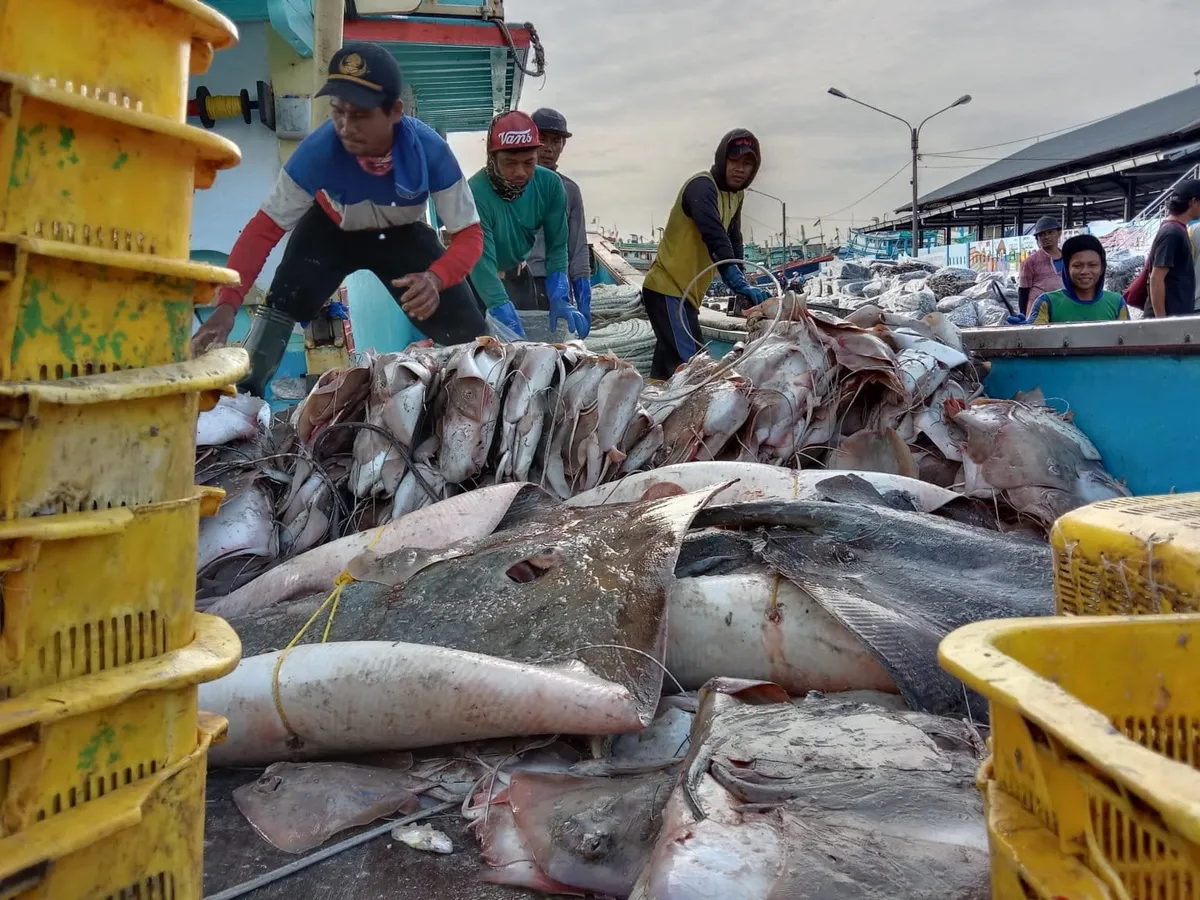
This isn't just any market; it's the pulsating heart of Dhaka's food supply, handling a staggering 57% of the city's daily vegetable intake, alongside mountains of fruit and an impressive array of other goods. There's a dedicated meat section where livestock, once purchased, are prepped for slaughter, and fish get scaled by hand. Because apparently, that's where we are now.
A Moving Target
The real magic, and potential chaos, happens where the market meets the railway. Vendors, with an almost defiant disregard for health and safety regulations, set up their entire operation on the train tracks. When a locomotive rumbles through, everything — crates, produce, people — scatters in a blur, only to reassemble moments later as if nothing happened. Keep your eyes peeled, and you might even catch a glimpse of intrepid "train surfers" riding atop the cars as they speed past, adding an extra layer of surrealism to the daily grind.
We're a new kind of news feed.
Regular news is designed to drain you. We're a non-profit built to restore you. Every story we publish is scored for impact, progress, and hope.
Start Your News DetoxBy mid-morning, the entire scene vanishes. Seriously. The market stalls evaporate, replaced by a more conventional urban landscape of parked cars and the hum of a central business district. This area is home to Bangladeshi newspapers, TV channels, a university, a hospital, and even a mall. It's a logistical ballet performed daily, transforming from a produce free-for-all to a corporate hub and back again.
Kawran Bazar's roots stretch back to the 1780s, founded by Kawran Sing, an Indian trader who set up shop during British colonial rule. Sing was a big deal, instrumental in expanding trade routes, and his legacy lives on in this perpetually buzzing commercial hub. The Dhaka Metropolitan Development Plan even earmarked it for urban renewal in 1995, proving that even centuries-old chaos can still be a vital, if slightly unhinged, part of modern urban planning.