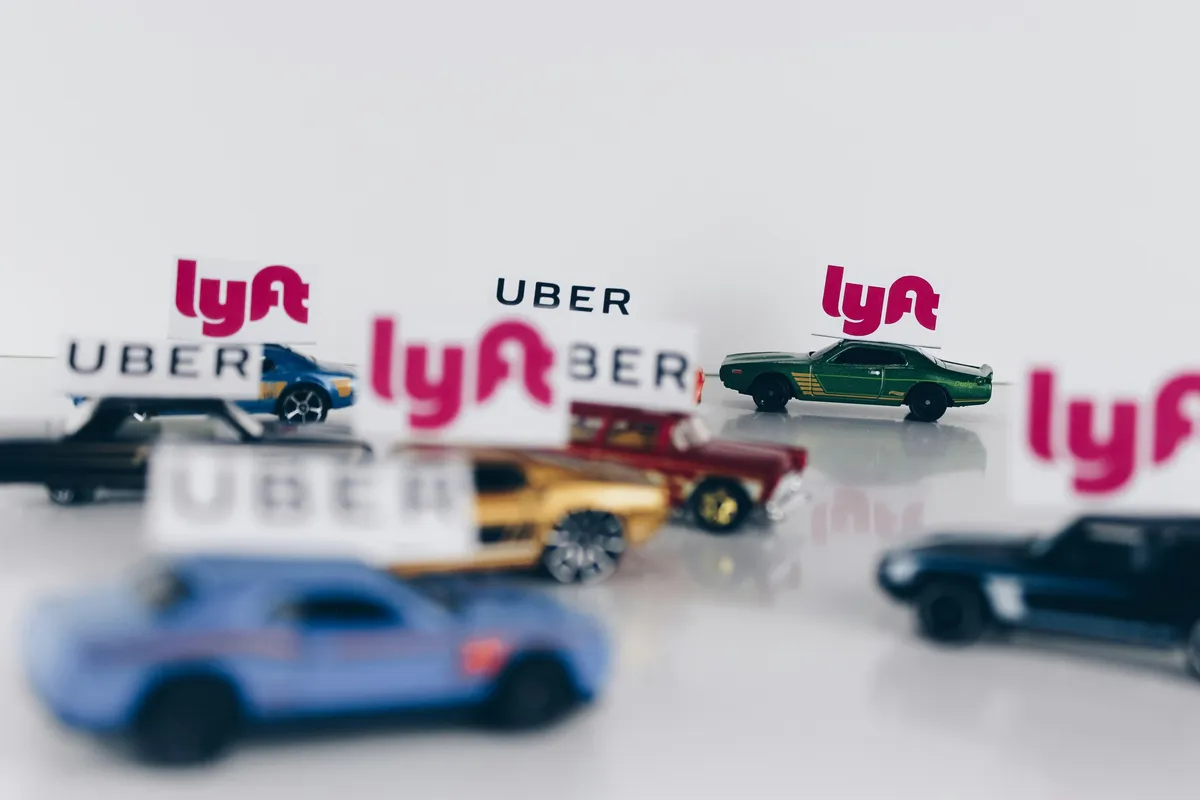
Remember when Uber and Lyft promised flexible work and a boost for local economies? Well, a new study suggests they actually delivered. Turns out, your late-night ride home might be doing more than just saving you from surge pricing.
Researchers from Carnegie Mellon and Oxford Saïd Business School decided to finally put those claims to the test. They looked at 167 U.S. metropolitan areas where ride-hailing services launched between 2010 and 2019. By comparing cities before and after Uber and Lyft rolled in, they could pinpoint exactly what changed. It’s like a before-and-after photo, but for GDP.
The Gig Economy Gets a Nod
The findings, published in Nature Cities, are pretty clear: when ride-hailing arrived, two things consistently went up. First, the regional GDP per person saw a bump. More money moving around, essentially. Second, there was a noticeable increase in seasonal, temporary, or intermittent jobs. Think: your cousin driving on weekends to pay for that new espresso machine.
We're a new kind of news feed.
Regular news is designed to drain you. We're a non-profit built to restore you. Every story we publish is scored for impact, progress, and hope.
Start Your News DetoxWhile the study didn't find a massive jump in overall employment or wages (it's not a magic bullet for unemployment), it did confirm that flexible work options expanded. And that extra cash floating around? It seems people just travel more easily, sparking new economic activity.
Jeremy Michalek, a professor at Carnegie Mellon, noted that these platforms have always claimed to boost cities and offer flexible gigs. "Our data supports these claims," he said. Which, if you're a gig worker, probably feels like a nice pat on the back from the ivory tower.
More Than Just a Ride
The rise in GDP isn't just about drivers making a few extra bucks. It suggests broader ripple effects. People are taking trips they might have skipped before, workers are getting to jobs more easily, and cities are seeing new spending. All because getting around became a little less of a headache.
Before you ask, the researchers checked if Uber and Lyft simply launched in cities that were already booming. Nope. No significant pre-existing trends in employment or wage growth were found. So, it seems the changes were indeed spurred by the arrival of the ride-hailing giants.
Michalek pointed out that while ride-hailing has certainly disrupted the taxi industry and, yes, sometimes increased traffic, it's also been linked to reducing discrimination and even intoxicated driving. And now, we can add a tangible economic boost to the list. So, next time you hail a ride, know you're not just getting from A to B; you're contributing to a subtly shifting economic landscape. Just try not to think about it too hard when you get stuck in rush hour.