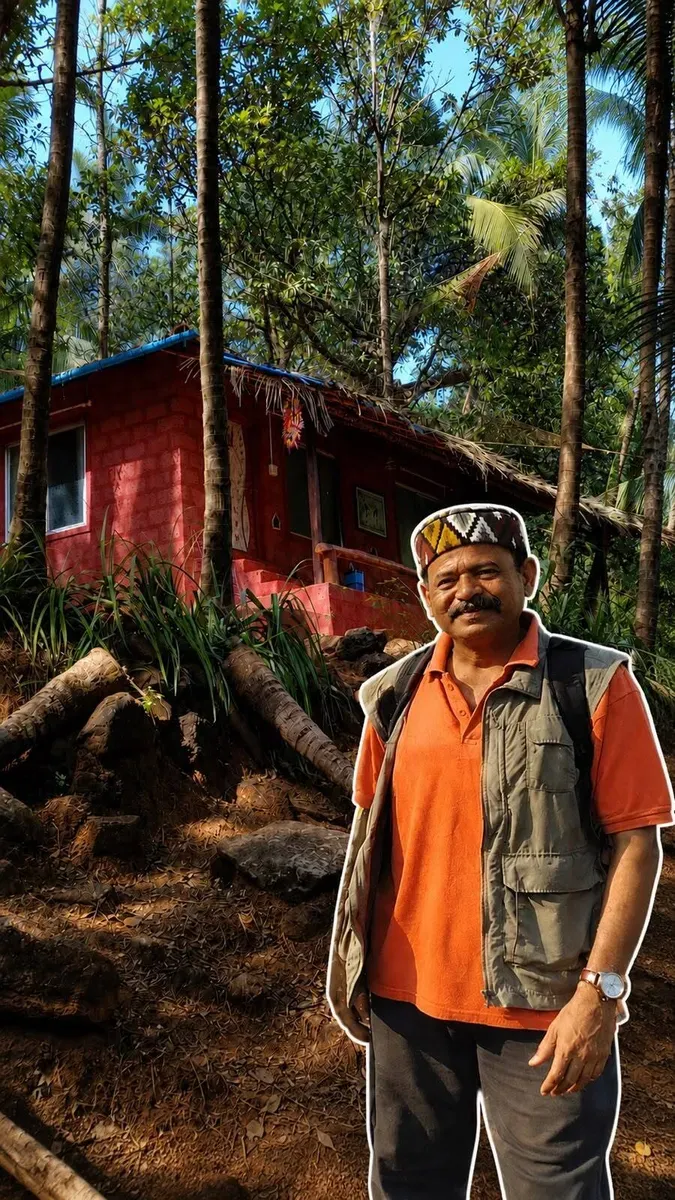
When Ashley Eklin was diagnosed with multiple sclerosis in 2022, it changed her perspective. Living in the Chicago area, she decided to pursue her dreams, which included moving East. A colleague told her about Ascend West Virginia, a program offering cash and other benefits to people willing to move there.
Eklin applied and was accepted. She bought a house in Inwood, West Virginia, without ever seeing it in person. Three years later, she lives there with her two pets and her fiancé, who also moved from Illinois. She enjoys kayaking, hiking, and astrophotography, far from city lights.
Attracting New Residents
Ascend West Virginia is one of many programs that started during the pandemic. Millions of Americans began working remotely and looked for new places to live. States like Indiana, Kansas, and Kentucky offered financial incentives to attract these workers. The goal was to boost local economies with new residents who would benefit from a lower cost of living.
We're a new kind of news feed.
Regular news is designed to drain you. We're a non-profit built to restore you. Every story we publish is scored for impact, progress, and hope.
Start Your News DetoxWest Virginia has faced challenges, with its population shrinking by over 4% in the last decade. It is the only U.S. state with fewer people now than in 1950. The state also ranks high in poverty. However, it offers a much lower cost of living than nearby Washington, D.C., and boasts rugged mountains, whitewater rivers, and vast forests.
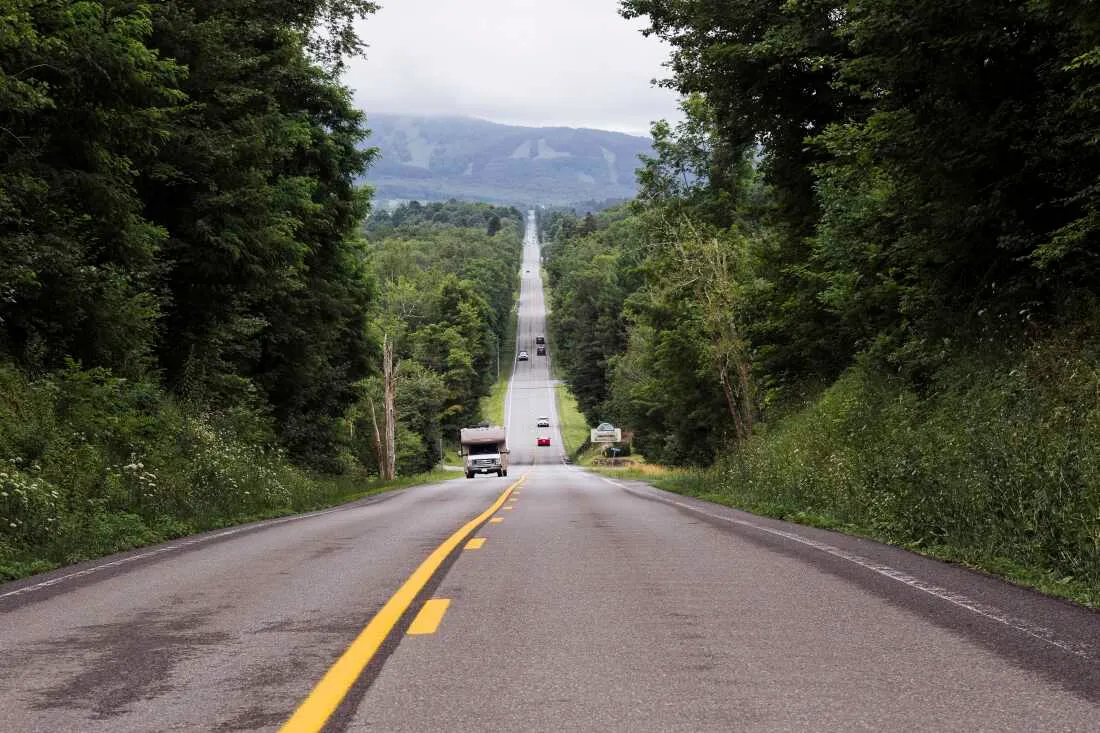
The Ascend West Virginia program began in 2021. It was inspired by the state's outdoor recreation opportunities. Danny Twilley, an assistant vice president at West Virginia University, helped create the program. He noted that West Virginia has some of the best outdoor recreation in the country.
The program offers successful applicants $12,000 over two years. Participants must show they can support themselves in the state. Evan Starr, a professor at the University of Maryland, says the money acts as a marketing tool, making people consider places they might not have before.
The Wing 2 Wing Foundation, started by former Intuit CEO Brad D. Smith and his wife, Alys, funded Ascend West Virginia with an initial $25 million. Smith, a West Virginia native, wanted to create opportunities for people to stay in or return to the state.
The program's success has led to spin-offs. First Ascent aims to keep West Virginia college graduates in the state. Teachers Ascend recruits teachers, and Ascend Heroes attracts military veterans.
Abby Snyder and her husband, Colin Scott, were digital nomads living in Portugal. They heard about Ascend West Virginia and decided to move to Lewisburg, West Virginia. They wanted to build a community and contribute to environmentalism and art. Snyder noted that despite political differences, people in West Virginia have been welcoming. They are now building a home near the Cranberry Wilderness.

Lasting Impact and Economic Boost
Despite initial doubts, programs like Ascend West Virginia have shown high retention rates and economic benefits. A remarkable 96% of West Virginia's participants stay in the state after their two-year commitment. "Ascenders" also get access to coworking spaces and two years of free outdoor recreation and gear rentals.
Chipper Thurber, who edits promotional videos, moved his family from Pennsylvania to Fairmont, West Virginia. He initially thought the incentives were "too good to be true" but was mainly drawn by the outdoor opportunities.

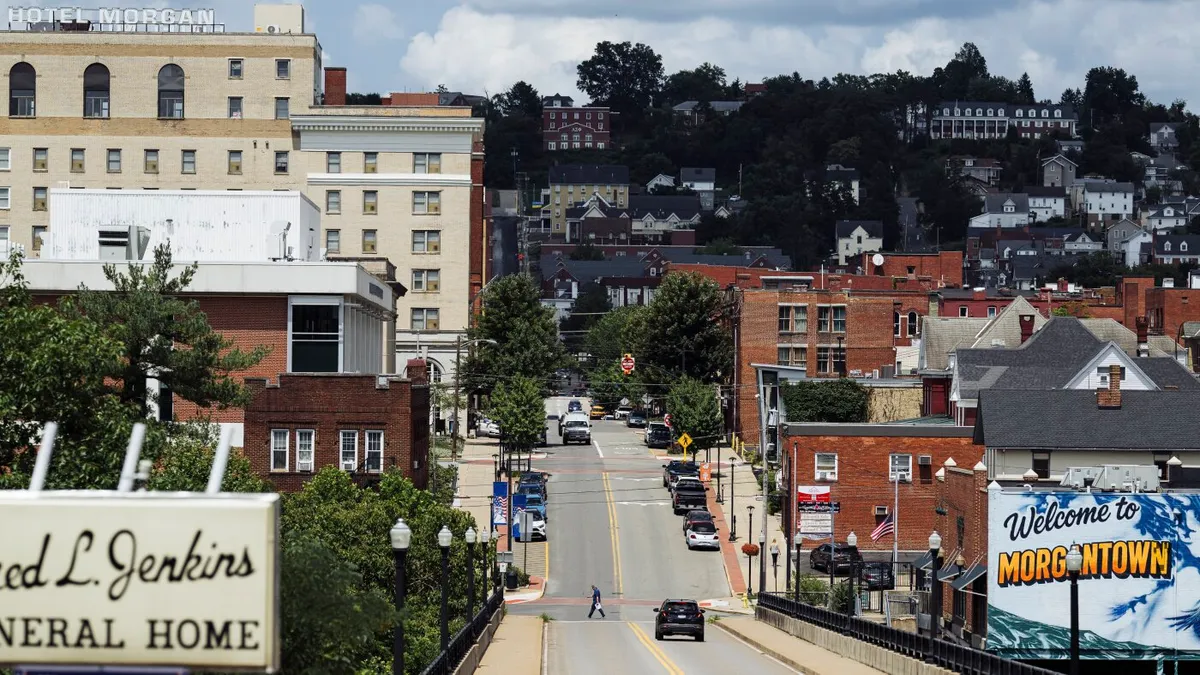
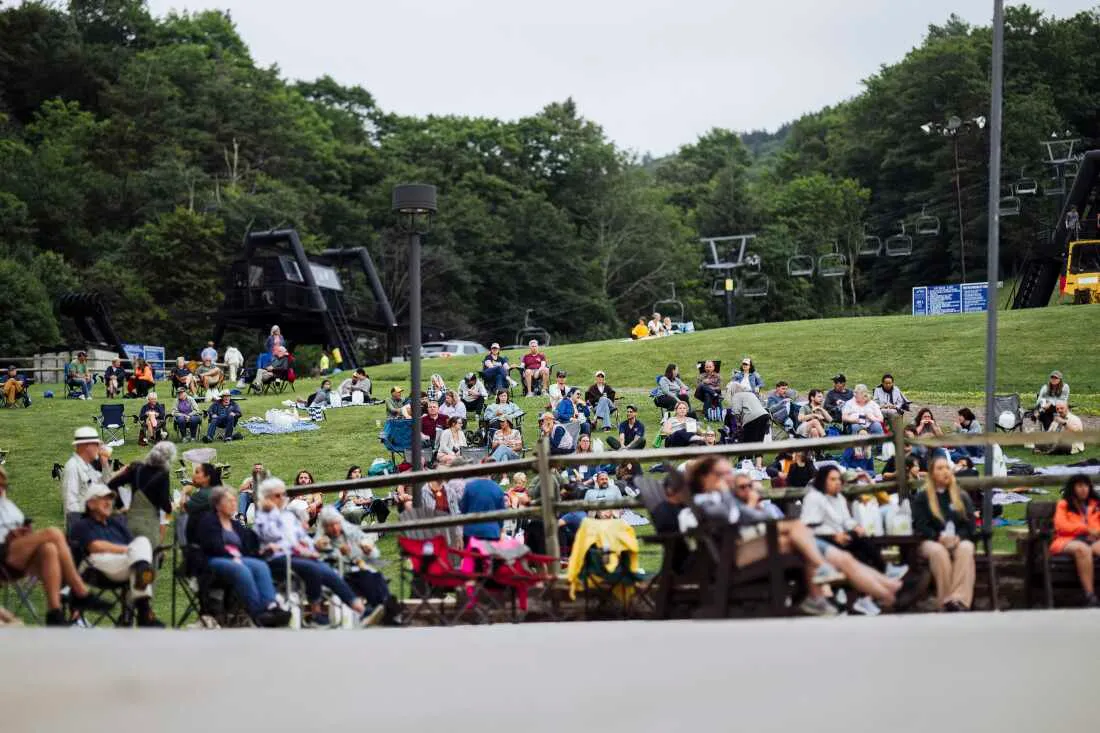
Kimberly and Andrew Ayers, who met on West Virginia University's ski race team, also returned to the state. They moved from Pennsylvania to Morgantown. Both are avid trail runners and appreciate the coworking spaces provided by the program.
Ascend West Virginia aimed to attract 1,000 remote workers and is now planning for another 1,000. It has received about 88,000 applications and brought over 700 participants to the state. Their average income is around $100,000, nearly three times West Virginia's per capita average. Including family members, over 1,500 new residents have arrived.

The economic impact has been significant. A 2023 West Virginia University study estimated participants contributed about $580 million to the economy. This includes money spent on housing, local businesses, and state income taxes. Updated estimates place the figure closer to $750 million.
The program's success mirrors Tulsa Remote, which launched in 2018 and has attracted over 4,000 participants with a $10,000 incentive. Conor Godfrey and his wife, Mica, moved from Washington, D.C., to Tulsa in 2021 through the program. Godfrey, who founded his own startup, Dockware, noted the city's "startup" energy.
Other programs, like Remote Shoals in Alabama and Vermont's Worker Relocation Incentive Program, have ended due to funding issues. However, they still had positive effects. Adam Himber, vice president of the Shoals Economic Development Authority, said the Alabama program helped market the community. Many people moved there even if they weren't accepted into the program.
Vermont Treasurer Mike Pieciak noted that while their program brought in hundreds of people, the state needed tens of thousands to make a significant difference. Vermont also lacks the large cost-of-living difference seen in places like Oklahoma or West Virginia.
Despite some employers now requiring hybrid schedules, Ashley Eklin, who commutes three times a week to the D.C. area, plans to stay in West Virginia. She calls her home a "sanctuary."
Deep Dive & References
- Study on Effectiveness of Incentive Programs in Attracting New Workers 2021 - Vermont Department of Financial Regulation, 2021
- Ruby: Ascend WV has become nationwide talent attraction model - WV News
- Is the population growing or shrinking? - USAFacts
- WV ranks near bottom of country for education outcomes as childhood poverty increases, data shows - West Virginia Watch
- Income by Zip Code - Income by Zip Code