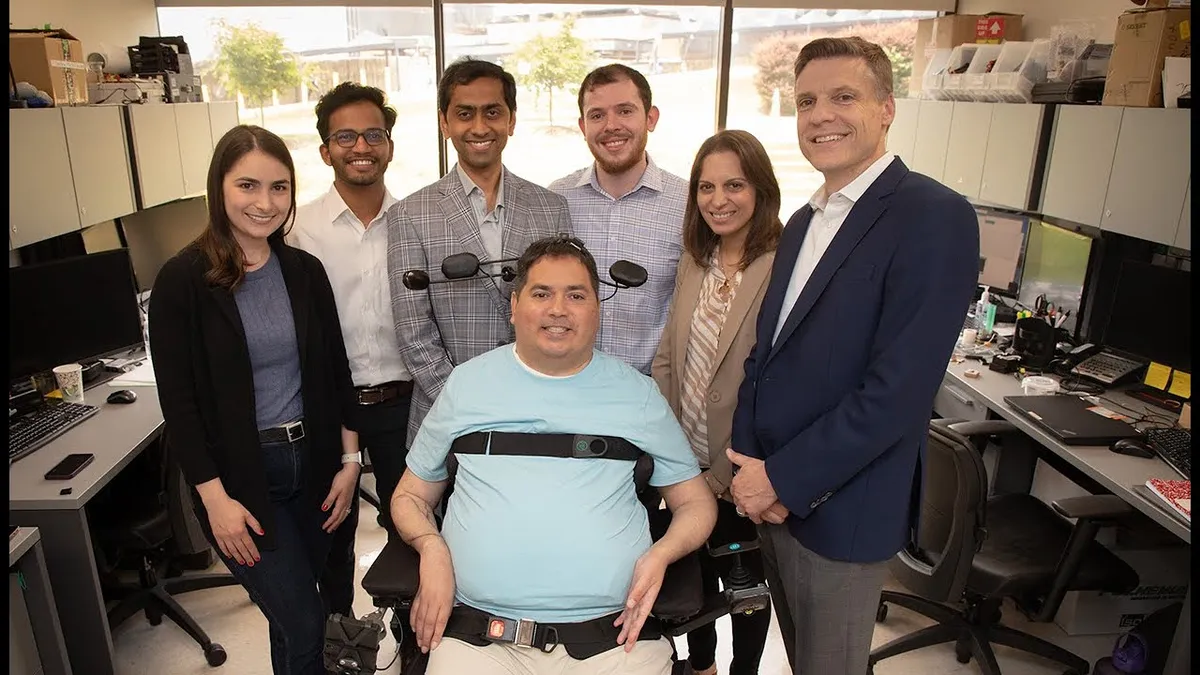
Holly Warren, a medical director in rural Lenoir County, North Carolina, focuses on treating opioid use disorder (MOUD). She realized that her medical school training two decades ago barely touched on addiction medicine. Now, she's part of a network changing that.
The NC STAR Network
The NC STAR Network helps expand access to addiction treatment across North Carolina. It started after a federal change in 2023. This change made it easier for healthcare providers to give buprenorphine, a key medication for opioid use disorder.
The network includes three main hubs: medical schools at UNC Chapel Hill and East Carolina University, and the Mountain Area Health Education Center (MAHEC). These hubs partner with healthcare practices statewide. Their goal is to train and support primary care providers to offer MOUD.
We're a new kind of news feed.
Regular news is designed to drain you. We're a non-profit built to restore you. Every story we publish is scored for impact, progress, and hope.
Start Your News DetoxThe network first received money from the Foundation for Opioid Response Efforts. This foundation sees it as a good example for the Rural Health Transformation Program. This program will invest $50 billion over five years to improve rural healthcare. North Carolina's Department of Health and Human Services now funds the network.
A Hub-and-Spoke Approach
Claire West, the NC STAR Network's director, believes addiction medicine is central to primary care. She says addiction is a chronic disease, like diabetes or heart disease. It should be treated as part of a person's overall care.
The NC STAR Network uses a "hub-and-spoke" model, inspired by Vermont's approach to opioid use disorder. The hubs offer full care, training, and support. The "spokes" are community practices that provide ongoing care.
Gabriela Castro, a family medicine physician and data team lead for the network, explains that the relationship is a two-way street. Hubs don't just provide; spokes also share what works in their communities.
The network now reaches 88 of North Carolina's 100 counties. From July 2024 to June 2025, the hubs treated 1,400 patients. Spoke sites treated over 4,000 patients.
Treatment in Primary Care
The NC STAR Network team thinks primary care is the best place for addiction medicine. Patients often have a long-standing, trusting relationship with their primary care doctor. This helps frame substance use disorder as one part of a person's complex health.
Castro emphasizes, "Any door should be the right door when somebody wants treatment." Research shows that patients getting MOUD in primary care stay in treatment as long as those in specialty care. They also report being happier with the experience.
Putting addiction medicine into primary care also helps reduce the shame around treatment. Castro notes that when it's separate, it's harder to access and feels shameful. In a primary care office, patients are already there for other conditions and feel more comfortable.
Claire West says this approach lets her offer comprehensive care. She can screen and treat for HIV and hepatitis. She can also help patients with housing if they need to stay awake for safety, rather than stopping methamphetamine use.
Reaching Rural Areas
Rural America often lacks healthcare services, including MOUD. MAHEC plays a key role in addressing this in Western North Carolina. MAHEC aims to place healthcare professionals in rural areas and give them the tools to stay. Addiction medicine is now part of this effort.
Karen Scott, president of the Foundation for Opioid Response Efforts, says the network is a good investment. It reaches many people through various access points like MAHEC, medical centers, and local health departments. This allows primary care doctors to get expert advice.
Zach White, MAHEC's opioid dependence treatment program coordinator, often heard new MOUD patients say they didn't have a primary care provider. He sees this as an opportunity. Patients who have used substances for years often haven't focused on their overall health.
Ken Shatzkes, a program director at the Foundation for Opioid Response Efforts, hopes other states will use the NC STAR Network as a model. He believes the successful elements of this network are present in other states' plans for rural health funding.
A Better Way to Practice Medicine
Castro says treating substance use disorder as a chronic condition has changed how her practice handles other conditions. It helps them meet patients where they are. They offer support and help with navigating the healthcare system. She feels it has made her a better primary care physician.
The NC STAR Network continues to grow. Sandy Thomas-Montilus, an internist and NC STAR community partner, stresses the importance of networking. She believes it expands access to treatment and helps reduce the stigma around addiction.
Thomas-Montilus notes that some medical professionals still have negative views about treating people with addiction. She feels the profession owes it to patients to be proactive, especially given the role prescription opioids played in the crisis.
Holly Wilson, who now practices addiction medicine, finds it "pretty cool" to see lives change quickly with evidence-based care. She says it's rewarding to see people heal from a chronic illness.