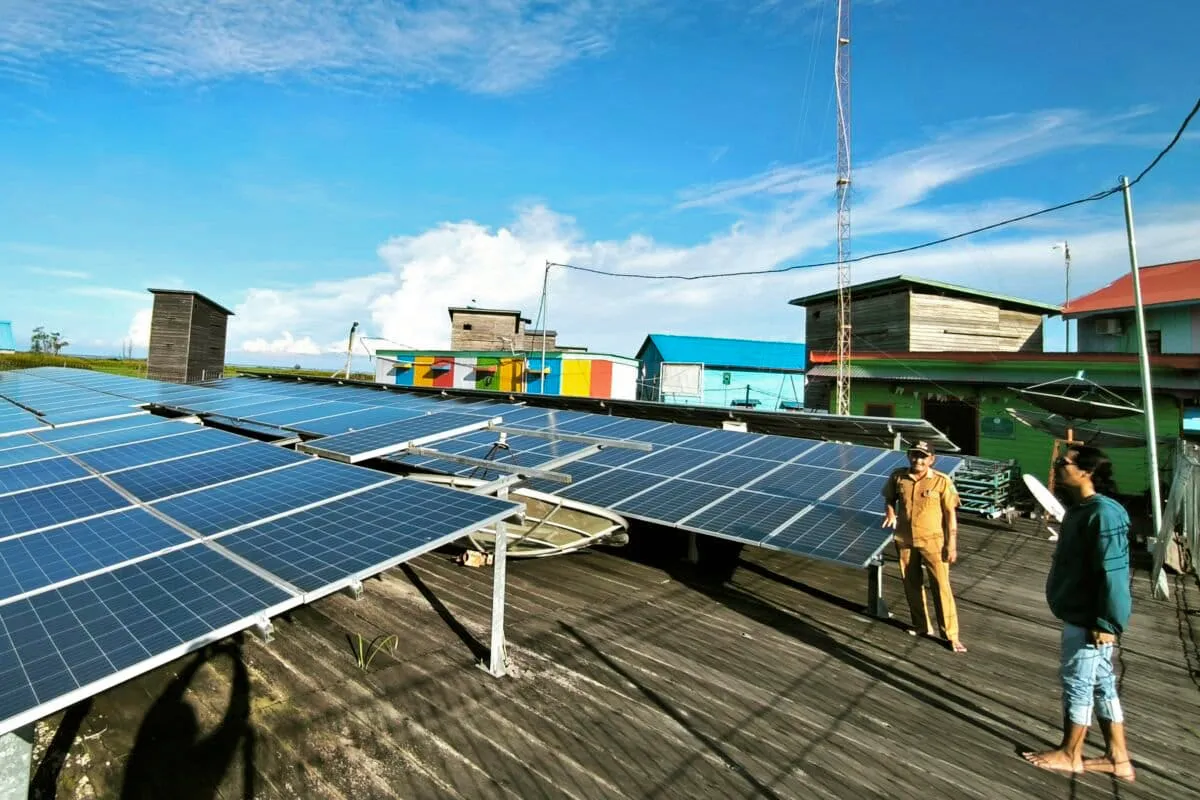
Imagine a village built entirely over water, powered by noisy, expensive diesel generators that only flicker on at night. Now imagine that same village, bustling 24/7, thanks to the sun — and a group of women who decided to take charge.
That's Muara Enggelam, a remote spot in East Kalimantan, Indonesia. For years, its residents were effectively off the grid, relying on a cacophony of generators that made business tough and life, well, dark. Diesel was pricey, unreliable, and a constant worry.

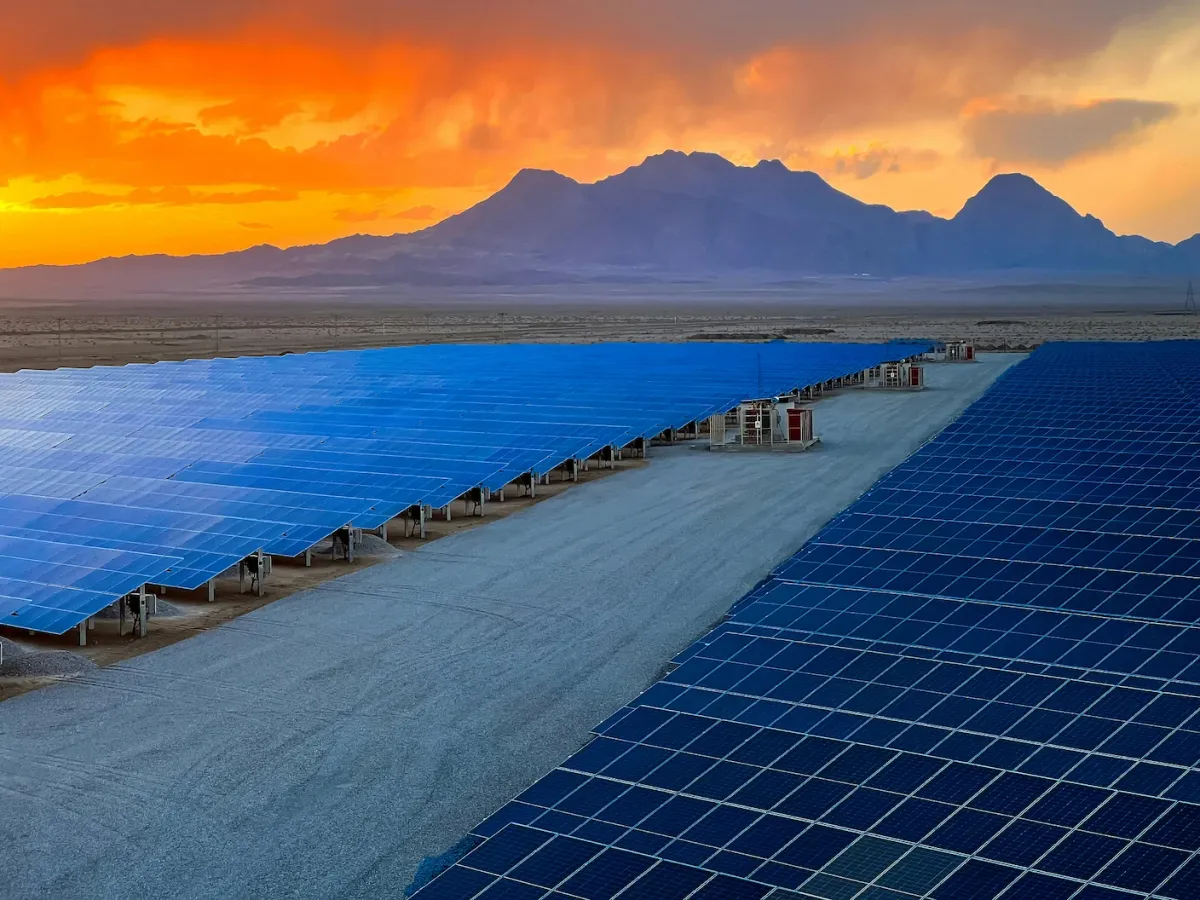
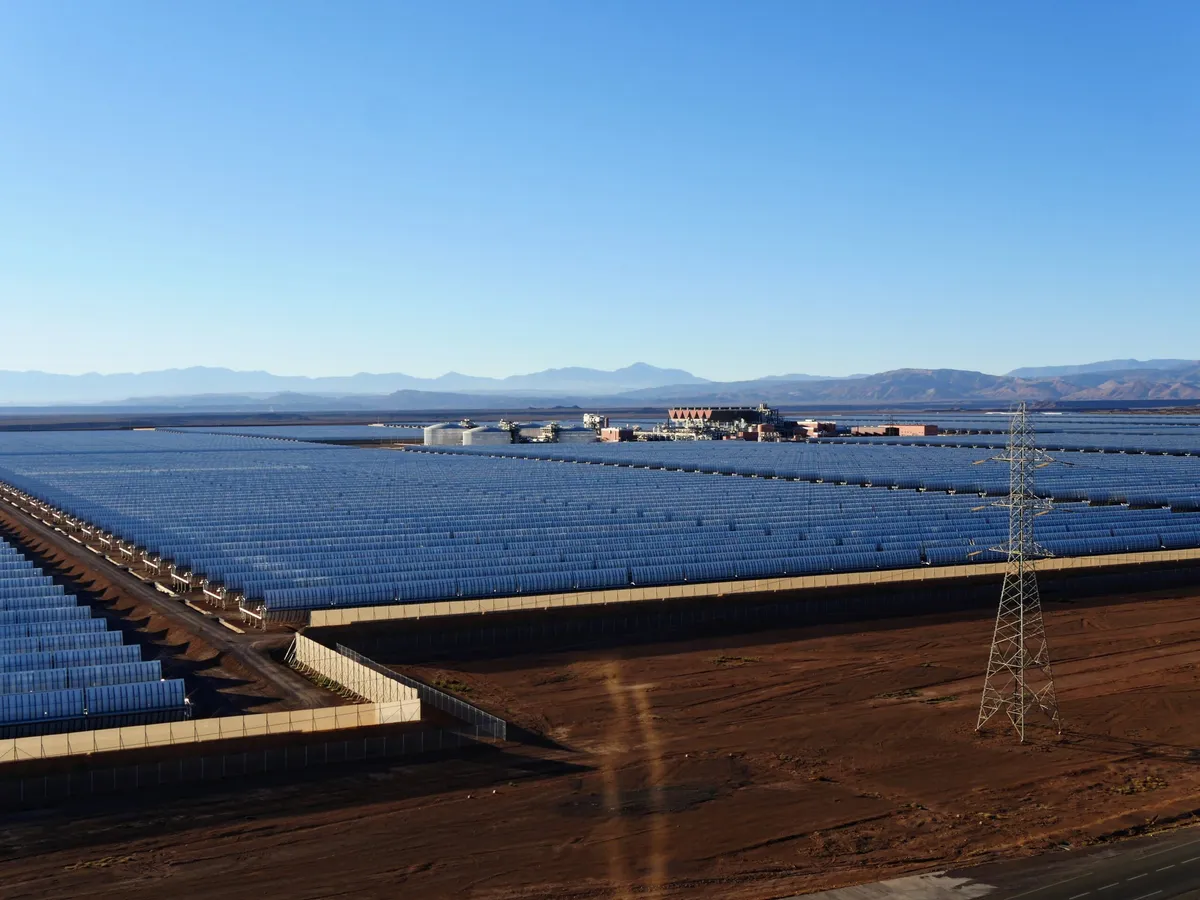
Then, in 2015, the Indonesian energy ministry stepped in with a solar power system. Suddenly, Muara Enggelam had what most of us take for granted: round-the-clock electricity. Which, if you think about it, is a pretty monumental upgrade.
We're a new kind of news feed.
Regular news is designed to drain you. We're a non-profit built to restore you. Every story we publish is scored for impact, progress, and hope.
Start Your News DetoxFor Asniah, a mother of three, it meant ditching the hand-grinding and firing up electric blenders to make amplang, her popular fish crackers. "A liter [of diesel] wouldn't last an hour — now it's much more convenient," she said, probably while simultaneously running her new food stall and managing an online clothing shop she promotes on social media. Because apparently, that's what you do when the lights stay on.
Leading the Charge, Literally
What makes this story even more, shall we say, illuminating? The entire solar system is managed by a village-owned company called BUMDes, and it's led by a woman named Jam'ah. This is less common than you might think; women make up less than 5% of energy managers across Indonesia, according to the UN Development Program. Jam'ah and her team are proving that the future of power might just be female.

"Using a generator was expensive, that's why so few people started businesses," Jam'ah noted. "The solar energy has been a relief for people." And it's not just about the convenience; it's about the economic ripple effect, powered by the sun and a village's determination. Who knew turning on a light could spark so much?