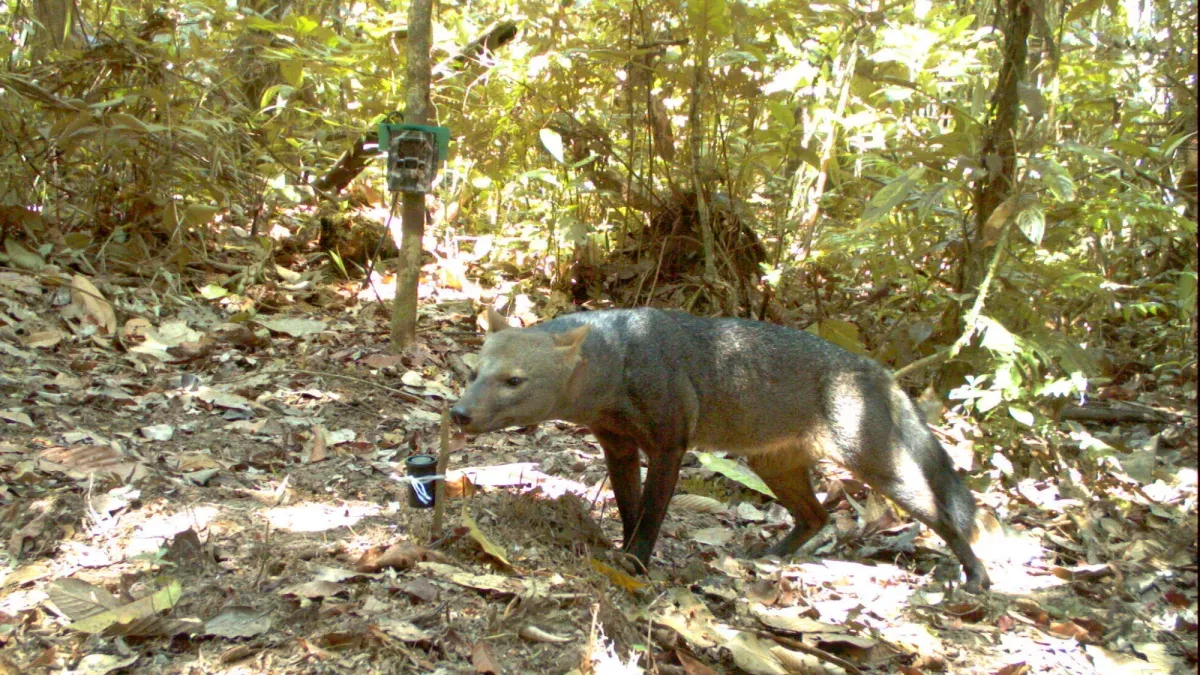
Deep in the Amazon, where the trees are thick and secrets are thicker, there’s an animal known as the "ghost dog." Its scientific name, Atelocynus microtis, sounds like a spell, which is fitting for a creature so notoriously shy, it makes introverts look like party animals. For decades, this short-eared dog has been one of the least-known carnivores on Earth.
Now, after nearly 25 years of playing hide-and-seek, researchers have finally pulled back the curtain on this mythical beast. And the big reveal? It’s not quite as rare as everyone thought. Which, if you’re a ghost dog, probably feels like a bit of a betrayal to your brand.
The Ghost Dog’s Big Debut
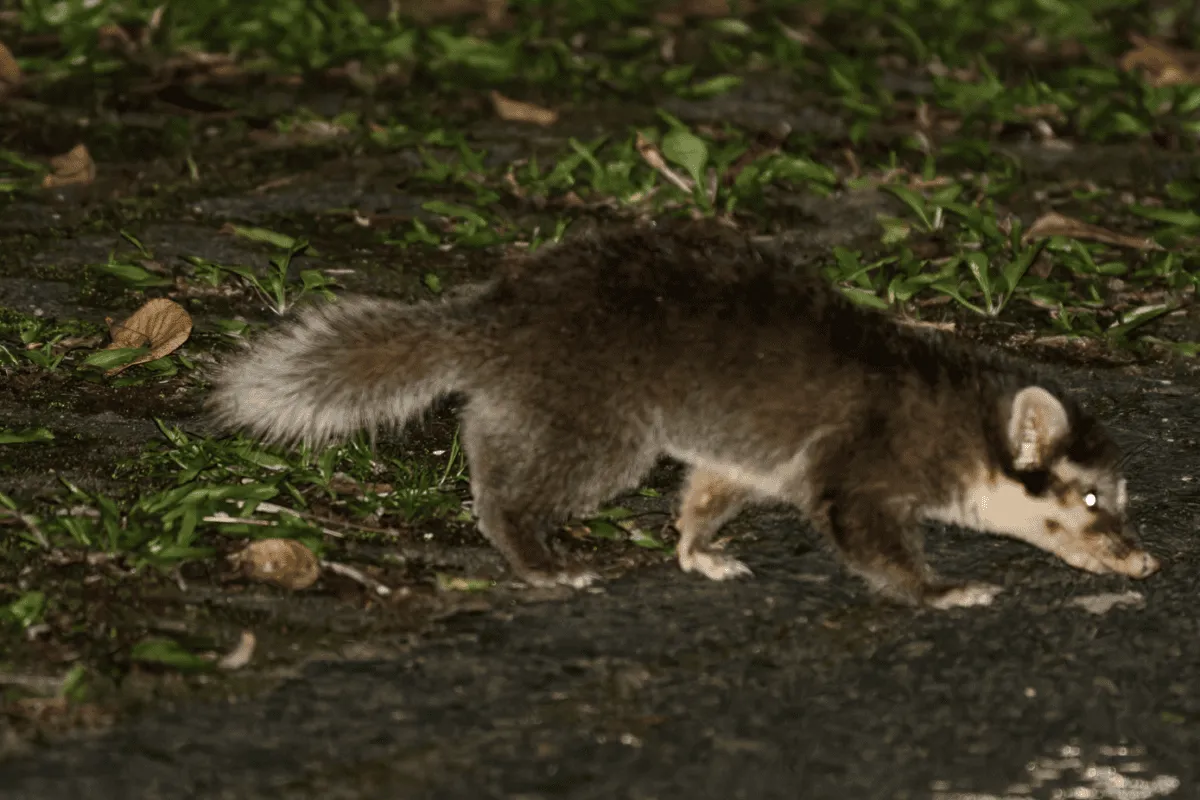
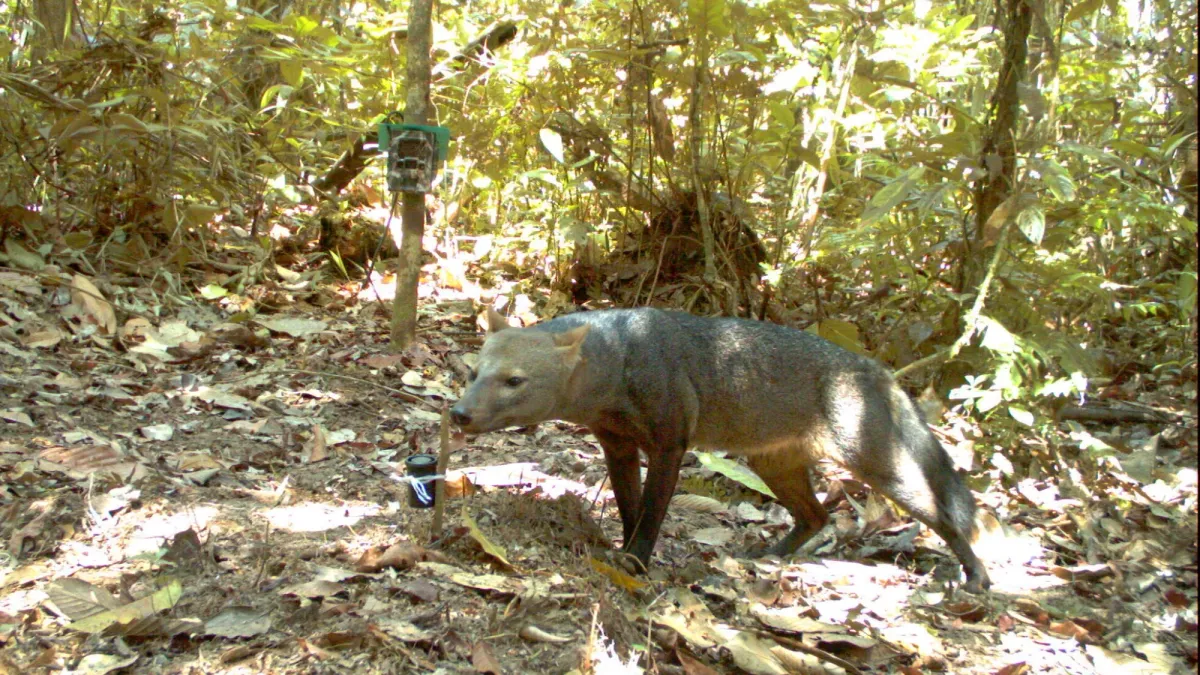
Scientists deployed camera traps across 34 surveys in the Bolivian and Peruvian lowlands. Over a quarter-century, they painstakingly collected 594 photos. These images captured the ghost dog in all its glory: a large head, small round ears, stubby legs, a long bushy tail, and a coat that ranges from a reddish-brown to a sophisticated blackish-gray. Oh, and partially webbed paws. Because why not?
We're a new kind of news feed.
Regular news is designed to drain you. We're a non-profit built to restore you. Every story we publish is scored for impact, progress, and hope.
Start Your News DetoxBased on this photographic evidence, researchers estimate roughly 15 ghost dogs roam every 38.61 square miles. Let that satisfying number sink in. This suggests the species isn't on the brink of vanishing, though it’s still more elusive than your average house cat. It’s likely more numerous than big cats like jaguars, but less common than medium-sized carnivores like ocelots.
Robert Wallace, a conservation scientist and lead author of the study, hailed the research as a "wonderful example" of how camera traps can unmask the Amazon’s most private residents. The study also revealed the ghost dog prefers to do its haunting between 6 a.m. and noon. Early risers, apparently.
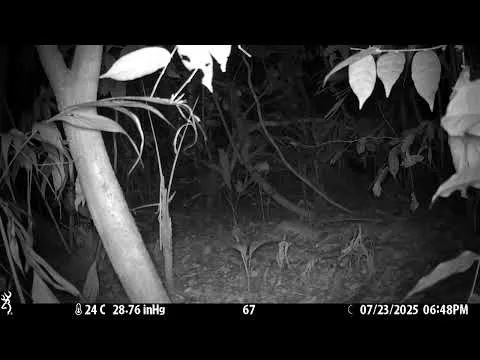
Despite those webbed toes, which might suggest a penchant for paddling, the short-eared dog is a true "forest specialist." It shuns rivers, preferring dense upland forests. This habitat choice, combined with its secretive demeanor, excellent hearing, and a nose that could probably sniff out your deepest fears, helps it expertly avoid humans. Which, frankly, is a skill many of us aspire to.
Discovering more about these creatures is crucial for protecting them. The study found the ghost dogs were more common in national protected areas and Indigenous territories. This means that if we want these mysterious canids to keep ghosting us for generations to come, safeguarding their homes is non-negotiable. Turns out, even the most elusive among us need a safe space.