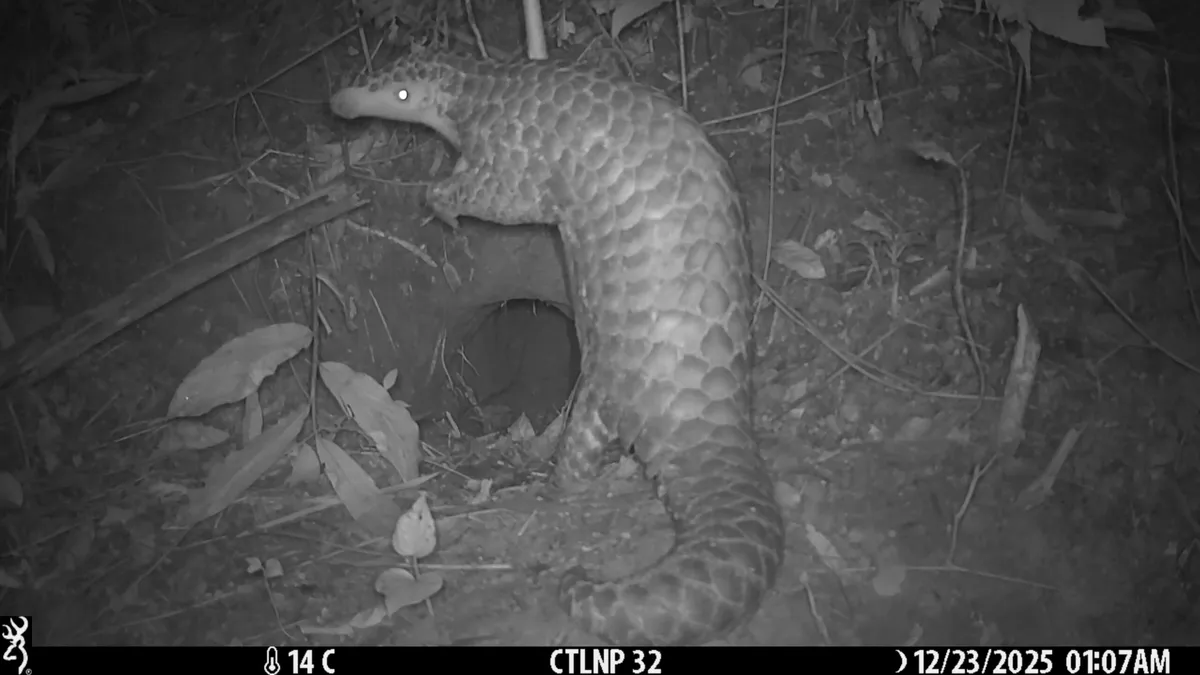
Imagine being sprung from a bad situation, then immediately fitted with a tiny backpack and sent back into the wild. That's essentially the new life for a couple of Chinese pangolins in a northeastern Bangladesh forest reserve.
These two scaly, ant-eating oddballs were plucked from the grim world of illegal wildlife trafficking. Now, scientists are tracking their every move with small radio transmitters. Why? Because when you're a critically endangered species, every wiggle, every burrow, every successful ant-hunt is crucial data.

The mission here is to figure out how these unique creatures — with their armored bodies, long snouts, and sticky tongues – actually survive after being released. It’s about boosting local pangolin populations, one tracked pangolin at a time.
We're a new kind of news feed.
Regular news is designed to drain you. We're a non-profit built to restore you. Every story we publish is scored for impact, progress, and hope.
Start Your News DetoxThe World's Most Wanted Mammal
If you're not familiar with pangolins, picture an artichoke that walks on four legs and has a tongue longer than its body. They're bizarre, endearing, and unfortunately, the most trafficked mammal on the planet. Their meat is considered a delicacy, and their scales are mistakenly believed to have medicinal properties in some traditional medicines in China and Vietnam. Which, if you think about it, is both tragic and absurd.
This relentless demand has pushed the Chinese pangolin to the brink. They're listed as critically endangered by the IUCN, thanks to poaching, habitat loss, and deforestation. Poaching was so rampant in China that it led to local extinctions, essentially forcing the hunters to look elsewhere – like Bangladesh.
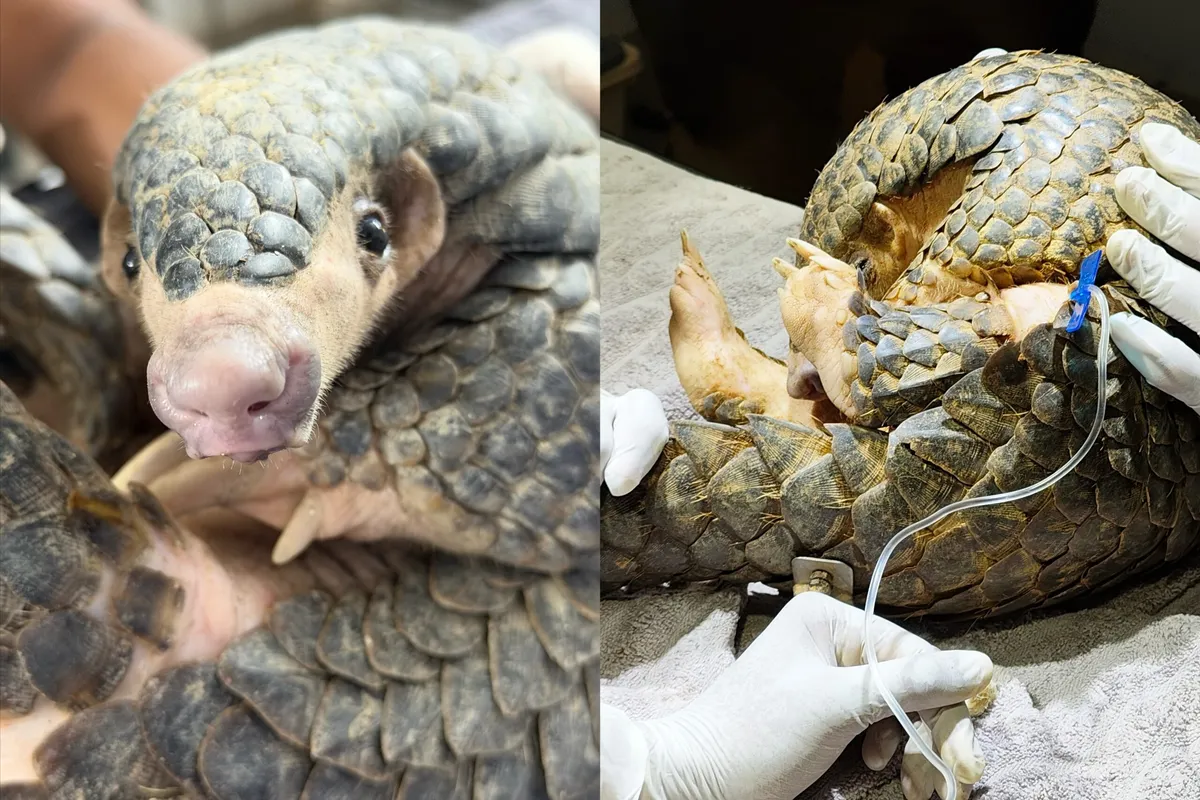
And here’s the kicker: we know shockingly little about pangolins in many of these regions. Shahriar Caesar Rahman, a conservation group CEO, put it bluntly: it's a massive knowledge gap. So, these two little radio-tagged pioneers aren't just getting a second chance; they're helping write the survival guide for their entire species. And that, frankly, is a job for a superhero.