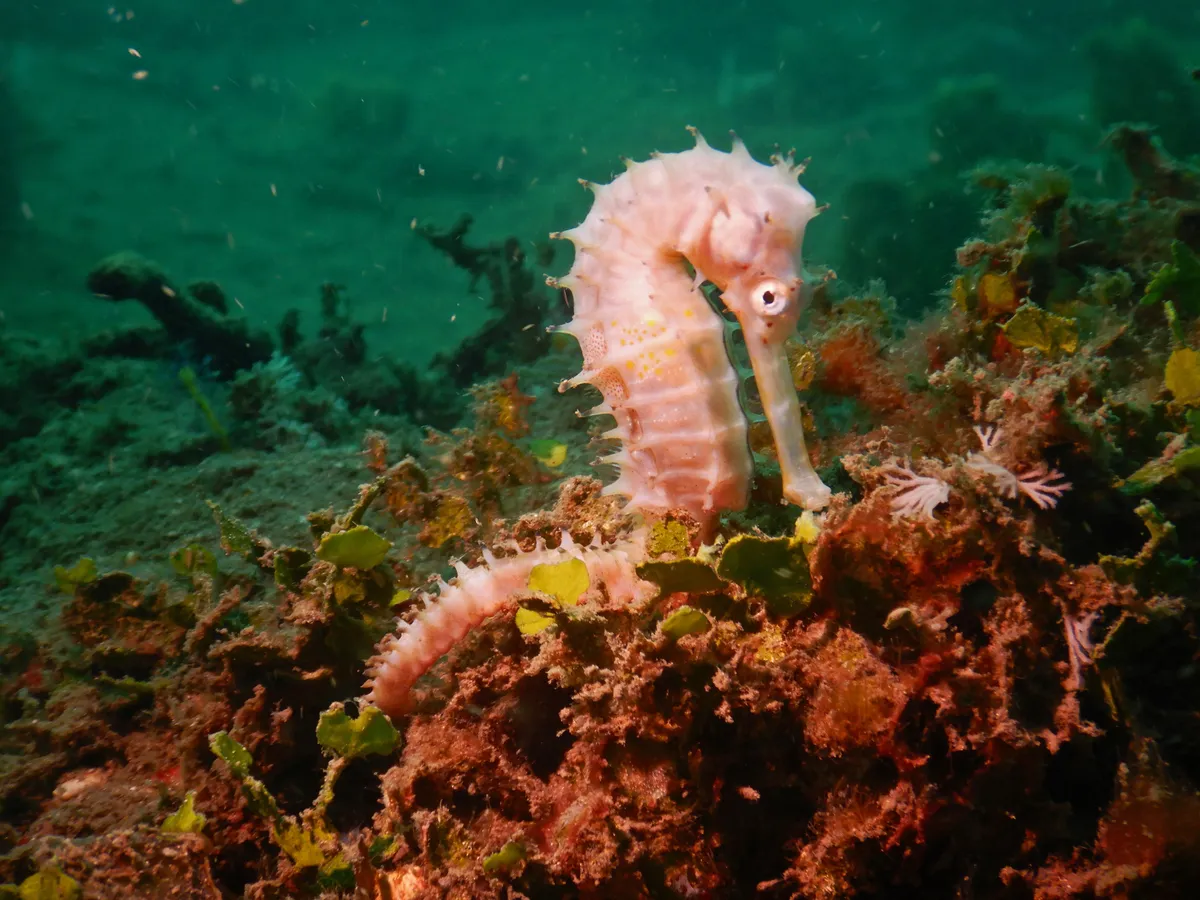
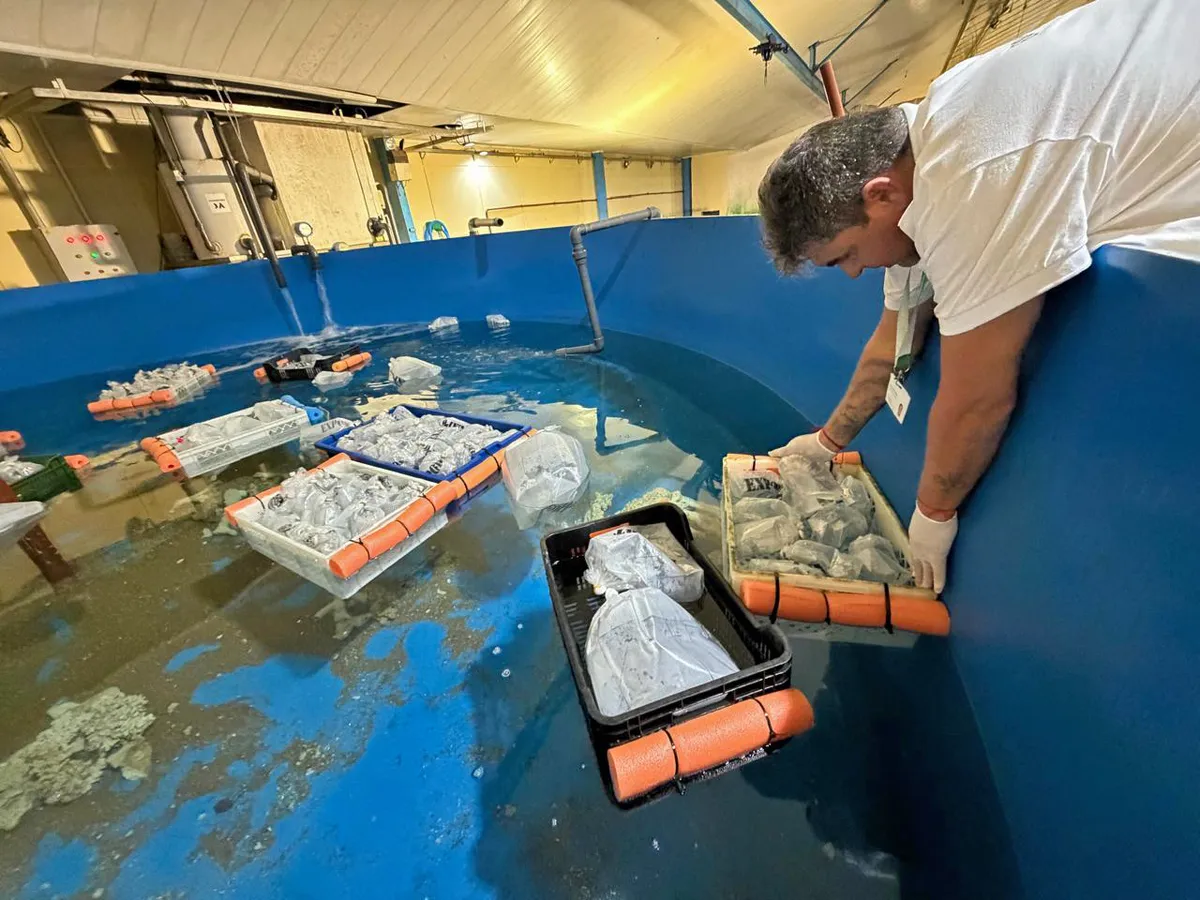
Picture this: Argentine officials at an airport near Buenos Aires stumble upon a shipment. Inside? A grim menagerie of dead and dying fish, octopuses, and crabs. So many, in fact, that a rescue center needed ten new tanks just for the survivors. And this wasn't a one-off; it was the third such seizure at that airport in a single year.
Marine wildlife trafficking is a booming, shadowy industry, driven by demand for exotic pets, gourmet ingredients, and dubious traditional medicines. A lot of this illicit cargo moves right under our noses, tucked into airplane luggage or airmail. The vast majority of these animals, living or not, simply slip through the cracks.
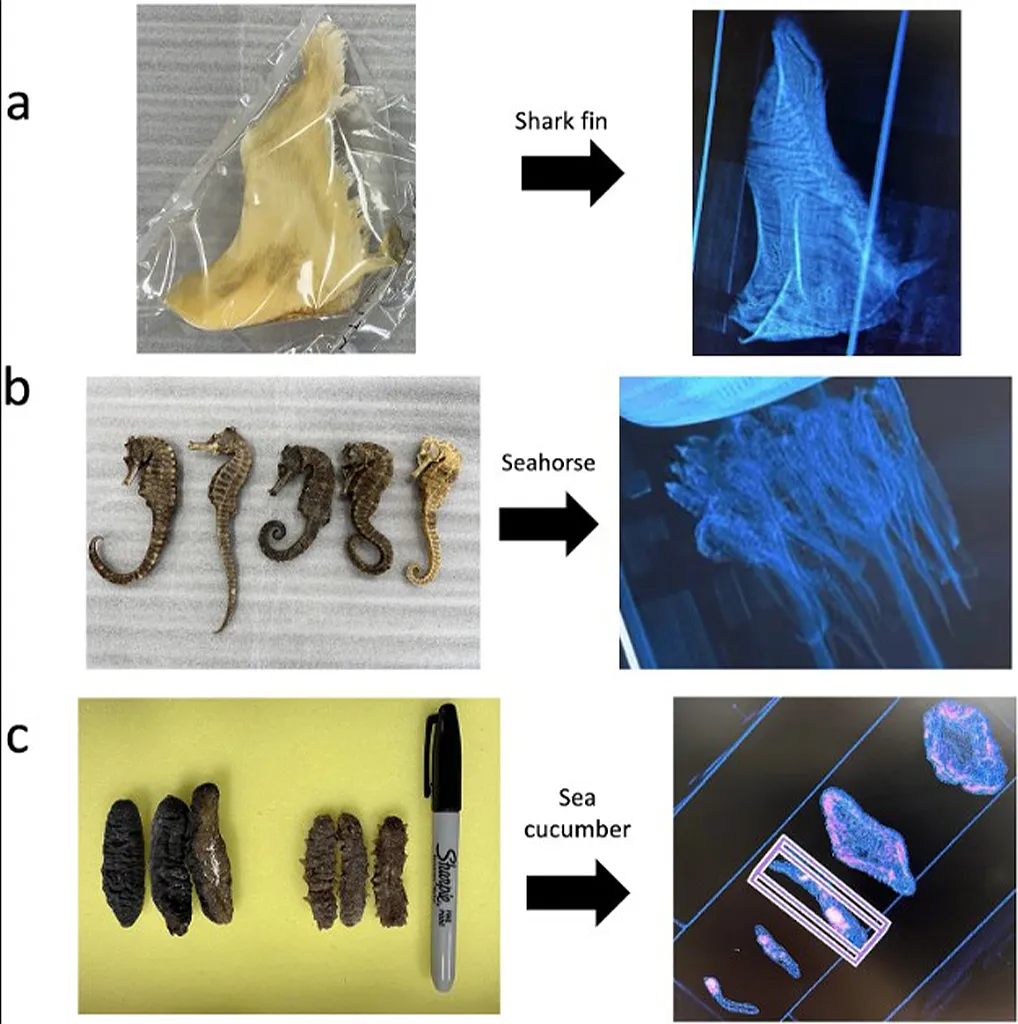
Enter the unlikely hero: artificial intelligence. An international team of researchers figured if they could teach AI to think like a trafficker, they might stand a chance. They trained an AI algorithm using 3D X-ray scans of common contraband like seahorses, shark fins, and sea cucumbers.
We're a new kind of news feed.
Regular news is designed to drain you. We're a non-profit built to restore you. Every story we publish is scored for impact, progress, and hope.
Start Your News DetoxThe results? Pretty wild. The AI successfully flagged these items between 86% and 96% of the time. Which, if you think about it, is both impressive and slightly terrifying.
Vanessa Pirotta, a marine biologist and the lead author of the study, points out that current detection methods are largely old-school: human inspections and biosecurity dogs. Effective, but prone to human error and, well, dogs getting distracted.
She envisions AI working as a super-smart assistant, augmenting our existing defenses rather than replacing them entirely. It's not a silver bullet, but it's a significant upgrade in a fight where the bad guys keep getting more creative. It means fewer creatures ending up in a suitcase, and more staying where they belong: in the ocean.