Imagine a fox, sniffing around a sandy riverbank, nose twitching. It catches a whiff of something intriguing — a faint, sweet vanilla scent. Digs it up, expecting a tasty turtle egg, and instead gets a mouthful of… fake egg. And then, a sudden, powerful wave of nausea.
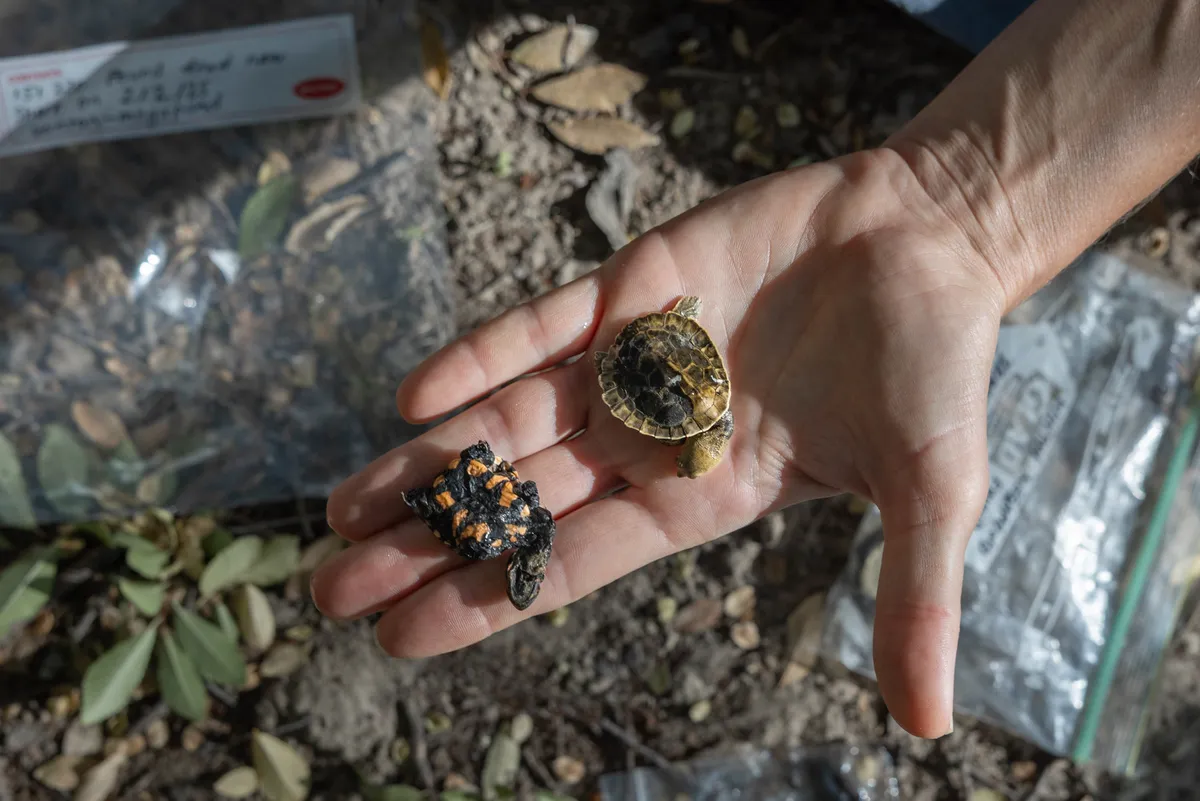
Welcome to the slightly absurd, deeply clever world of Australian scientists trying to save freshwater turtles. Biologist Ligia Pizzatto and her team at La Trobe University are essentially creating a culinary booby trap for foxes, hoping to teach them that turtle nests are a one-way ticket to a very bad day.
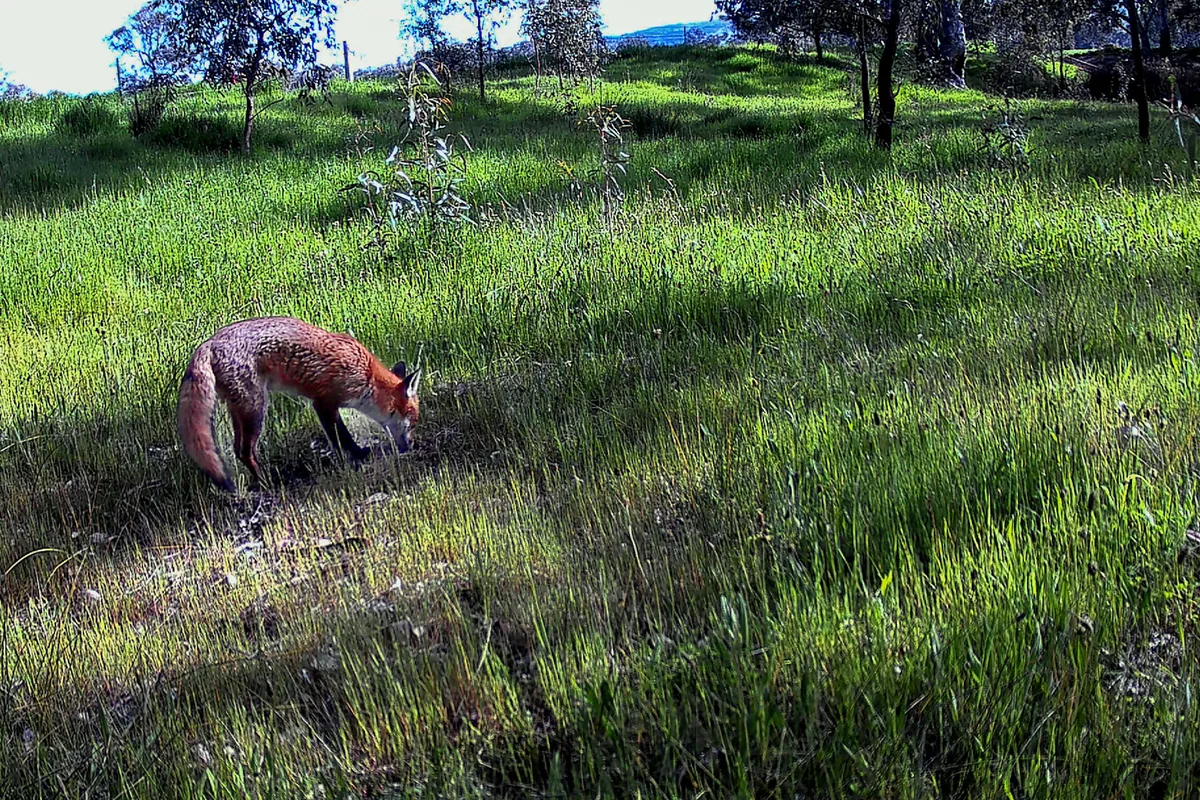
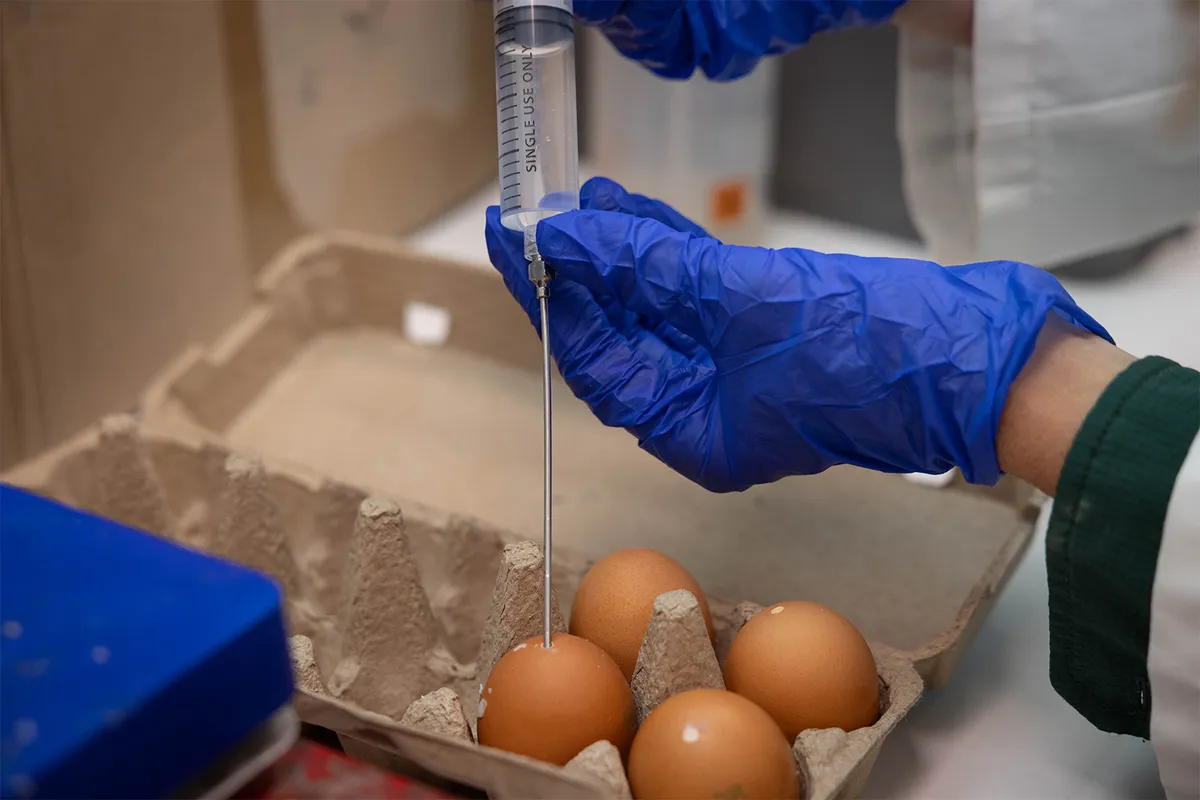
Here’s the setup: Pizzatto buries a chicken egg laced with a nausea-inducing chemical (think the world's worst food poisoning, but for foxes). Then, she sprays the spot with a distinct vanilla scent. The idea is to create a strong, negative association between that smell, the taste of an egg, and feeling utterly terrible. The hope? Foxes will eventually connect any vanilla scent with impending doom and steer clear of actual turtle nests.
We're a new kind of news feed.
Regular news is designed to drain you. We're a non-profit built to restore you. Every story we publish is scored for impact, progress, and hope.
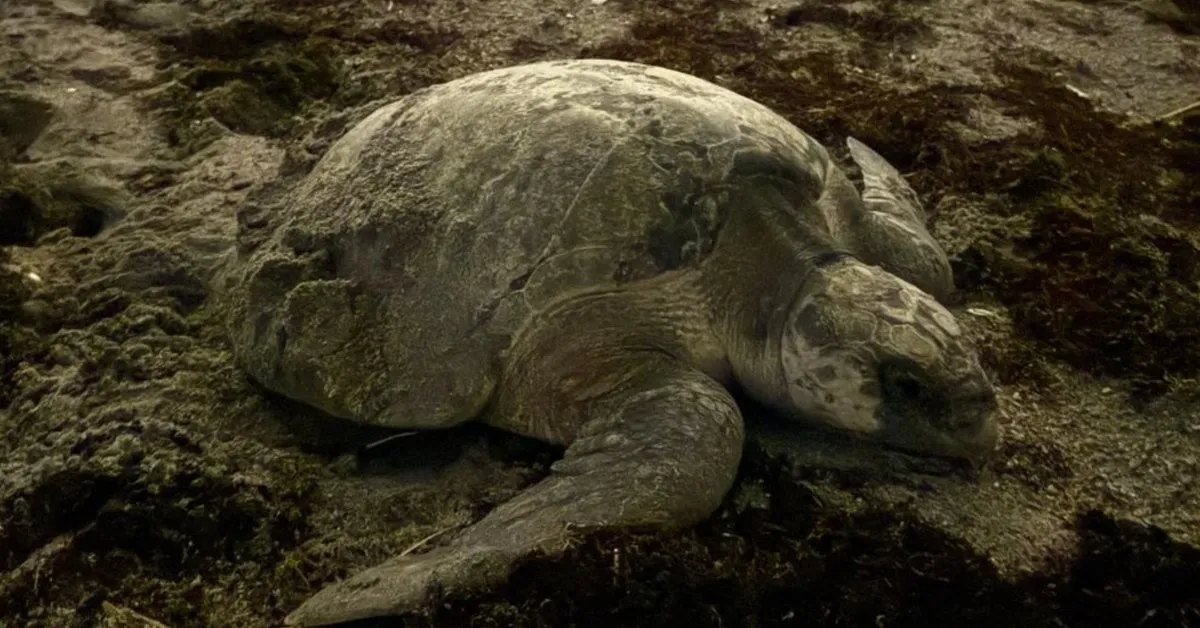
Start Your News DetoxThe stakes are surprisingly high. Australian freshwater turtles in the vast Murray-Darling River Basin are having a rough time. Their numbers are plummeting, and the primary culprits are introduced predators, specifically foxes. These cunning canids aren't just snatching adult turtles; they're also experts at sniffing out and devouring entire clutches of eggs. It’s a buffet for them, a disaster for biodiversity.
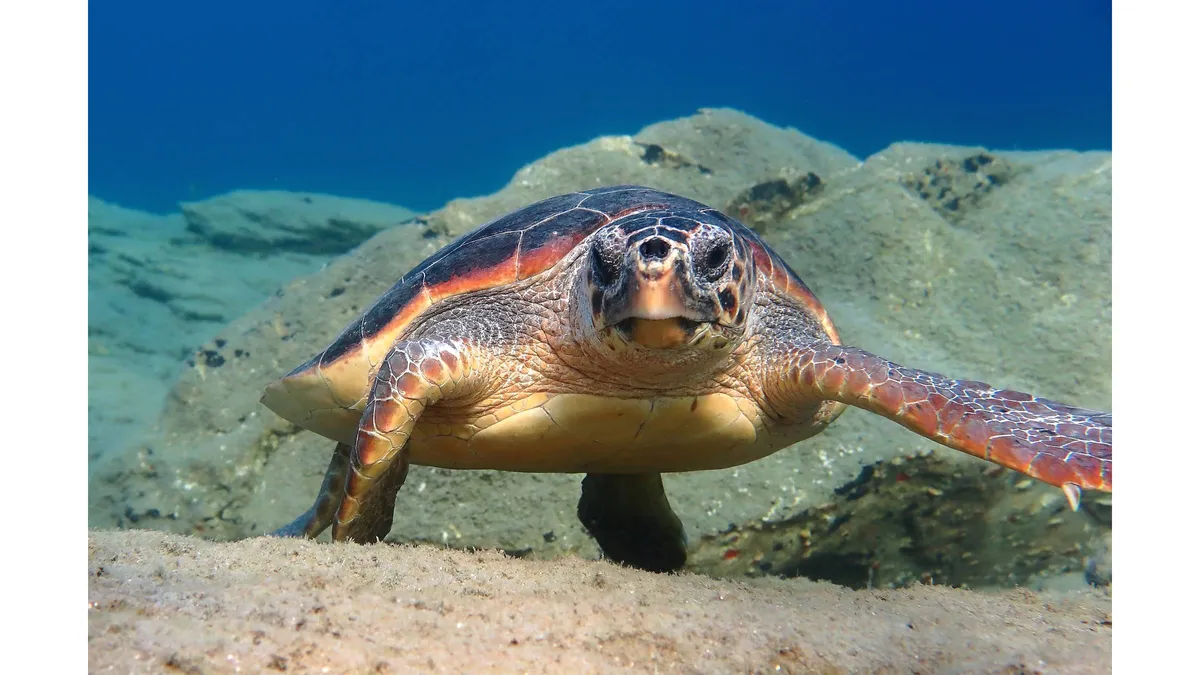
The Murray River, Australia’s longest, is a critical artery for wildlife, forming a natural border between Victoria and New South Wales. This basin is a hotspot for biodiversity, home to three native turtle species that are increasingly vulnerable.
This isn't about harming the foxes — it's about a highly specific, very memorable aversion therapy. Because apparently, the best way to protect an endangered species is to convince its predators that their favorite snack smells like vanilla and tastes like regret. Which, if you think about it, is both ingenious and wonderfully petty.