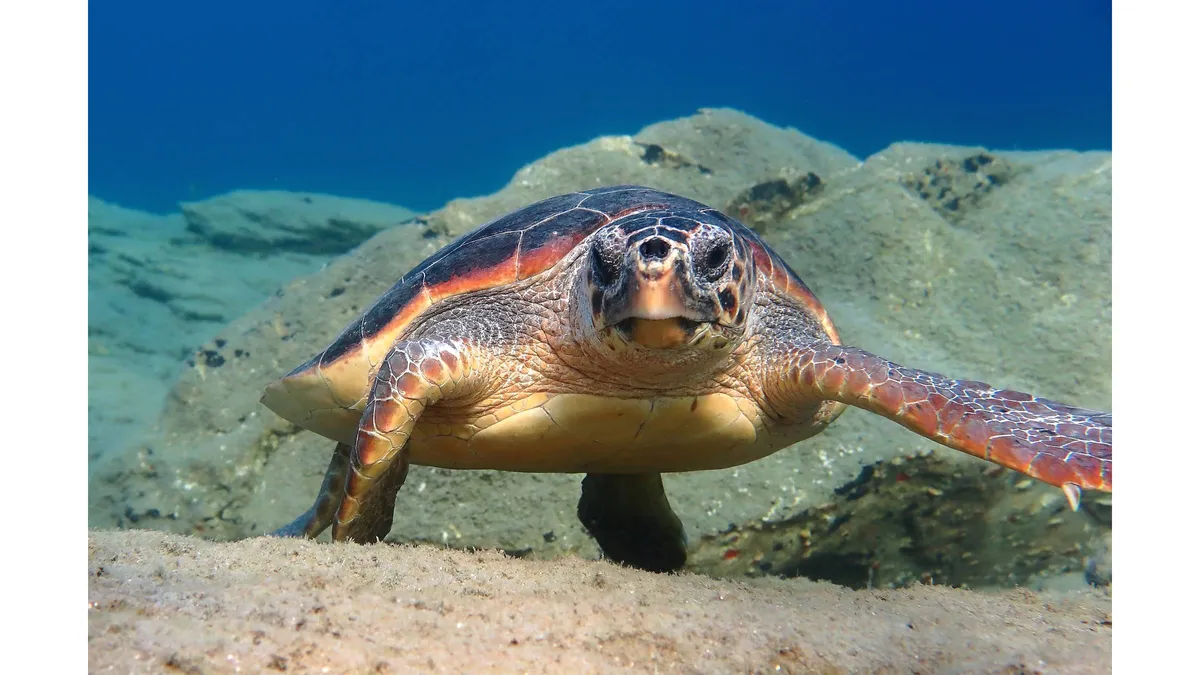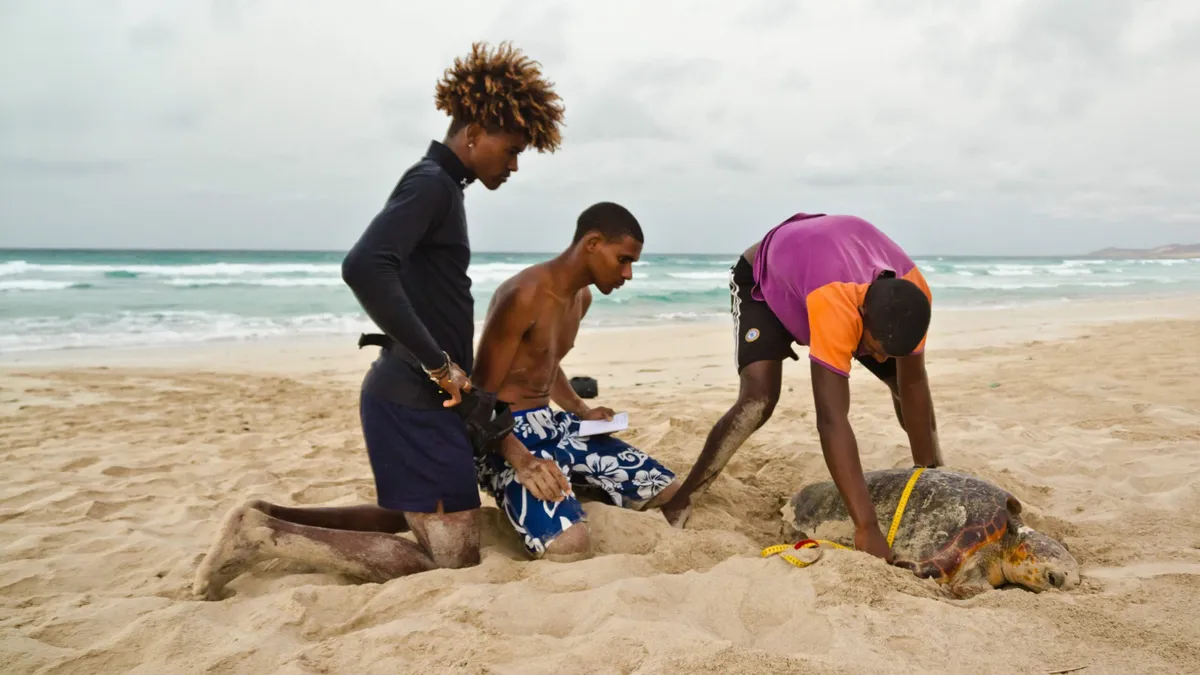
There's a certain irony in a poacher becoming a protector, but in Cabo Verde, off the coast of West Africa, it's becoming the new normal. A dozen former sea turtle hunters have traded their old ways for a new gig: safeguarding the very loggerhead turtles they once pursued.
This shift wasn't a sudden epiphany, but rather the ripple effect of a 2018 law that made hunting threatened turtle species illegal. Now, instead of hunting, these rangers patrol the main nesting beaches, clocking countless kilometers each night during nesting season, which runs from June to October. It's a job that requires dedication, long walks, and presumably, a good flashlight.
Eating turtle meat has long been a tradition in Cabo Verde, creating a sticky situation between conservation efforts and local customs. But awareness campaigns and, crucially, new economic opportunities are helping bridge that gap. Roni Nelson Batista Ramos, a ranger and camp coordinator with the Turtle Foundation, used to be one of those who ate turtle meat. He admits he never imagined making a living protecting them.
We're a new kind of news feed.
Regular news is designed to drain you. We're a non-profit built to restore you. Every story we publish is scored for impact, progress, and hope.
Start Your News DetoxToday, Ramos and his fellow rangers are the last line of defense against poachers, monitoring about 31 kilometers (19 miles) of coastline. They're not just relying on good old-fashioned foot patrols; they've even brought in drones and conservation dogs to help out. Because apparently, even turtles deserve high-tech security.
The impact has been, frankly, astonishing. Most loggerhead nesting in Cabo Verde happens on Boa Vista, an eastern island that's seen a dramatic decline in illegal hunting. In 2007, a staggering 1,253 female loggerheads were illegally caught there. Fast forward to 2024? That number plummeted to just 20. Let that satisfying number sink in.

It turns out that giving people a reason to protect, rather than just a law to obey, can make all the difference. And in the world of conservation, that's a win worth celebrating.