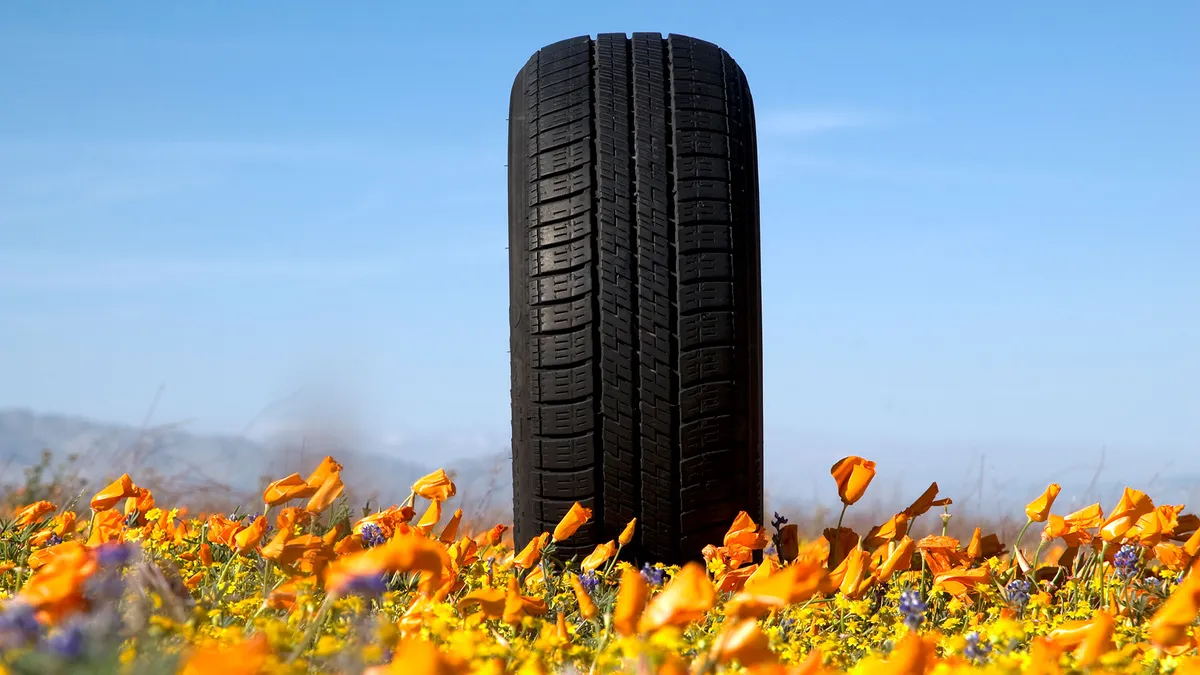
California, ever the trendsetter, just rolled out a new rule that could save drivers across the state a cool billion dollars every year. Yes, billion. And it's all thanks to something most of us probably don't think much about: our tires.
This isn't just about your wallet, though. The new regulations aim to slash carbon dioxide emissions by 2 million tons annually. That's like waving goodbye to 400,000 cars on the road. Let that satisfying number sink in.
The Unsung Hero: Efficient Tires
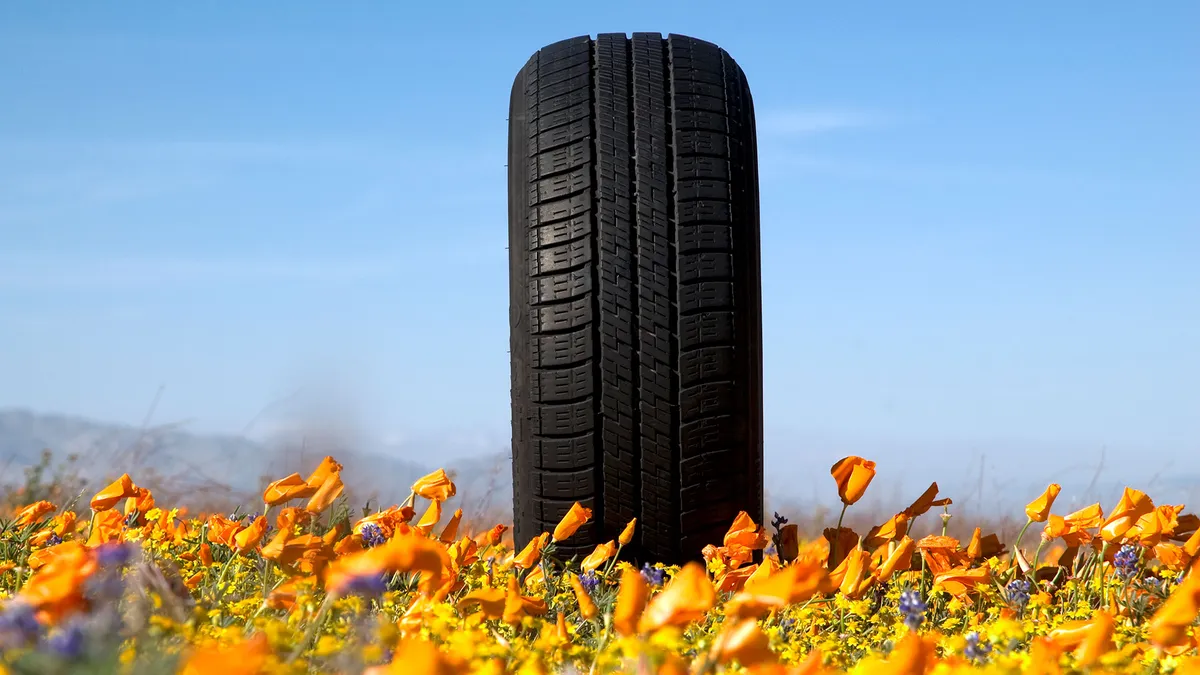
Here's the rub: those shiny new tires you buy to replace your originals? They're often less efficient. This means your car, whether it sips gas or charges up, has to work harder, burning more fuel or electricity. And for the average shopper, figuring out which tire is a gas-guzzler and which is a lean, mean, mileage machine has been nearly impossible.
We're a new kind of news feed.
Regular news is designed to drain you. We're a non-profit built to restore you. Every story we publish is scored for impact, progress, and hope.
Start Your News DetoxThe California Energy Commission, bless their bureaucratic hearts, decided this nonsense had to stop. They approved a rule ensuring replacement tires are as energy-efficient as the ones your car came with. Plus, a new "leaf" rating system, much like the Energy Star label for appliances, will actually make it easy to pick the good ones. Imagine that: informed tire shopping.
Commission chair David Hochschild put it simply: this move saves money, cuts pollution, and even extends your vehicle's range on a single tank or charge. Which, if you think about it, is both impressive and slightly terrifying that it took this long.
Starting in 2029, the least efficient tires will be phased out, with stricter standards kicking in by 2033. Some specialty tires, like snow tires (because apparently, snow tires have bigger fish to fry than efficiency), are exempt for now. But don't worry, California is tracking all-weather tires for future regulation. Because apparently, that's where we are now.
Sure, there are some squabbles. The energy commission estimates these better tires will cost $6 to $26 more per set, but save you $85 to $153 in fuel over their lifetime. The Specialty Equipment Market Association (SEMA) thinks the added cost could be a whopping $365.20. Despite the math discrepancies, the rule passed. Because sometimes, you just have to pick a lane.
The California Effect
This whole tire saga has been rumbling since 2003, paused when the federal government tried (and failed) to tackle it. California picked up the torch again around 2020, because, well, someone had to.
Given California's colossal market, this isn't just a state thing. It's expected to spark a ripple effect, influencing other states to adopt similar rules. After all, what California does with tailpipe emissions, 17 other states and Washington D.C. often follow. The same happened with LED lightbulbs. So, don't be surprised if your next tire purchase, no matter where you live, comes with a few extra leaves on its label. And a little extra cash in your pocket. You're welcome.