In 1973, a fire burned 750 acres in Ashland, Oregon. It destroyed thousands of trees. Years later, the damage from the Hillview Fire was still visible in the Siskiyou Mountains.
In 1987, Bill and Sarah Epstein bought 400 acres in the area. Half of this land had been ruined by the fire. They first wanted to create a forest preserve to stop logging. But they soon realized much work was needed to prevent another wildfire.
Protecting the Forest
The Epsteins started managing the forest in 1988. Their main goal was to lower the chance of fires starting and spreading intensely. Researchers at Oregon State University noted this shift. The Epsteins understood that another big, severe wildfire would harm everything they valued.
We're a new kind of news feed.
Regular news is designed to drain you. We're a non-profit built to restore you. Every story we publish is scored for impact, progress, and hope.
Start Your News DetoxFor decades, the Epstein family worked hard to protect the forest. They reduced fire risks on public trails. They created more fire-resistant forests. They also used controlled burns and thinning methods.
Their efforts paid off. The forest has not had another fire. It has also thrived, becoming a safe place for many birds, amphibians, and mammals. The property is part of the Oregon Conservation Strategy's Siskiyou Crest Conservation Opportunity Area. This area is home to 16 rare and threatened animal species.
The Return of the Ringtail
One of these species is the North American ringtail. It is listed as "sensitive" in Oregon. Ringtails are part of the raccoon family. They have a fox-like face and a striped tail.
Mammalogist Lowell Sumner said early settlers and coal miners once kept ringtails as pets. They trained them to catch rodents in cabins. This earned them the nickname "miner's cat."
Today, little is known about ringtails. Oregon State University researchers recently learned they use hollow living trees or dead standing trees (snags) for shelter. They hide from predators and raise their young in these spots.
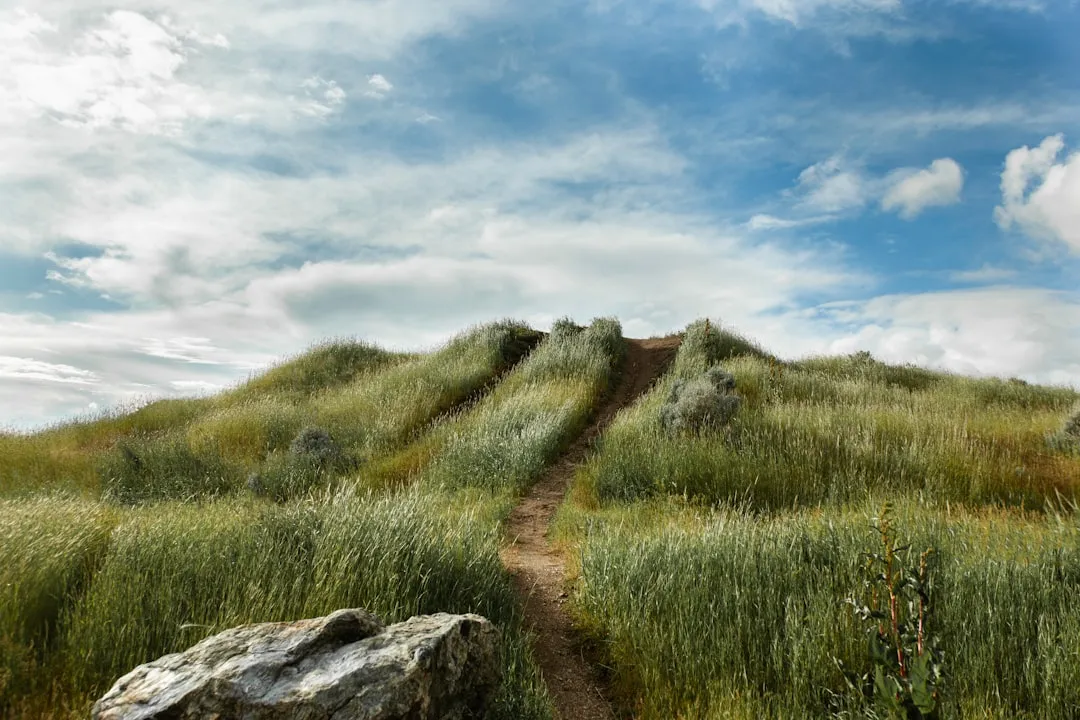
Ringtails are nocturnal and hard to spot. But trail cameras in the Epstein Family Forest recently caught one on video. The ringtail scurried through the brush, looked around, and then went back into the trees.
This sighting is the latest sign that the Epstein family's conservation work is successful.
After a family member was diagnosed with cancer, the Epsteins partnered with the Pacific Forest Trust. This ensures the land will be protected forever.
The Epsteins stated it is a great comfort to know their goals for the property will be managed and protected permanently. They are preserving 400 acres of woodland that absorbs carbon. This also protects wildlife habitat and a diverse river area.