Imagine a forest where everything looks green and lush, but the silence is… deafening. The trees are there, the plants are thriving, but the crucial animal chatter, the rustling, the very lifeblood that makes an ecosystem hum, is just gone. That's what biologists call "empty forest syndrome," and for years, Rio de Janeiro's Tijuca National Park was suffering from it.
Back in 2008, biologist Alexandra Pires made a discovery during her Ph.D.: agoutis, those oversized guinea pig-like rodents, are surprisingly crucial for spreading seeds and helping new plants grow in Brazil's Atlantic Forest. Great news, right? Not so much for Tijuca. When she shared her findings, a park researcher dropped the bombshell: agoutis? Gone. Vanished.

Evidence was everywhere, if you knew what to look for. Seeds from the aptly named "agouti tree" were just… rotting on the forest floor. No agoutis to eat them, bury them, and inadvertently plant them. It was a botanical tragedy, all because one little (okay, medium-sized) animal was missing. So, Pires did what any logical person would do: she decided to bring them back.
We're a new kind of news feed.
Regular news is designed to drain you. We're a non-profit built to restore you. Every story we publish is scored for impact, progress, and hope.
Start Your News DetoxFast forward 18 years, and the silence in Tijuca National Park is slowly but surely being broken. Thanks to Refauna, a reintroduction program spearheaded by Pires, visitors can now spot red-rumped agoutis scurrying about. They've even brought back brown howler monkeys and yellow-footed tortoises. Because apparently, sometimes you just need to re-stock the shelves of nature.
Macaws Return After 200 Years
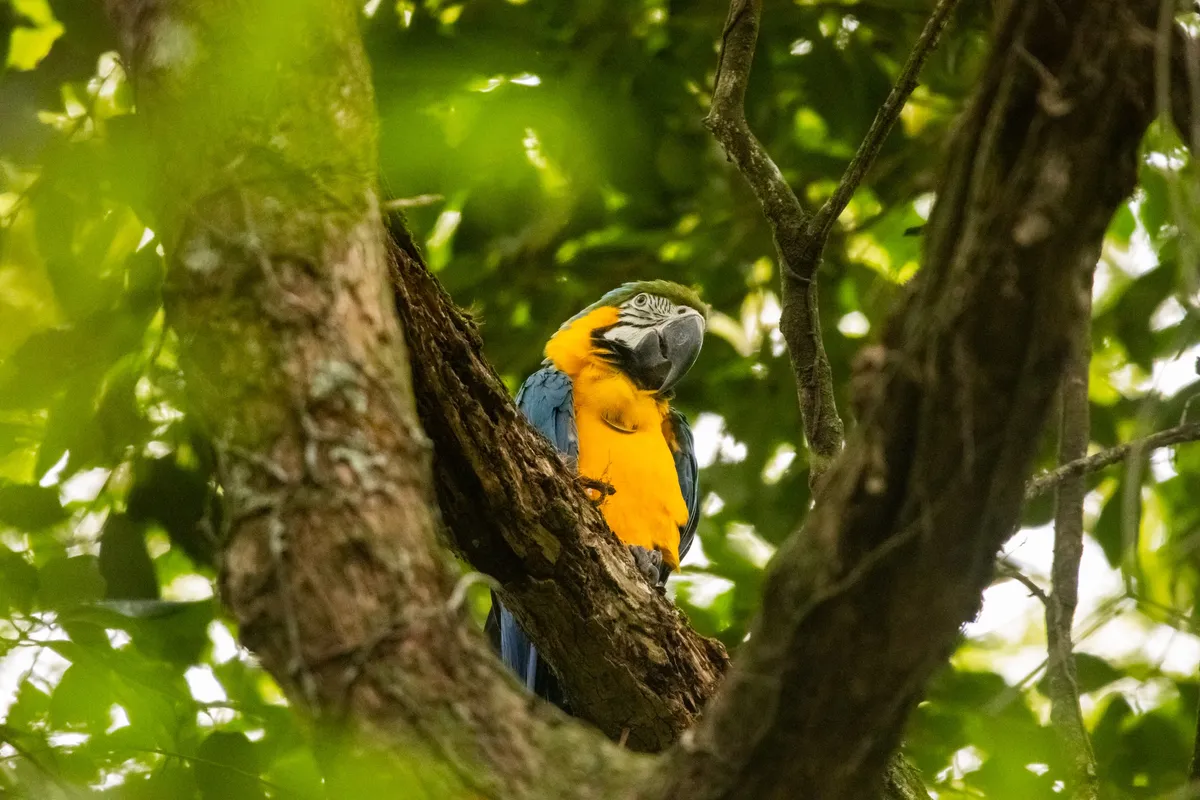
And if that wasn't enough to make you smile, early this January, the skies above Rio saw a truly spectacular sight: blue-and-yellow macaws. These vibrant birds had been extinct in the city for two centuries. Two hundred years! Now, they're soaring over the urban sprawl once more, a testament to what happens when you decide to fill those empty ecological niches.
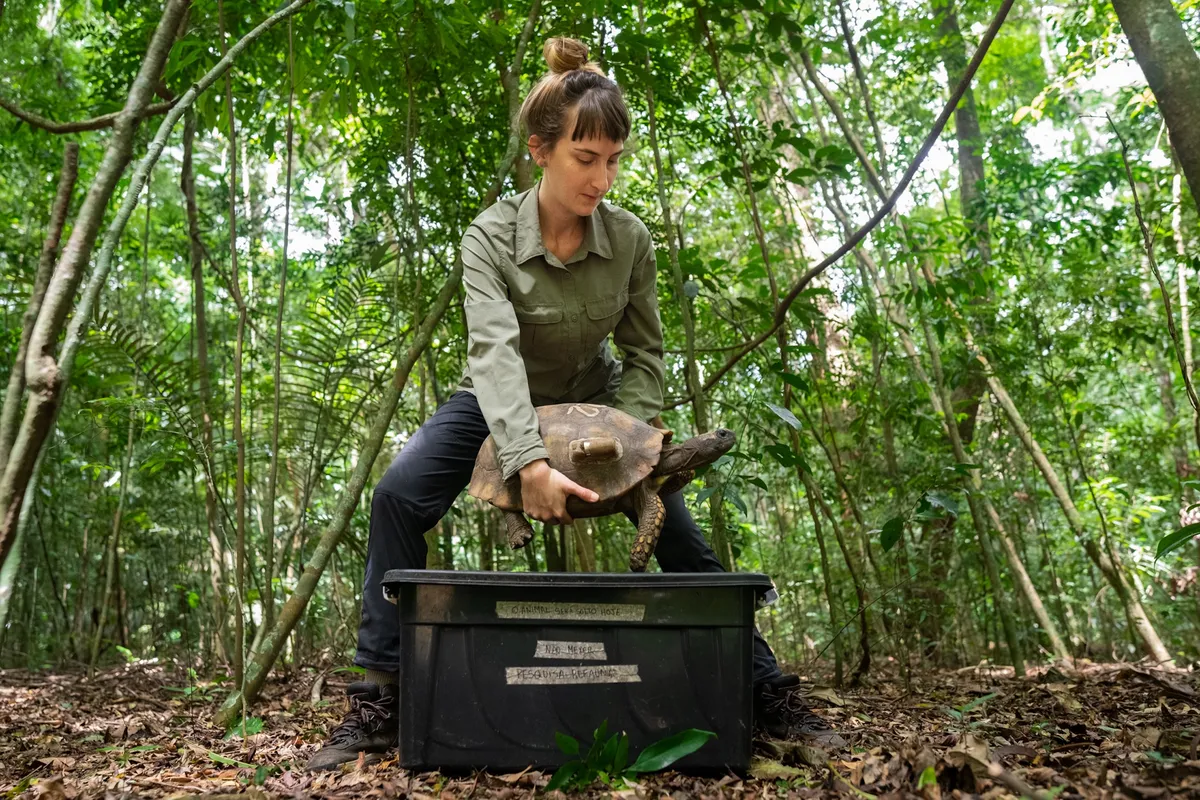
Refauna, with a little help from the Brazilian government, is systematically reversing the quiet catastrophe of the empty forest, one species, one rustle, one magnificent squawk at a time. Turns out, sometimes you just need to invite everyone back to the party.