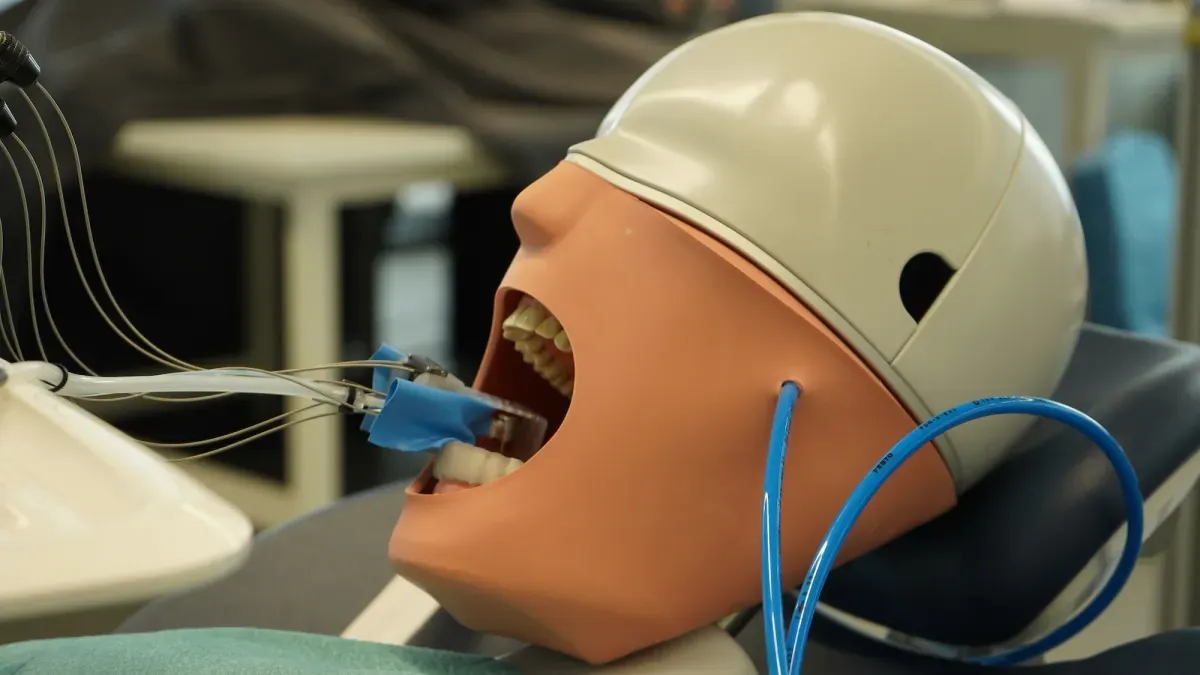
Imagine this: You need a dental crown. Instead of multiple dreaded appointments spread across weeks, you pop in, a tiny robot does its thing, and you're out. Sounds like sci-fi, but Swiss engineers are making it real with a device that's both brilliant and slightly unsettling.
Meet the Miniature Intraoral Robot (MIR), a pint-sized marvel from the University of Basel. It's roughly the size of a wine cork — because apparently that's the ideal dimension for a tiny metal contraption whirring inside your mouth. Its sole mission? To prep your tooth for a crown in a single visit, scanning and grinding with unnerving precision.
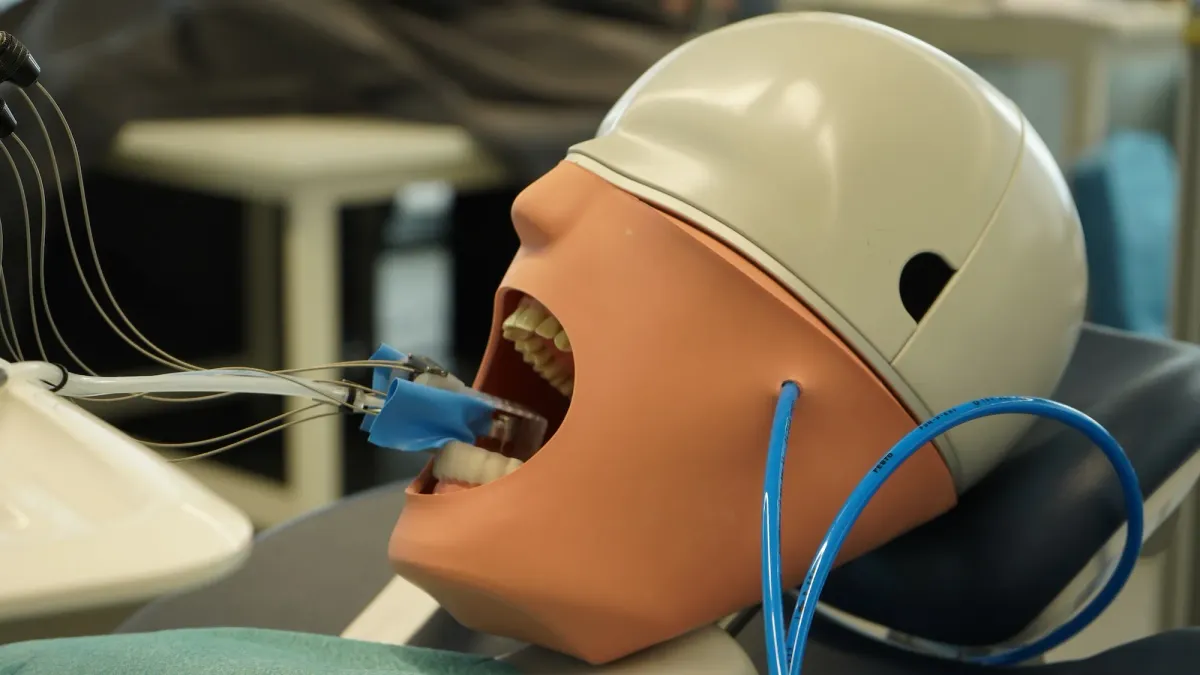
Now, before you picture a rogue dental bot, know this: the MIR’s motors and controls are kept safely outside your mouth, connected by tubes and cables. When it's drilling, it applies about as much force as holding a half-liter bottle of water. So, less 'alien invasion' and more 'gentle, highly efficient buzzing.'
We're a new kind of news feed.
Regular news is designed to drain you. We're a non-profit built to restore you. Every story we publish is scored for impact, progress, and hope.
Start Your News DetoxRoboticist Yukiko Tomooka, part of the design team, assures us it’s built to fit comfortably and, here’s the kicker, it moves with you if you shift your head. Because even robots understand the human need for a good fidget.
How Your Tooth Gets the Robot Treatment
The MIR uses two drills: a wider one for the top surface, then a thinner one for the sides. So far, it’s been put through its paces on synthetic resin and ceramic model teeth. And the accuracy? Even without sensors, its errors were less than 0.2 millimeters. That's less than the thickness of two human hairs. Which, if you think about it, is both impressive and slightly terrifying.
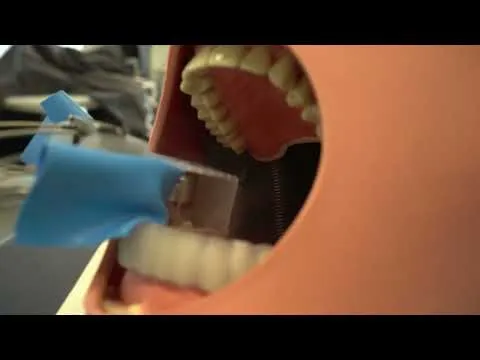
The next step is to integrate sensors and a camera without making the MIR any bigger. This would allow the robot to know its exact position and pick up where it left off, even after a power outage. Because nothing says 'cutting-edge' like a robot that can remember its place after a brief nap.
Soon, those multiple trips to the dentist might just become a quirky anecdote from the past. And all thanks to a tiny robot that could probably also uncork your favorite vintage.