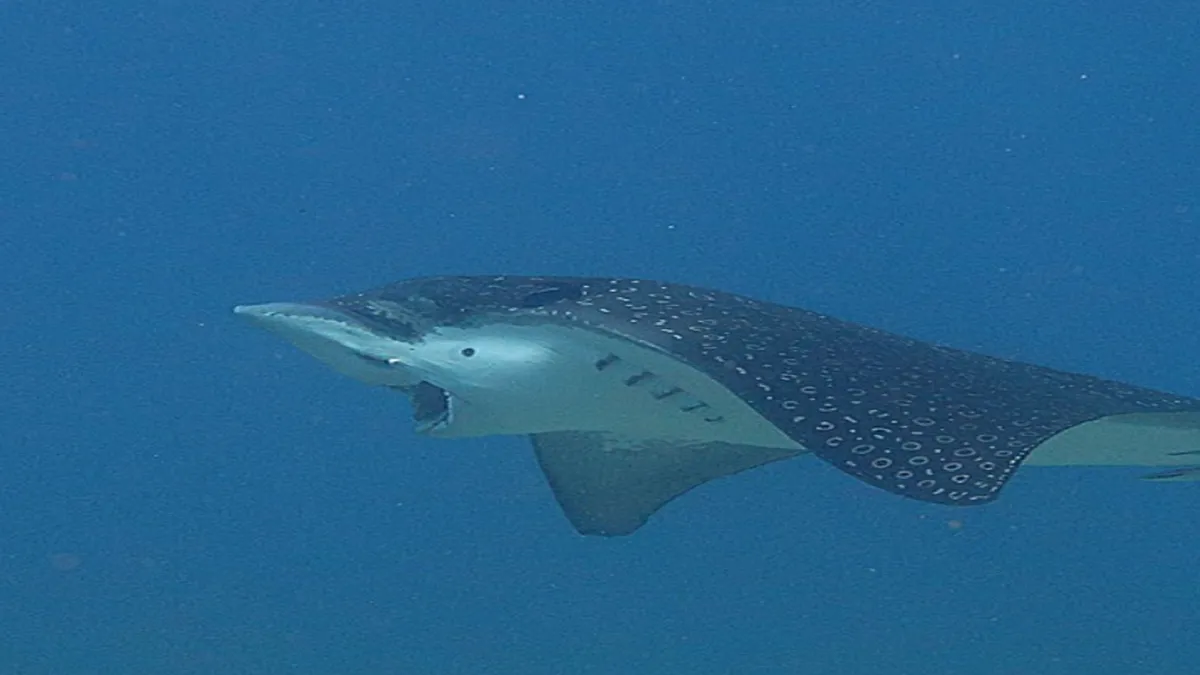
Ever wonder what that crunching sound coming from the ocean floor means? Probably not, but a team of scientists did, and now they've built an AI that can tell what an animal is having for dinner just by listening to its chewing. Yes, really. It's like Shazam for marine munchies.
Published in Ecological Informatics, this new AI model listens to the subtle — and not-so-subtle — sounds of shells being crushed. Even more impressive: it can identify the specific type of prey being devoured. So, it's not just hearing a shell; it's hearing that particular clam.
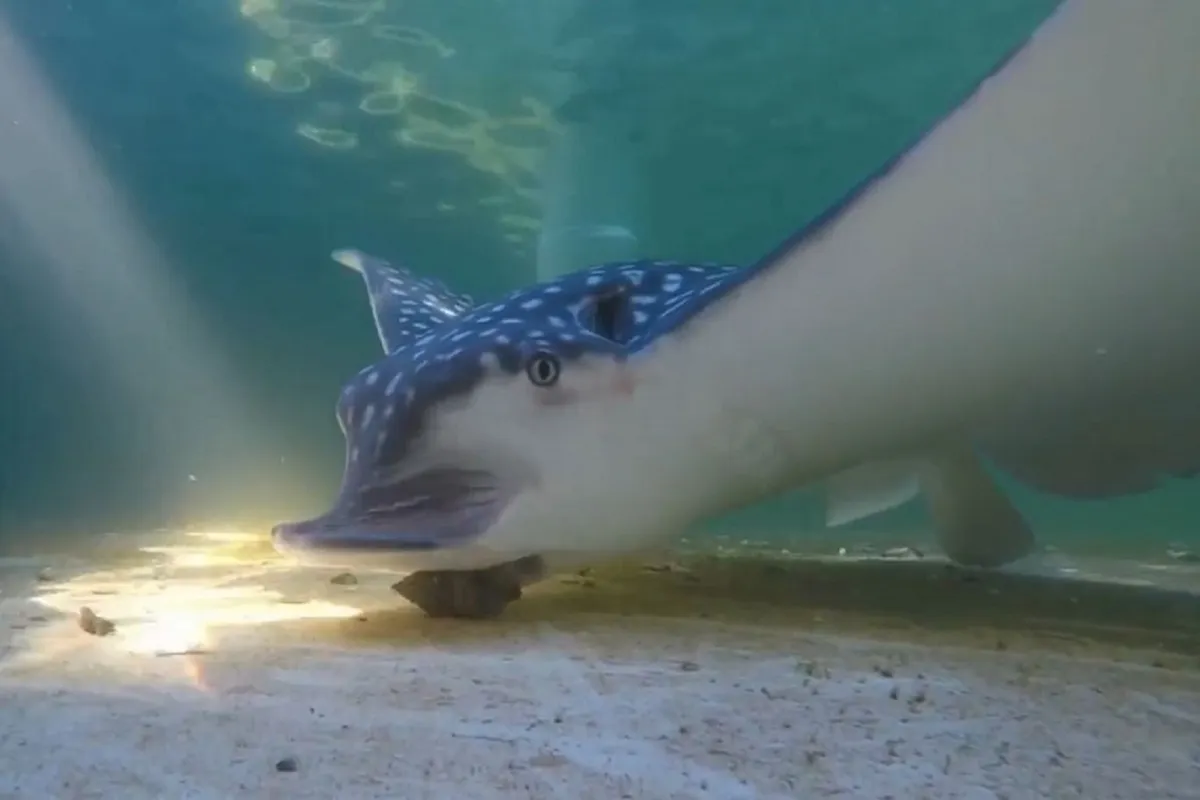
Matt Ajemian, a research professor at Florida Atlantic University and part of the study, explained the whole thing. Turns out, marine predators love a good shell-crushing session, but knowing exactly what they're eating, and how much of it, has always been a bit of a mystery. Traditional underwater data collection is notoriously difficult, mostly because animals tend to get shy when you show up with a clipboard.
We're a new kind of news feed.
Regular news is designed to drain you. We're a non-profit built to restore you. Every story we publish is scored for impact, progress, and hope.
Start Your News DetoxThis AI, however, is all ears. It can differentiate between a clam and a snail, for example. Which, if you're a marine biologist, is a pretty big deal. Marine habitats are changing faster than a TikTok trend, and understanding predator diets is crucial for conservation efforts. It helps us figure out what these animals need and how much pressure they're putting on shellfish populations.
Because apparently, even what's for dinner in the deep blue sea has a ripple effect. And now, thanks to some very patient AI, we're finally listening in.