Barbara Sherwood Lollar, a geochemist who once ventured three kilometers into a Canadian mine, spent the 1990s finding water that had been trapped for a billion years. This week, her work on Earth making its own hydrogen fuel reminds us that some of the best solutions are simply waiting to be discovered, often right under our feet. Turns out, the planet is full of surprises, and so is humanity.
The Unseen Resiliency of Life
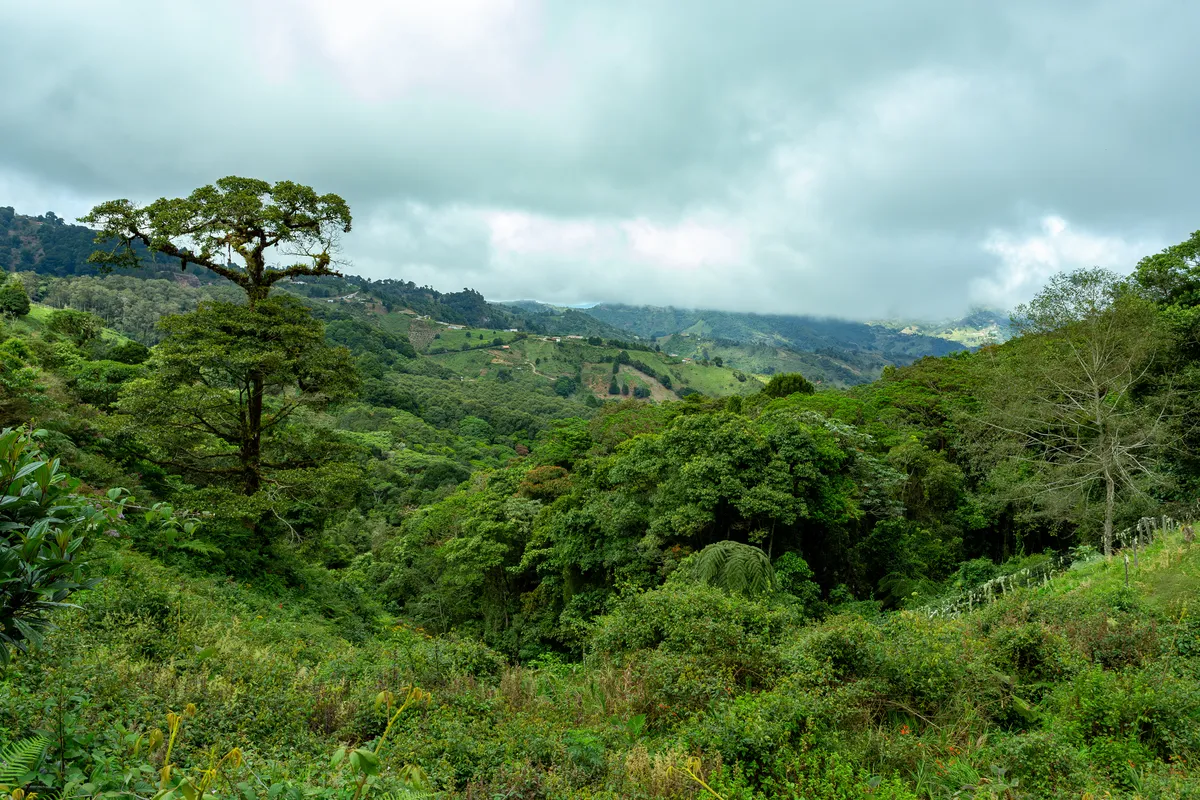
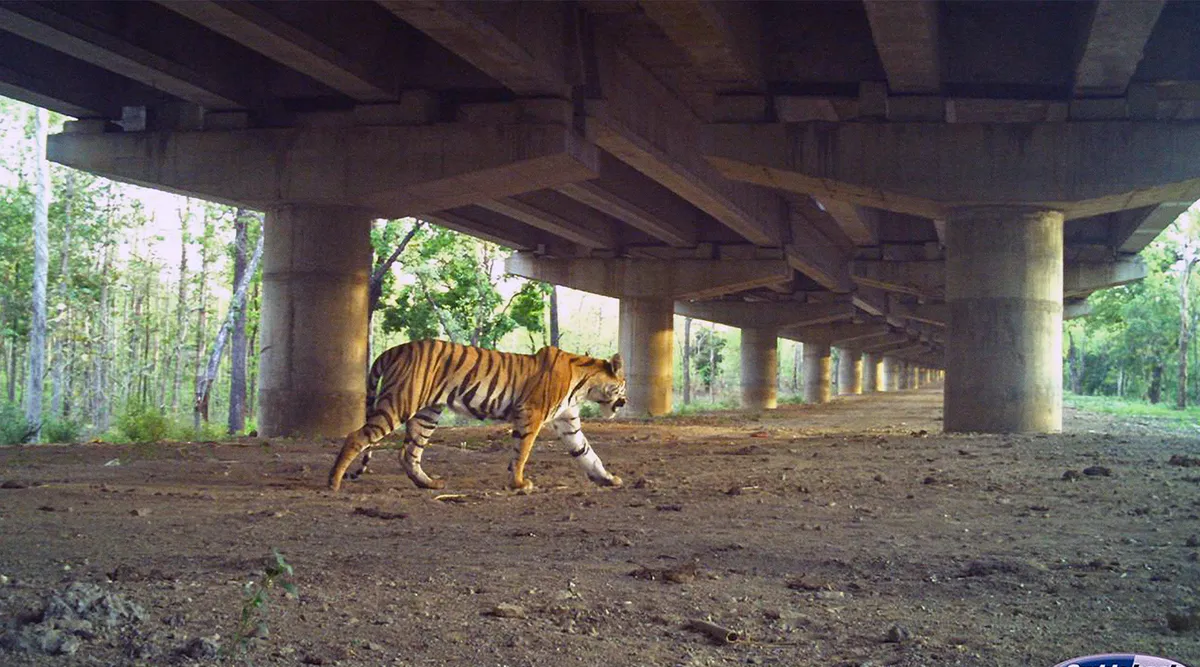
It seems nature, given half a chance, is in a hurry to get back to business. New research out of Ecuador’s Chocó region found that cleared rainforests can recover 90% of their species diversity within a single human generation. That's not just a statistic; it's a testament to the sheer, stubborn will of ecosystems to bounce back. Meanwhile, India’s booming tiger population is now so robust that conservationists are pushing for tiger highways — dedicated ecological corridors to connect habitats. It’s a remarkable reversal from just a few decades ago when the majestic Bengal tiger faced imminent threats. It seems the wild, when given a fighting chance, doesn't just survive; it thrives. If you've been worried about irreversible environmental damage, this week offers a potent reminder that nature has a powerful capacity for repair.
"Cleared tropical rainforests can recover 90 percent of their species diversity within a single human generation." — Read the full story
Wait—What is Brightcast?We're a new kind of news feed.
Regular news is designed to drain you. We're a non-profit built to restore you. Every story we publish is scored for impact, progress, and hope.
Start Your News Detox
Smarter, Not Harder: The Power of Re-evaluation
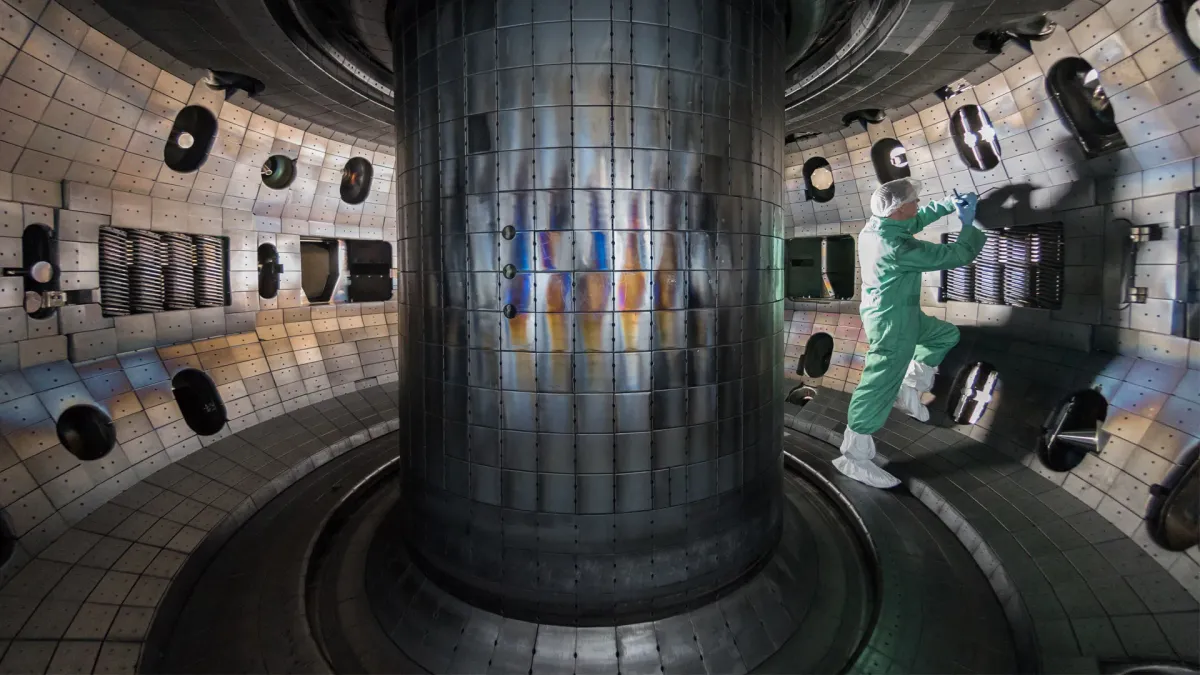
Sometimes, the best innovations aren't new inventions, but a fresh look at what's already there. Case in point: a centuries-old heart drug costing less than ten cents a day just slashed heart-failure hospitalizations by 25%. This isn't a flashy new biotech marvel; it's digoxin, a drug nearly forgotten, proving its quiet efficacy. Similarly, NASA just pulled off a clever trick to give Voyager 2 another year of life by re-routing power, squeezing more out of existing resources rather than launching a new probe. And in the high-stakes world of fusion, scientists at DIII-D taught AI to predict machine meltdowns, cutting errors by 80% – not by rebuilding, but by refining their understanding. This week underscores that sometimes, the most profound progress comes from revisiting assumptions and optimizing what we already have.
Quiet Shifts in What We Thought We Knew
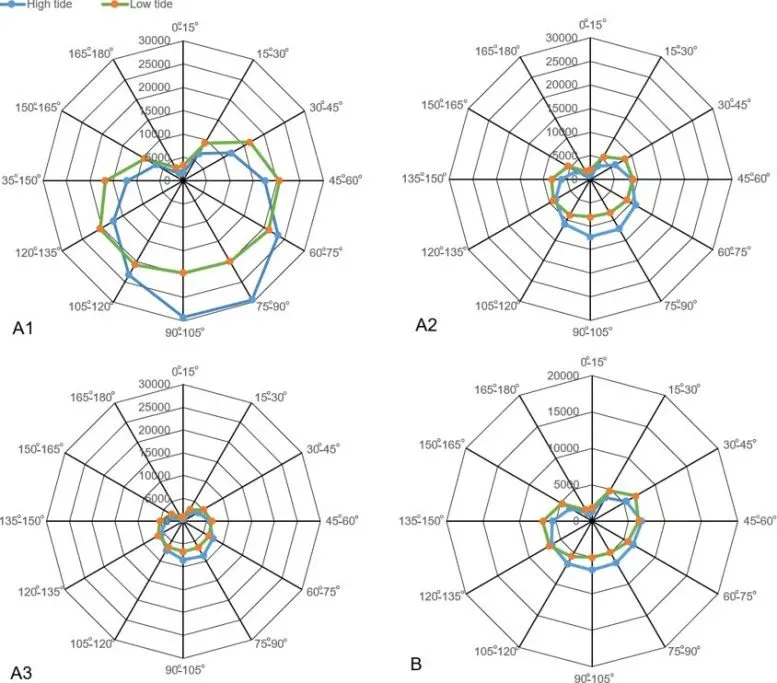
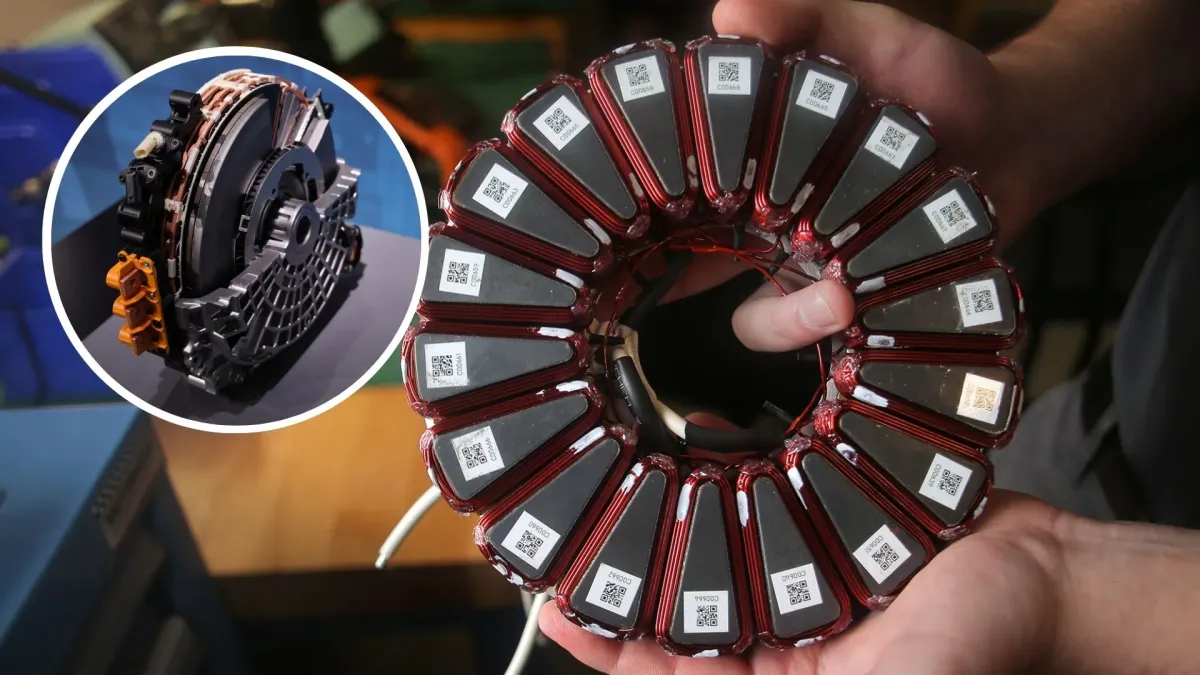
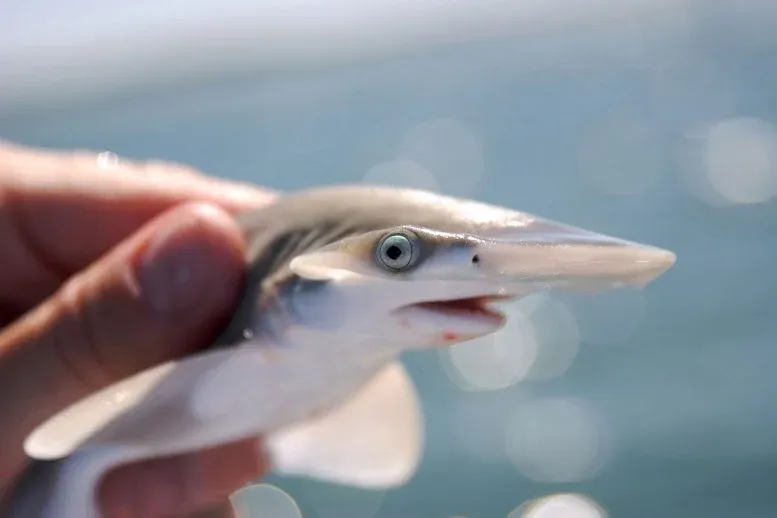
It seems a lot of things we considered settled are, in fact, still very much in flux. For decades, our textbooks have depicted ocean tides as two symmetric water bulges, but new satellite data is challenging that fundamental idea. Meanwhile, marine biologists discovered that bonnethead sharks start life with pointed heads, only for females to develop dramatically rounder snouts as they mature – a secret they'd been keeping rather well. Even electric motors, a cornerstone of sustainable transport, are ditching rare earths while promising even higher power. These are not dramatic, sudden revolutions, but quiet, persistent shifts in understanding that remind us that even the most established truths are constantly evolving. If you've ever felt stuck in old ways of thinking, this week is a good reminder that flexibility and curiosity are always rewarded.
Hope stat: 90% — the biodiversity cleared rainforests can regain within a single human generation.
Watch this space: The continued push for rare-earth-free technologies across various industries.