IBM has created a design for a new processor using sub-1-nanometer (nm) chip technology. This new design improves on its previous 2-nm technology, offering better efficiency and processing power.
The term "1-nm" no longer directly refers to the physical size of a transistor. This measurement used to describe the gate length of a transistor. However, transistors are now three-dimensional, making the old measurement method outdated. Today, transistor density is more important. This means how many transistors can fit onto a chip of a specific size.
Packing More Power into Tiny Chips
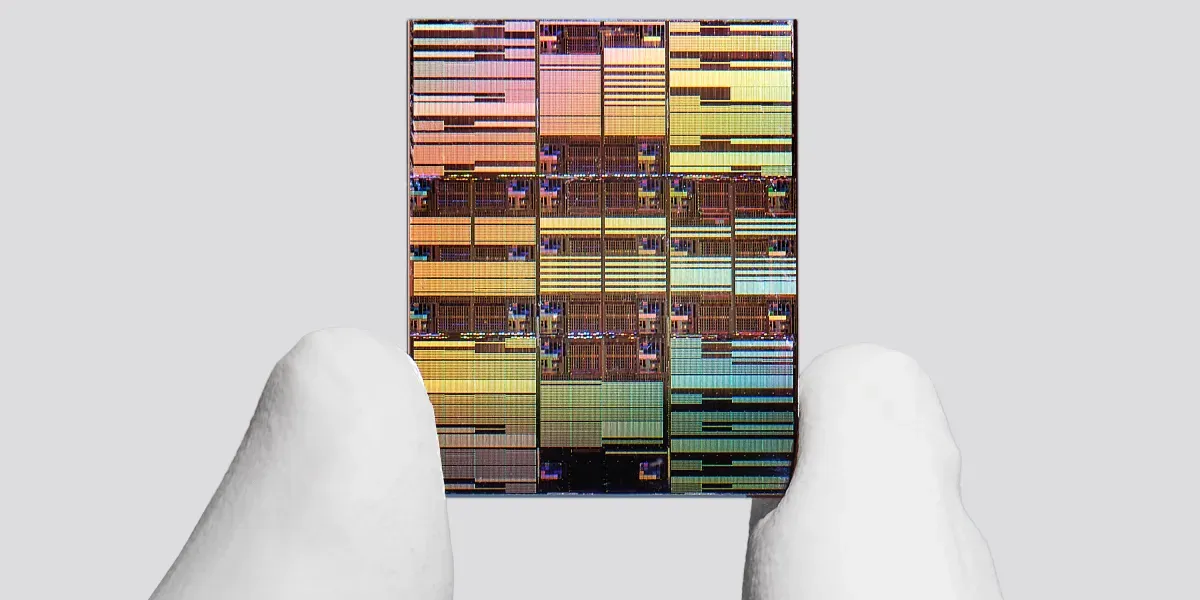
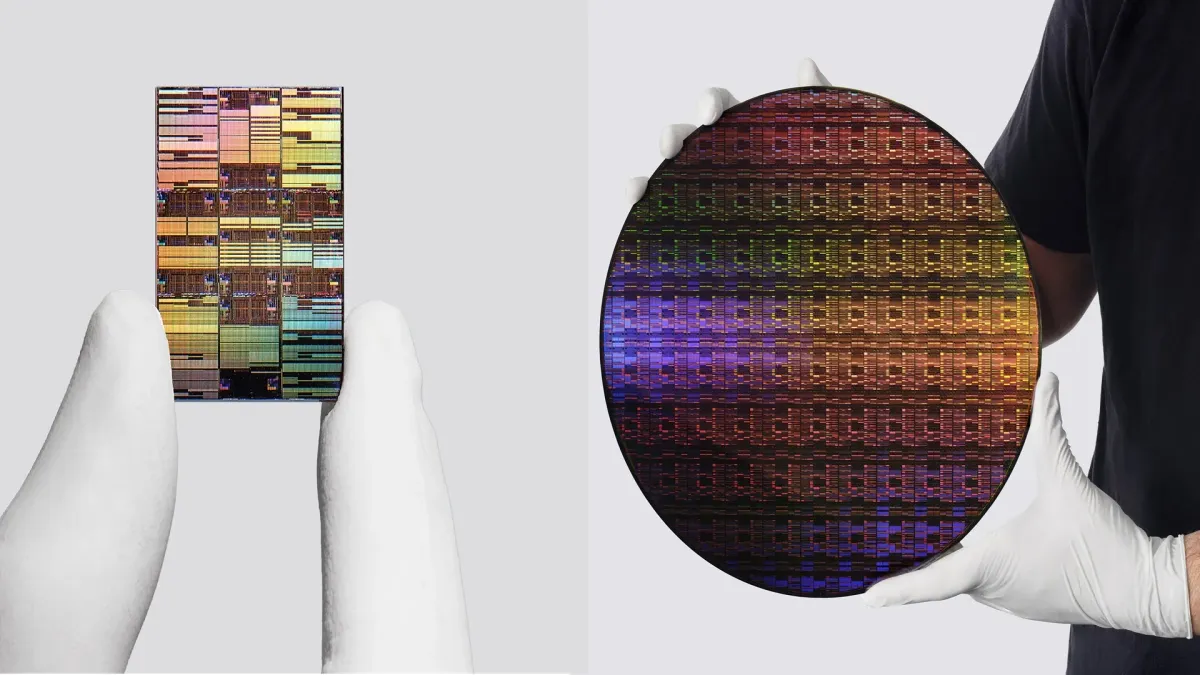
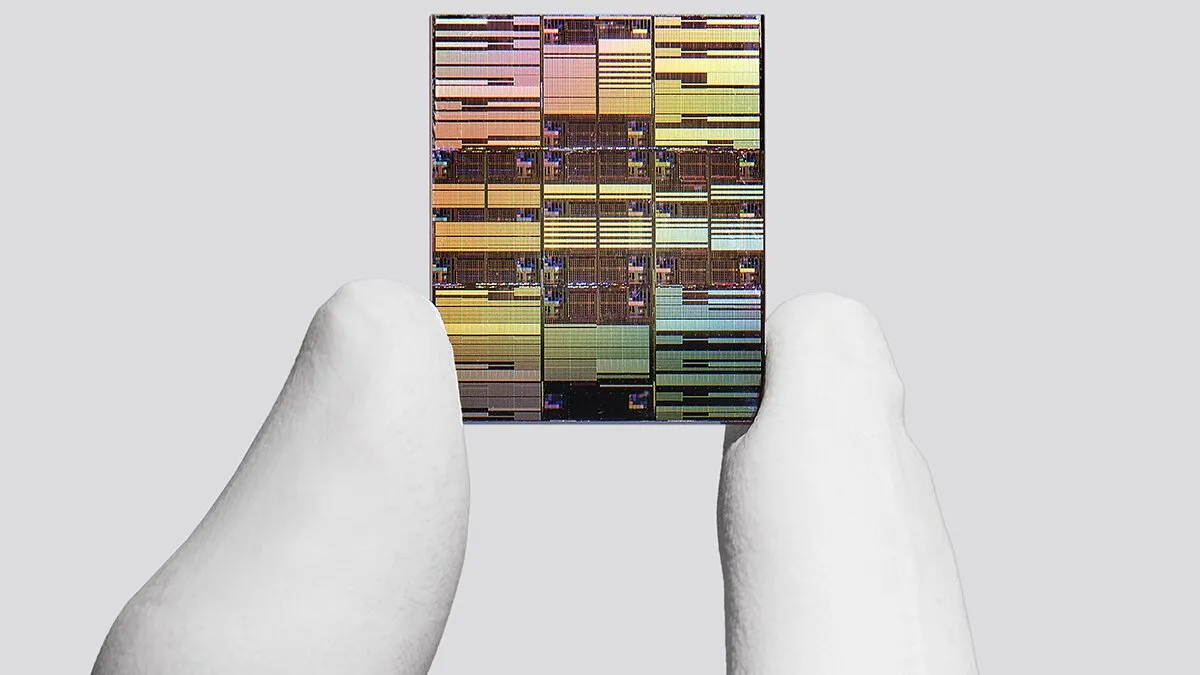
IBM announced it can now fit nearly 100 billion tiny transistors onto a chip the size of a human fingernail. This is almost double the number of transistors compared to its 2-nm chips from 2021, which were the same size.
We're a new kind of news feed.
Regular news is designed to drain you. We're a non-profit built to restore you. Every story we publish is scored for impact, progress, and hope.
Start Your News DetoxWith more transistors packed closely together, electrons have less distance to travel. This speeds up data processing. IBM reports that this new technology offers up to 50% more performance and 70% greater energy efficiency than its 2-nm chips.
Once these new processors are available, they could boost the speed and capabilities of many technologies. This includes generative AI services, smartphones, and cloud infrastructure.
Nanostack Architecture
The 1-nm process node uses a new transistor design called 'nanostack.' This design doesn't just fit more transistors horizontally on the chip's surface. It also stacks different materials on top of each other in a 3D arrangement.
A single transistor consisting of three stacked nanosheet elements – each of which comprise just 15 rows of silicon atoms. Image: IBM
One transistor in this design consists of three nanosheet elements. Each of these elements is made of just 15 rows of silicon atoms.
The Road to Production
Developing this technology is one step, but producing these chips in large quantities is another challenge. TSMC, a major chip manufacturer, only began mass production of 2-nm chips late last year. IBM's manufacturing partner, Rapidus, aims to start 2-nm production in about a year.
Apple is reportedly planning to use a 2-nm chip from TSMC, called the M6, for a new MacBook Pro model this year.
Moving to a new chip manufacturing process requires a lot of effort. This includes finding the right materials, creating new tools for manufacturing, and ensuring a high number of usable chips are produced. IBM estimates that 1-nm chip production is at least five years away. So, it will be some time before these next-generation chips appear in personal devices.
Deep Dive & References: IBM Debuts World's First Sub-1 Nanometer Chip Technology - IBM, 2026