Human noses are good at smelling bad food, but they can't always catch every scent. Researchers at the University of California - Berkeley have created an "electronic nose." They say it's "better than human noses" at finding gases from spoiled food or allergens.
How the Electronic Nose Works
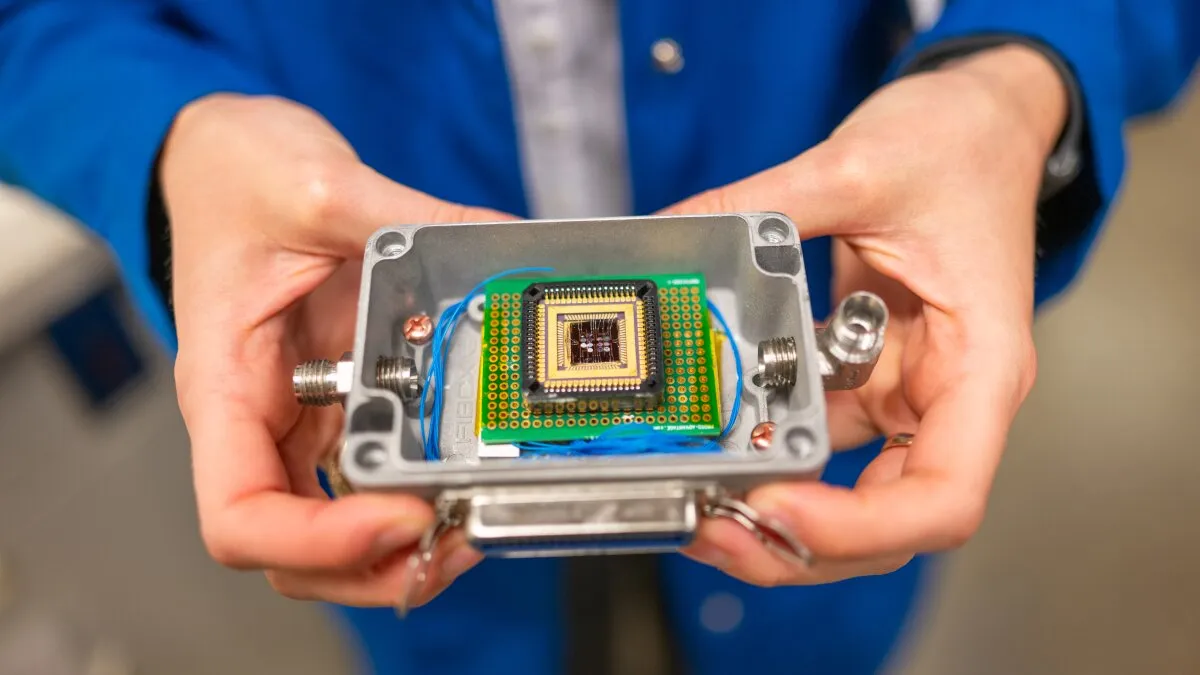
This new device has 16 tiny gas sensors. These sensors can spot small changes in gas molecules. This includes molecules from common food allergens like walnuts and peanuts, which can be very dangerous for people with allergies.
Carla Bassil, the lead author of the study and a PhD student, explained the device. She said to think of it like "digital taste buds." Each sensor on the chip reacts differently to various gas molecules.
We're a new kind of news feed.
Regular news is designed to drain you. We're a non-profit built to restore you. Every story we publish is scored for impact, progress, and hope.
Start Your News DetoxIt's hard to put many different gas sensors on one computer chip. Standard carbon monoxide detectors only sense one gas. To solve this, Bassil used carbon nanotubes. These nanotubes are one one-hundredth the thickness of a human hair. They work at room temperature, unlike metal oxides that need heat.
This allows Bassil to use more types of gas-sensitive materials. Some materials, like polymers, would break down at high temperatures. She made the sensor by simply dropping a small film onto it, which is an easier method.
Detecting Food Spoilage and Allergens
The electronic nose uses a machine learning model. This model records how each substance reacts. It then links these reactions to a specific food or scent.
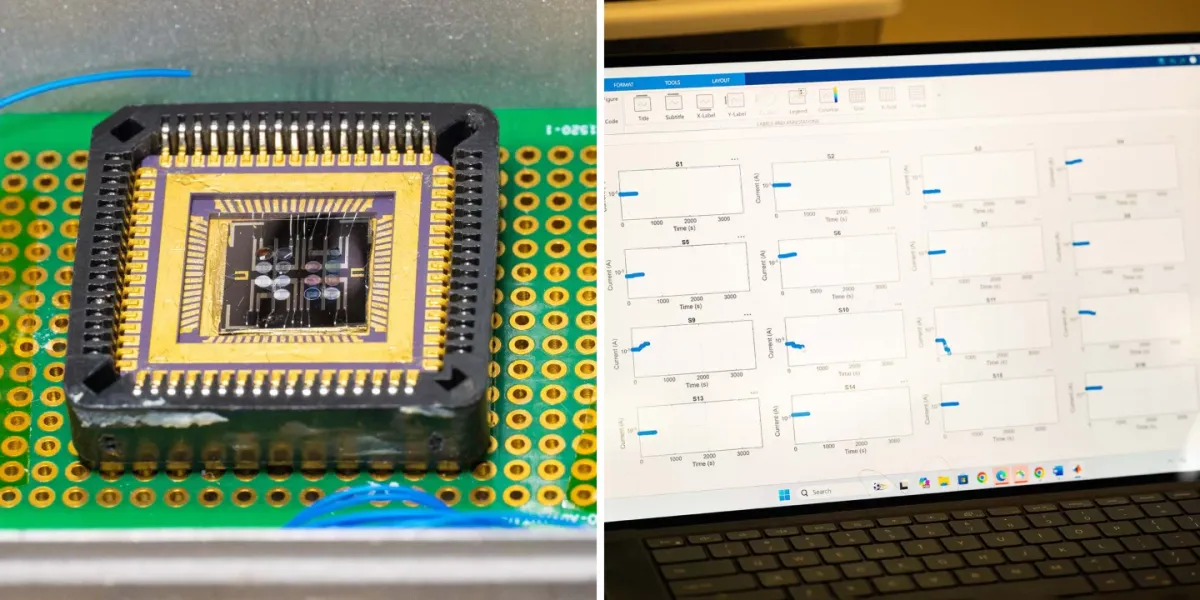 The electronic nose contains 16 different gas sensors (small circles in the center, at left) – it records the reactions of the unique material in each sensor and, using a machine learning model, learns which set of reactions are associated with a specific food or scent (right). Image: Brandon Sánchez-Mejia/UC Berkeley
Bassil explained that each of the 16 sensors has a different film. It turns chemical reactions between the sensor and gas molecules into electrical signals.
She trained the model to recognize seven foods: strawberry, blueberry, banana, walnut, hazelnut, cashew, and peanut. It also learned the smell of fresh raw chicken, milk, and eggs. The model could also tell when these foods had been left out for 24 and 48 hours.
Bassil noted that the gas sensors' ability to pick out specific gases, combined with machine learning, helps identify each food's "gas fingerprint." She said the sensor chip is "far more sensitive and far more objective than any human nose."
The nose could detect a walnut fragment as small as 0.05 grams. This is about one one-hundredth of a shelled walnut. However, Bassil still needs to research if it can detect allergens when other gases are present, like in a cake or salad. She also wants to test it when contaminated food is refrigerated with other items.
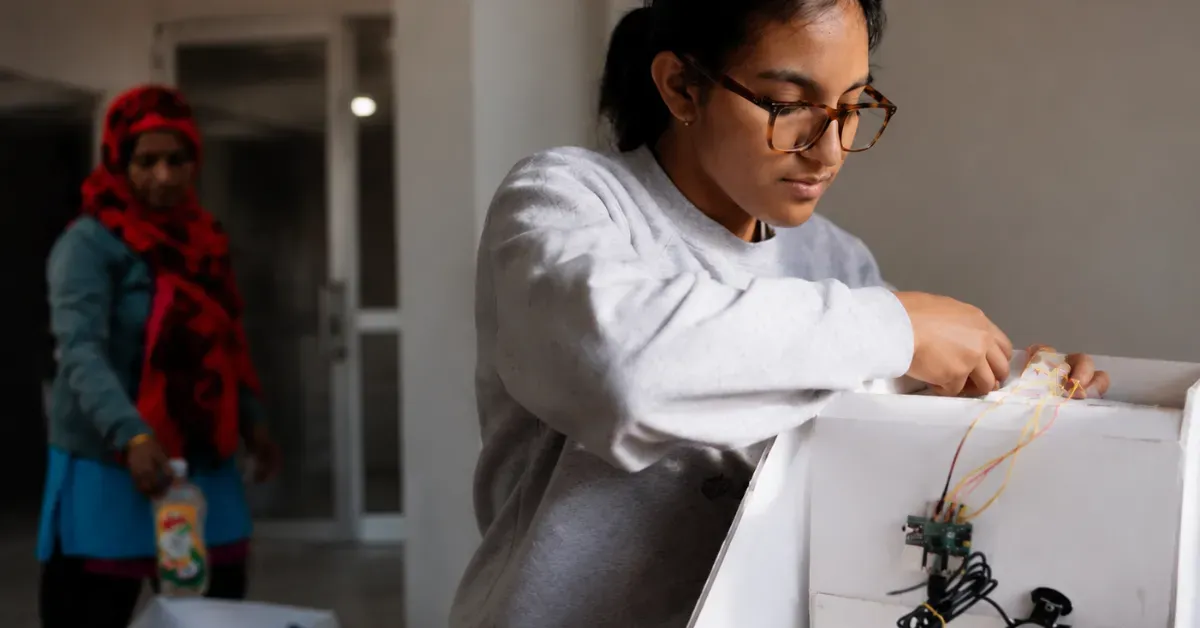
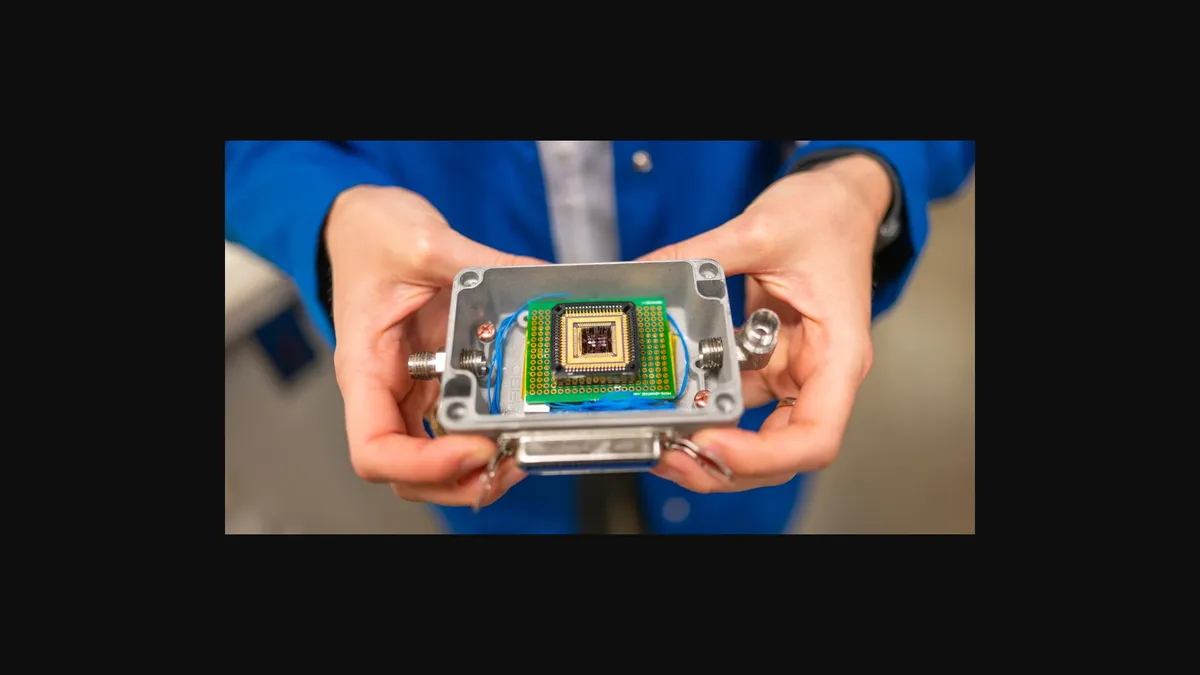 Bassil has created a portable version of the nose that can be controlled with an iPhone app. Image: Brandon Sánchez-Mejia/UC Berkeley
Bassil thinks this technology would be great for "smart" fridges. These fridges could have sensors controlled by a phone app. She imagined a fridge telling you, "Hey, your broccoli's going to go bad soon, so you should probably eat that?" or "Your chicken is on its last day."
Deep Dive & References
Machine learning-assisted gas sensor chip for food safety applications - Science Advances