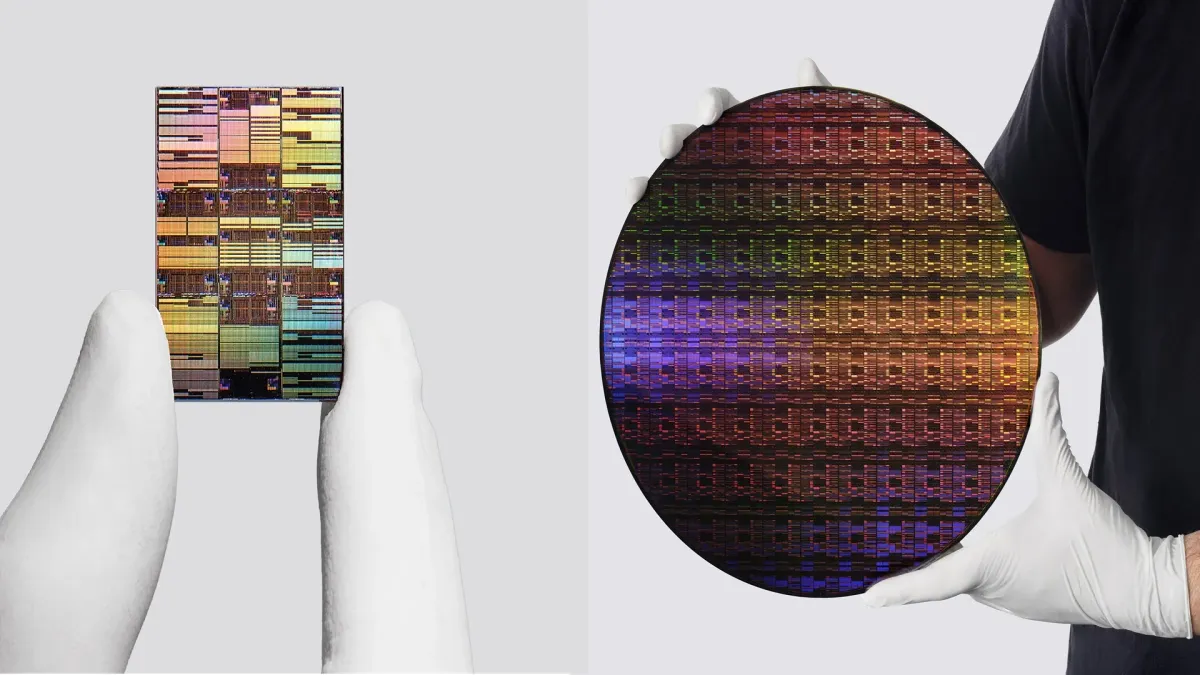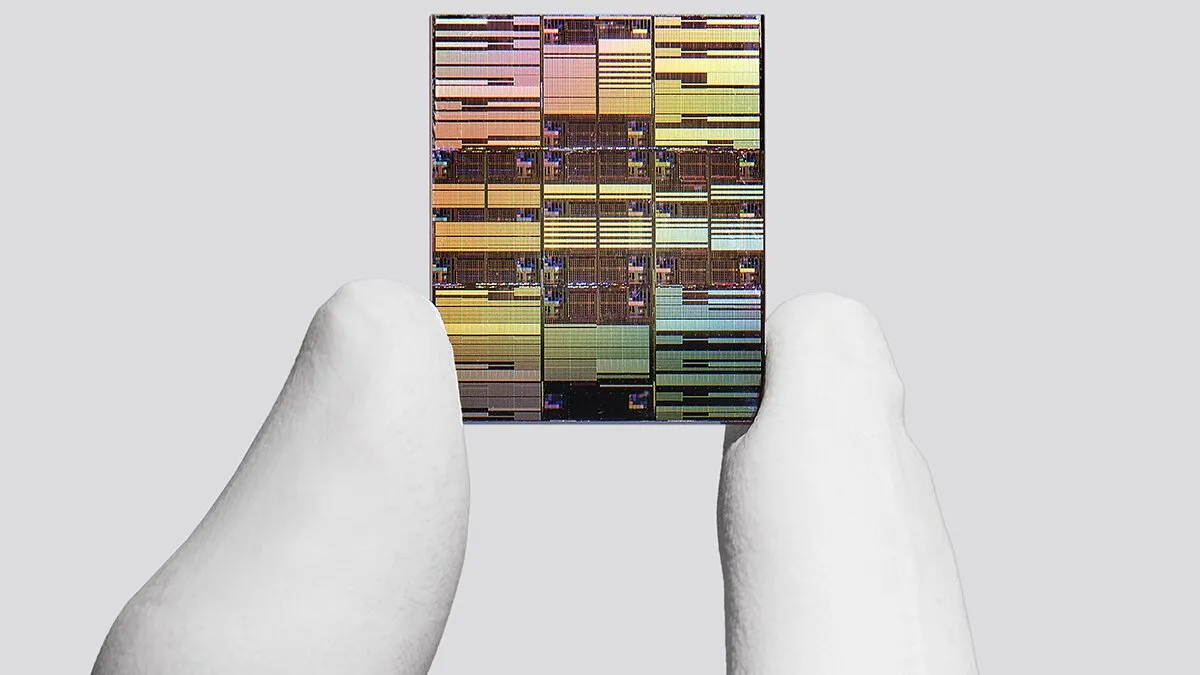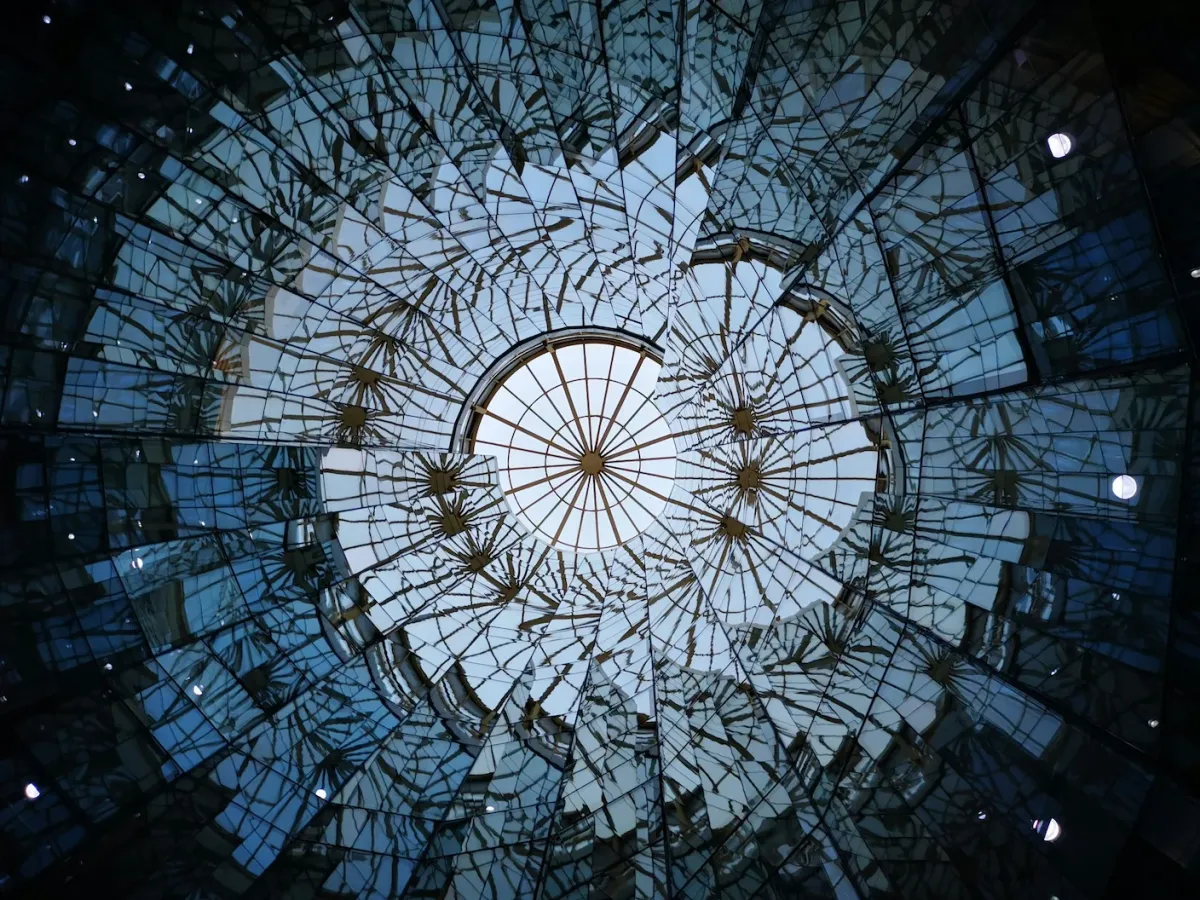
Remember when we thought AI was just going to take our jobs and maybe write some questionable poetry? Turns out, it's also moonlighting as an avant-garde artist, designing radio chips that look less like electronics and more like something you'd see in a gallery.
These AI-designed chips aren't just pretty; they're often better than the ones humans painstakingly craft, and they do it in a fraction of the time. Which, if you think about it, is both impressive and slightly terrifying for anyone who ever spent a semester in an electrical engineering lab.
The Future Is Now (And Maybe a Little Weird)
Meanwhile, IBM is quietly trying to extend Moore's Law for another decade by stacking transistors vertically. They're calling it a "nanostack," and it sounds less like a computer chip and more like a very tiny, very powerful Jenga tower. Because apparently, we haven't squeezed enough out of silicon yet.
We're a new kind of news feed.
Regular news is designed to drain you. We're a non-profit built to restore you. Every story we publish is scored for impact, progress, and hope.
Start Your News DetoxUp in the sky, a company called Sceye is testing a 200-foot, solar-powered platform that will float 18 kilometers above the ocean. Its mission? To boost Softbank's 5G network from the stratosphere, sending data directly to your device. So, your next video call might literally be powered by a giant, flying solar balloon. The future is truly a wild place.
Speaking of wild, scientists are now exploring a "dark dimension" that might connect dark energy and dark matter. Particle physicist Tim Tait suggests these two cosmic unknowns could be influencing each other, hinting at a unified theory of the dark universe. So, not only do we not understand 95% of the universe, but now we're theorizing about an entirely separate dimension for the stuff we don't understand.
And for a touch of grounded optimism, a new project aims to sequence the genomes of all 2,300+ endangered plant and animal species. Because if we can't save them all, at least we'll have their instruction manuals for future conservation efforts. It's like a digital Noah's Ark, but with more DNA and less actual ark.
Oh, and those fears about AI decimating engineering jobs? New data suggests those roles are surprisingly resilient. Turns out, while AI gets blamed for a lot, the reality on the ground is a bit more nuanced. Perhaps because AI is too busy making modern art out of radio chips to take all the jobs. It's also getting "loopy," with AI agents now prompting other AI agents to write code. Which sounds like the start of a very efficient, very self-sufficient robot uprising, but let's not get ahead of ourselves.