You know that feeling when you're walking down a tree-lined street? Cooler, calmer, maybe a little less convinced the world is ending? Yeah, well, dozens of scientists just made the case that those leafy giants aren't just a nice-to-have. They're non-negotiable.
Turns out, urban forests should be treated like your city's education system or public transit: essential infrastructure. That's the argument from Manuel Esperon-Rodriguez, an ecologist at Bangor University, and his co-authors in PLOS Climate. Because apparently, we've been wildly underestimating the quiet power of a good oak.

More Than Just Shade
Cities, bless their concrete hearts, get hot. Really hot. Trees, however, are basically nature's air conditioners, providing shade and releasing water vapor. They also help prevent your basement from becoming a new swimming pool during a downpour, soaking up stormwater and saving cities a fortune in flood damage. Because, let's be honest, heavy rains are the new normal.
We're a new kind of news feed.
Regular news is designed to drain you. We're a non-profit built to restore you. Every story we publish is scored for impact, progress, and hope.
Start Your News DetoxBeyond the practical, there's the 'not losing your mind' aspect. Green spaces are proven mood boosters. Urban farms can feed communities and create jobs. And for our feathered and furry friends, native trees are basically a five-star hotel with an all-you-can-eat buffet. Plus, they're scrubbing the very air we breathe. Which, if you think about it, is both impressive and slightly terrifying that we need trees to do it.
The Four-Point Plan to Not Mess This Up
So, how do we get more of these leafy heroes? Scientists have a four-point plan to fund, grow, and maintain all the vegetation within city limits — from the sapling on your sidewalk to the shrub in your backyard.
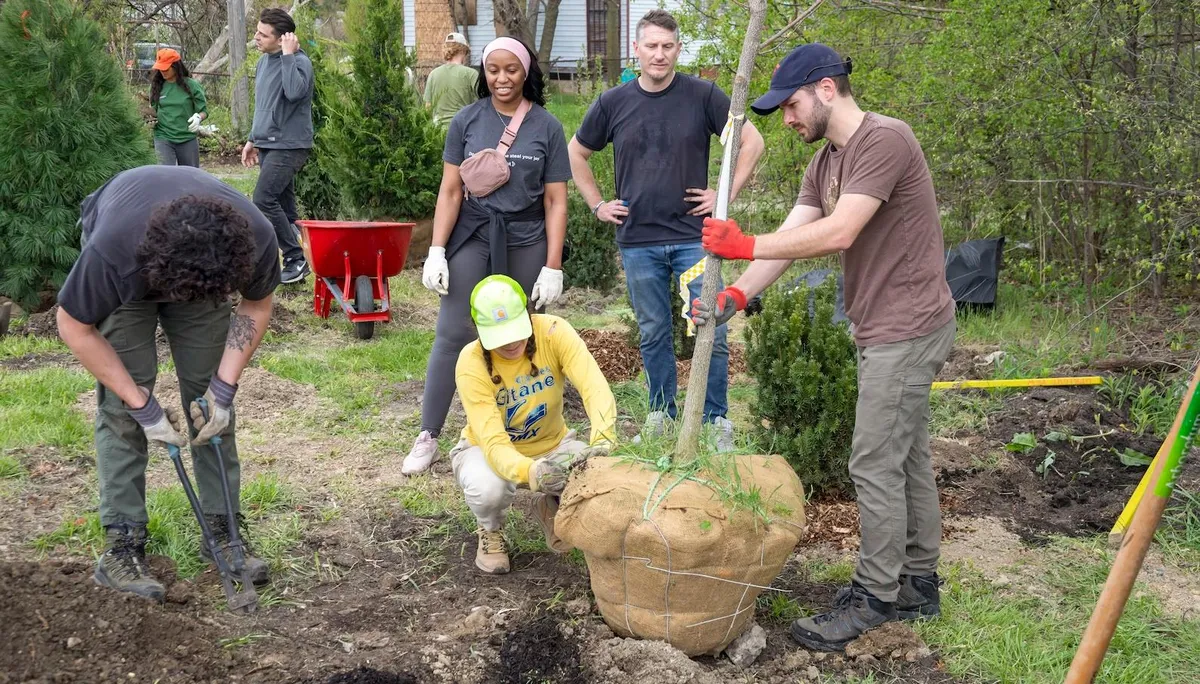
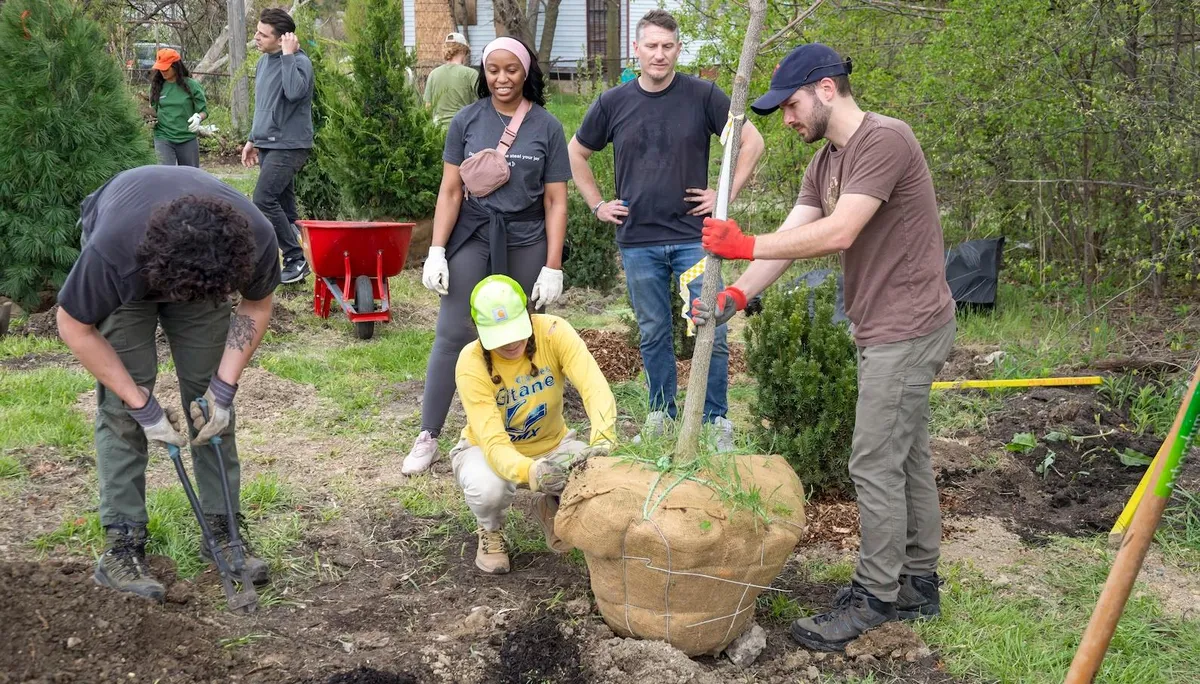
First up: actual investment. Not just planting a tree and walking away. We're talking dedicated budgets for maintenance, especially when they're young and vulnerable to every pest with a grudge. Esperon-Rodriguez calls urban forestry "critical infrastructure" for a reason. And it pays off: every dollar spent on parks and recreation can bring three dollars in local economic benefits. Healthier people, bustling businesses — it's a win-win.
Second, and this is crucial, it has to be fair. Right now, wealthier neighborhoods often look like lush oases while underserved communities bake. These areas, often lacking air conditioning, get hit hardest by the "urban heat island effect" — basically, buildings absorbing heat all day and radiating it all night. It's not just about shade; it's about health and recreation too.
Third, cities need to actually talk to people. Some folks want fruit trees; others are worried about sticky sidewalks or pollen. Community input isn't just polite; it's how you avoid a tree-planting rebellion. And to make sure these efforts stick, expanding tree cover equitably should be legally binding, not just a promise from the mayor that might vanish with the next election.
Finally, we need science to guide us. Which trees can survive the escalating temperatures? Which species will thrive for decades? The goal here isn't just a greener city for today, but a safer, healthier one for generations to come. Because apparently, the future depends on a really good tree.