June felt like a month of grand reveals, didn't it? From the deepest reaches of space to the intricate machinery of our own bodies, scientists kept pulling back the curtain, showing us how things really work. It was less about incremental steps and more about fundamental shifts in understanding — the kind that makes you re-evaluate everything you thought you knew. We saw nature's quiet resilience, humanity's unexpected cooperation, and the sheer audacity of quantum mechanics. If you've ever felt like the universe holds its cards too close, this month offered a thrilling glimpse into its hand.
The Quantum Universe Just Got Weirder (and More Useful)
Let's start where the laws of physics get squishy: the quantum realm. For decades, scientists have predicted a 'hidden phase of matter' — a state so elusive it seemed more theoretical than real. This month, a team finally caught this hidden phase in action, confirming decades of speculation. This isn't just about ticking off a theoretical box; understanding these exotic states is key to building next-generation quantum computers and materials. Meanwhile, the International Space Station's quantum lab, NASA’s Cold Atom Lab, got a superpower upgrade in space, allowing researchers to cool atoms to nearly absolute zero, pushing deeper into the unknown of quantum mechanics. And if that wasn't mind-bending enough, scientists found a way to make quantum time flow backwards, challenging our very assumptions about causality. These aren't just abstract ideas for physicists; these breakthroughs mean we're gaining unprecedented control over matter and energy, opening doors to technologies we can barely conceive of today.
"For more than 30 years, one number stood as a stubborn barrier in superconductivity research: 133 kelvin, or about minus 220 degrees Fahrenheit. No material had managed to superconduct at a higher temperature while remaining under ordinary pressure, despite decades of effort." — Read the full story
Wait—What is Brightcast?We're a new kind of news feed.
Regular news is designed to drain you. We're a non-profit built to restore you. Every story we publish is scored for impact, progress, and hope.
Start Your News Detox
This newfound control extends to practical applications, too. Scientists just broke a 30-year superconductor record, achieving superconductivity at a balmy -190 degrees Fahrenheit (for a brief moment, with a squeeze, but still!). Superconductors, which transmit electricity without energy loss, are the holy grail for everything from ultra-efficient power grids to levitating trains. Breaking that temperature barrier, even with pressure, signals a path toward more accessible, widespread use. If you've been hoping for a truly transformative energy shift, these fundamental leaps in physics just moved the goalposts.
Nature's Quiet Networks Are Cooler Than We Thought
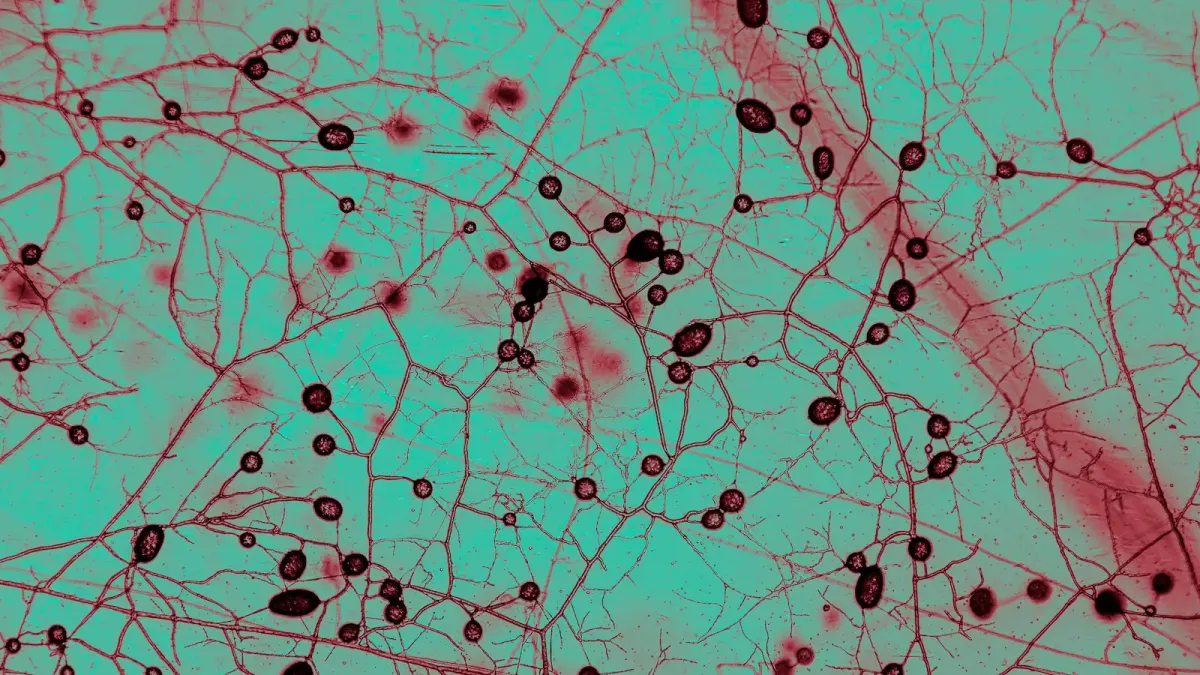
While we were busy looking at the stars, some of the most profound revelations of June came from right under our feet. Turns out, Earth has a hidden underground network quietly keeping it from boiling over. These arbuscular mycorrhizal fungi, which form vast subterranean networks of tubes called hyphae, exchange nutrients with plants and then siphon massive amounts of carbon into the soil. We're talking about 621 trillion miles of fungi networks crisscrossing the planet – a mind-boggling scale that actively cools Earth and keeps it verdant. This isn't just a fun fact; it's a reminder that nature has sophisticated self-regulation mechanisms that we're only just beginning to appreciate, and perhaps, leverage.
And speaking of leverage, this month brought news that critical coastal ecosystems are staging a comeback. Mangroves are making an unexpected recovery globally, according to a new study from Tulane University. These vital forests, which protect coastlines, store carbon, and provide habitats, were feared to be on the brink. The study found that while deforestation and degradation continue in some areas, overall, there's a global turning point for mangrove forests. This offers a potent reminder that sometimes, given a chance, nature doesn't just hold its own; it pushes back. If you've felt despair over environmental headlines, this month offered a powerful counter-narrative of resilience and recovery.
Health Breakthroughs That Rewrite the Rules
June was also a blockbuster month for human health, with several breakthroughs that promise to rewrite treatment protocols. Perhaps the most striking came from the fight against cervical cancer: a new study found zero cervical cancer deaths in vaccinated young women. That's not a reduction; that's zero. Since school-age girls were offered the HPV jab in 2008, hundreds of lives have been saved, providing a stark, undeniable testament to the power of preventative medicine. This isn't just about a single cancer; it's a blueprint for what's possible when public health initiatives are effectively implemented.
"A Stanford Medicine study has identified a protein that roughly doubles in aging joints and blocks cartilage from repairing itself. Blocking that protein in older mice regenerated hyaline cartilage across the joint surface." — Read the full story
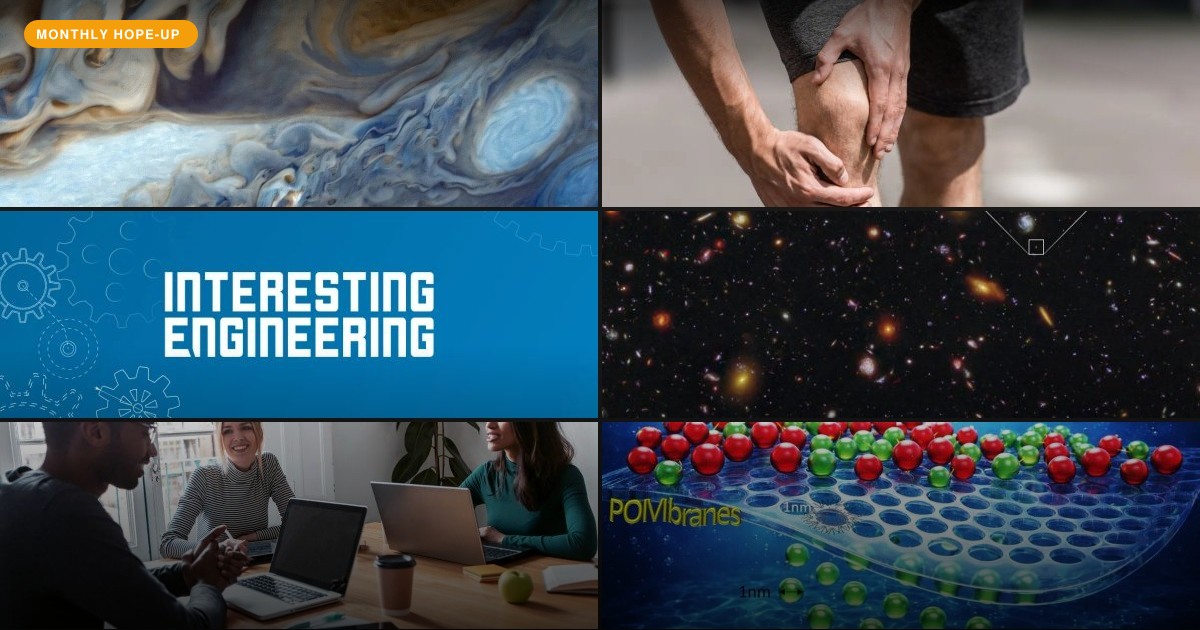
Meanwhile, in the realm of regenerative medicine, scientists found a protein that stops knees from healing. Then they blocked it. A Stanford Medicine study identified a protein that doubles in aging joints, preventing cartilage repair. By blocking it in older mice, they regenerated hyaline cartilage across the joint surface. This isn't just about creaky knees; it's a fundamental shift in how we might approach age-related degeneration. And for the 800 million people suffering from chronic kidney disease without diabetes, a drug previously approved for diabetic kidneys, finerenone, just got good news for 800 million more people, showing powerful new benefits in protecting kidney function. If you've been hoping for concrete advances in widespread health issues, this month delivered a powerful dose of progress.
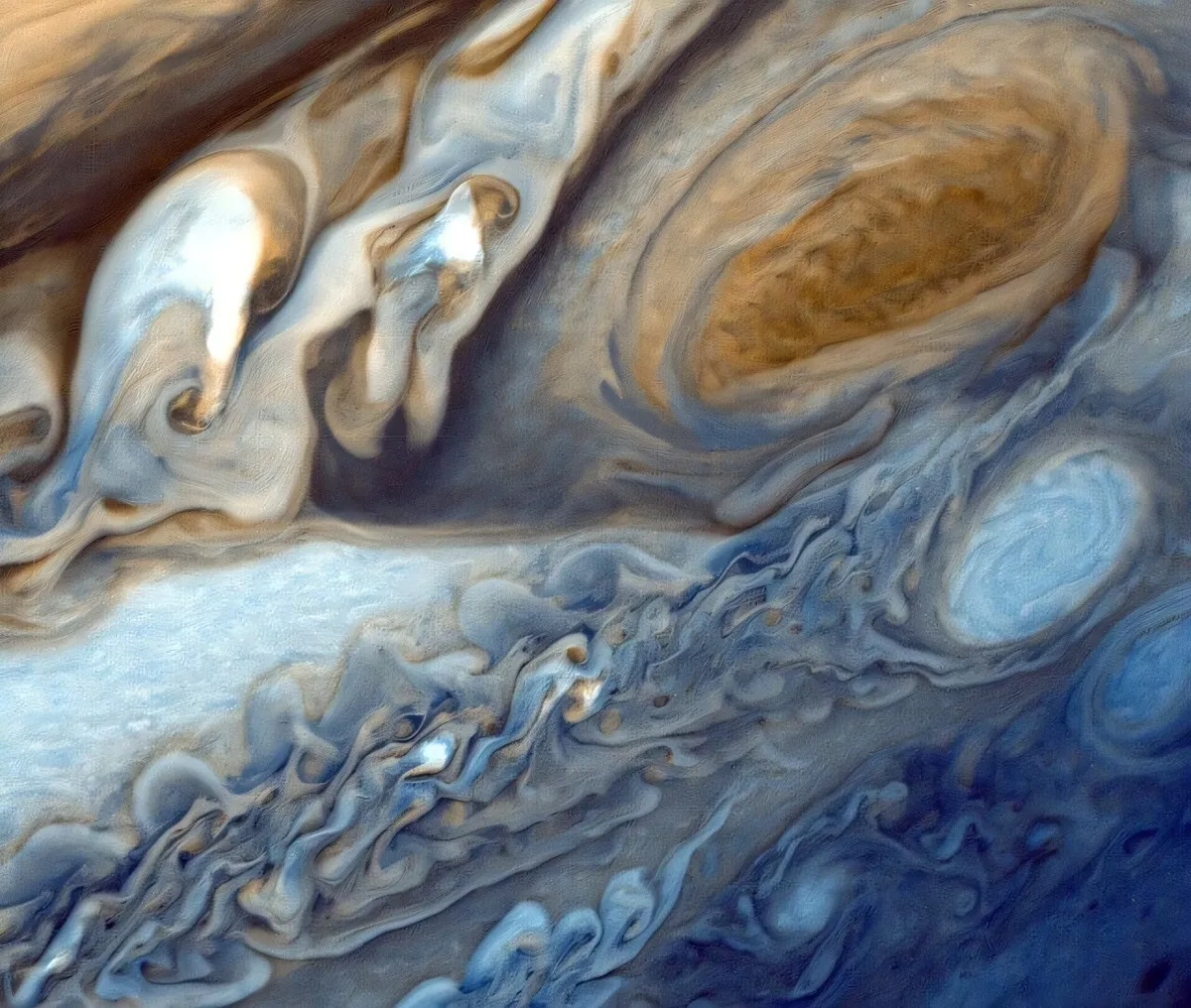
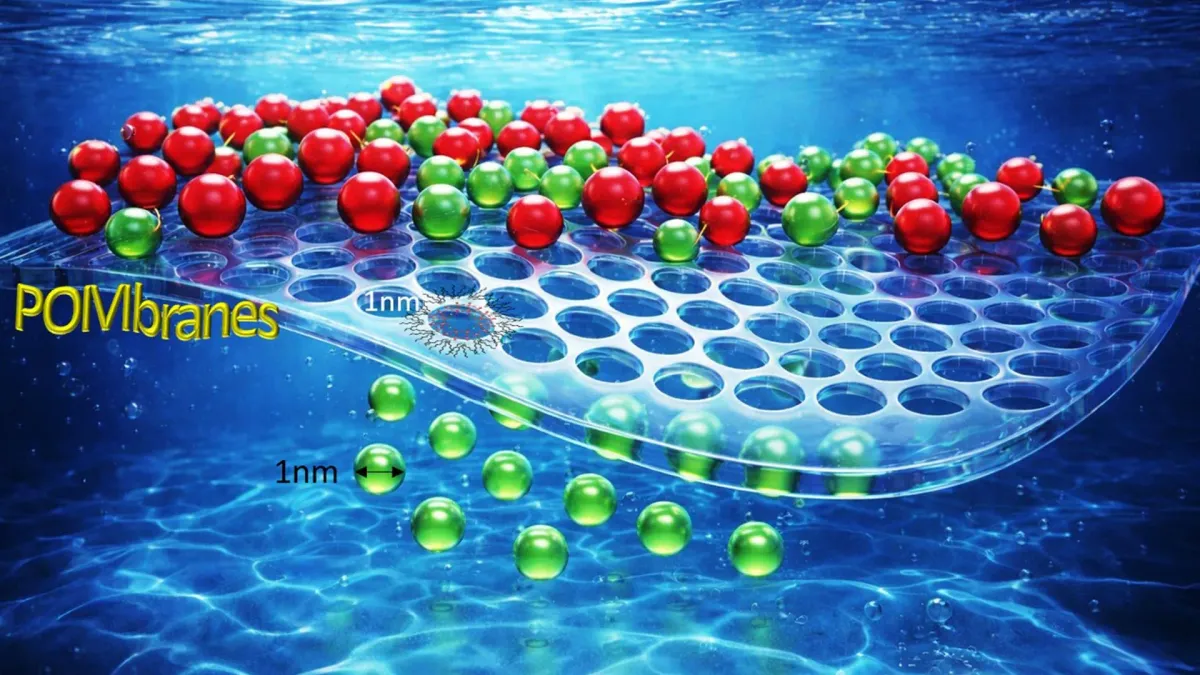
June was a month where the invisible became visible, the theoretical became tangible, and the seemingly impossible became possible. From the vast cosmic accelerators flinging electrons at light speed around Jupiter's Bow Shock to the tiny, perfect holes that could revolutionize water purification, it felt like we were all given a backstage pass to the universe's most intricate workings.
Hope stat: 0 — cervical cancer deaths among vaccinated young women in the UK, a testament to the power of preventative medicine.
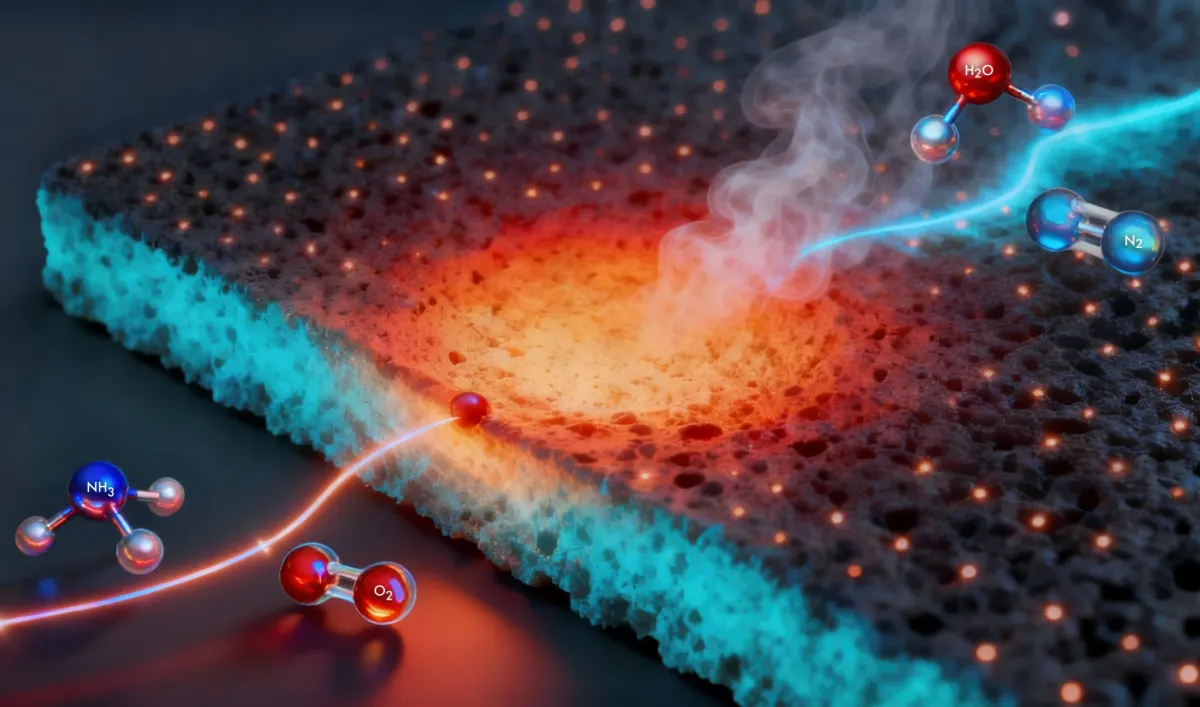
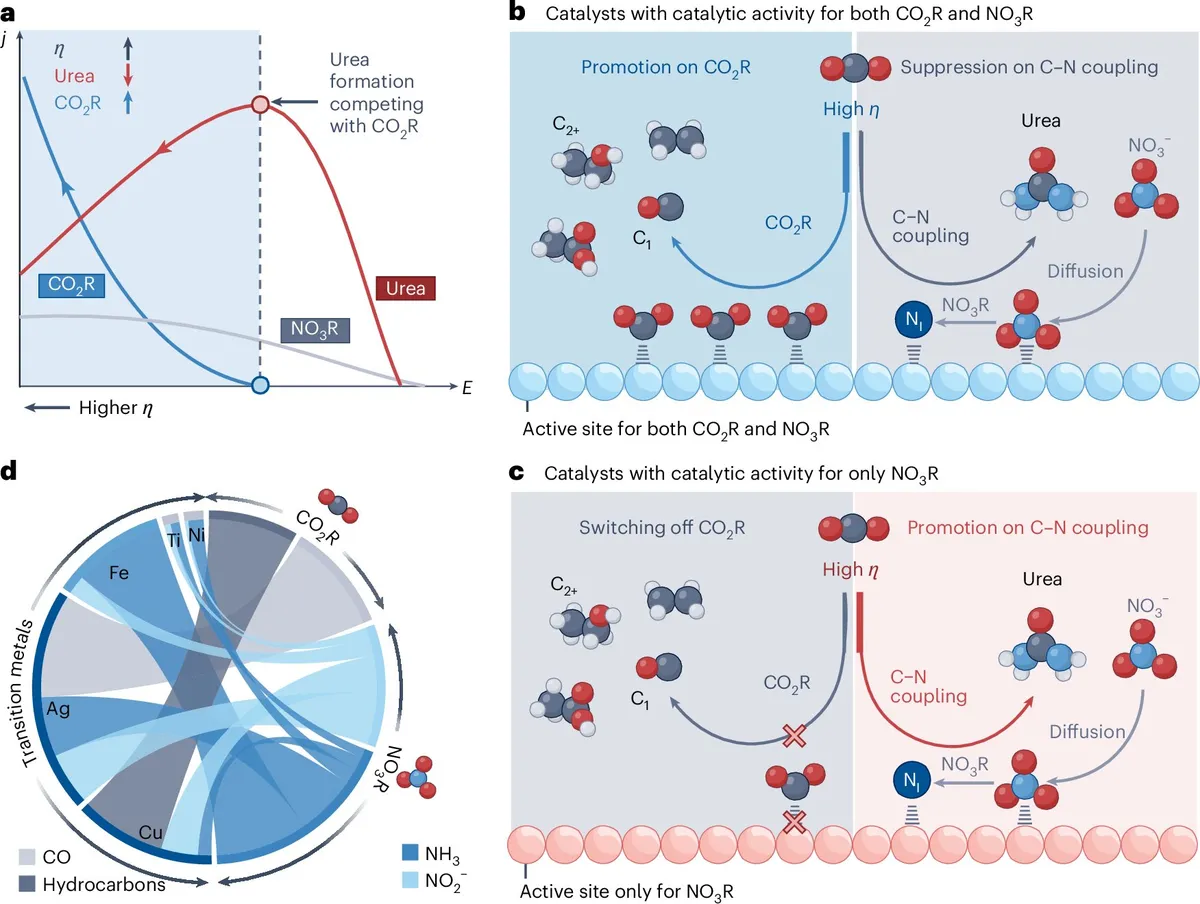
Watch this space: The continued advancements in AI-guided catalyst design, particularly for sustainable fuels and fertilizers, are rapidly accelerating and promise even more breakthroughs next month.