Imagine a highway system so vast it would stretch to the sun and back a billion times. Now imagine it's underground, invisible, and made of fungi. Because apparently, that's where we are now.
A new analysis reveals that Earth's topsoils are crisscrossed by an estimated 621 trillion miles of fungal pathways. These aren't just pretty filaments; they're the planet's unsung heroes, moving carbon, water, and nutrients between plants and soil. They're basically the internet, but for dirt.
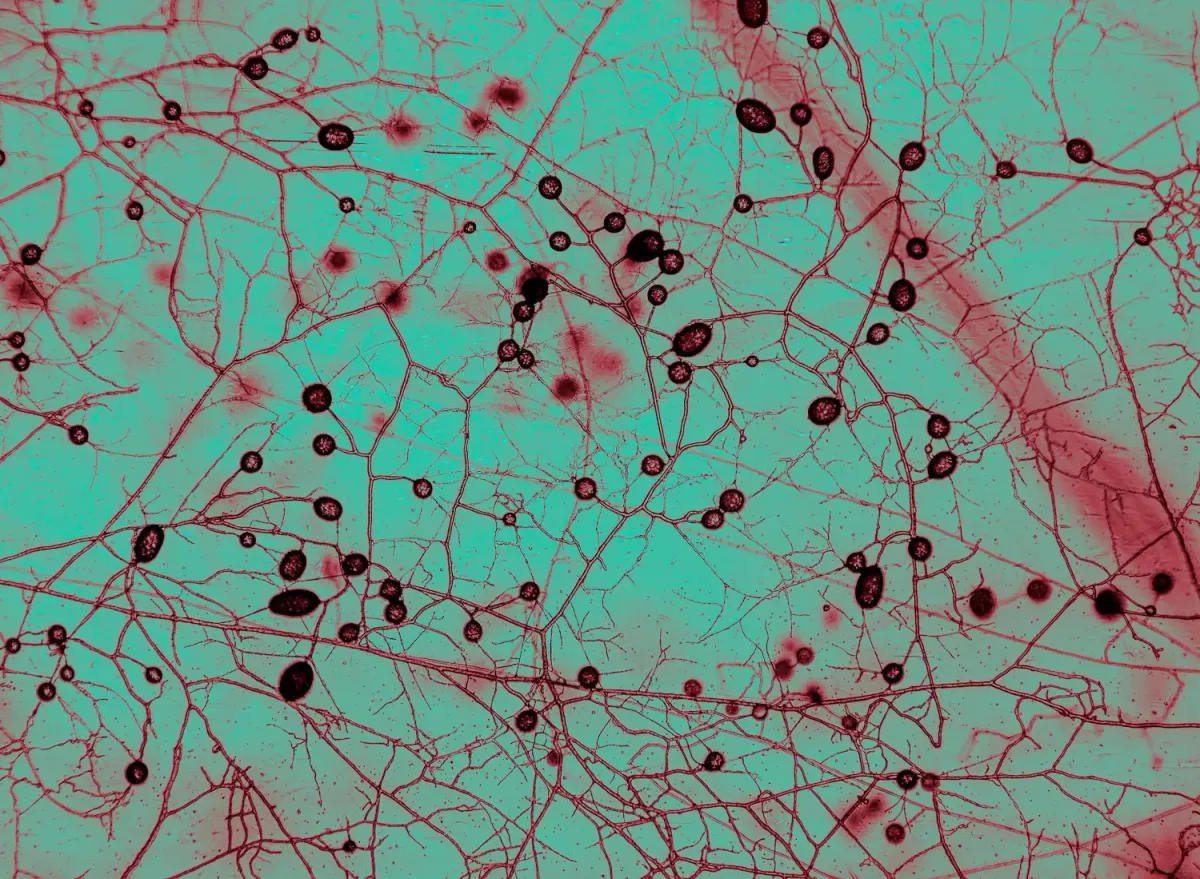
These arbuscular mycorrhizal (AM) fungi partner with 70% of Earth's plant species. Plants provide carbon; fungi deliver nutrients and water, dramatically boosting a plant's foraging range by up to 100 times. Then, the fungi dutifully shuttle that carbon into the soil, where it supports most of life as we know it.
We're a new kind of news feed.
Regular news is designed to drain you. We're a non-profit built to restore you. Every story we publish is scored for impact, progress, and hope.
Start Your News DetoxThe Unseen Infrastructure Beneath Our Feet
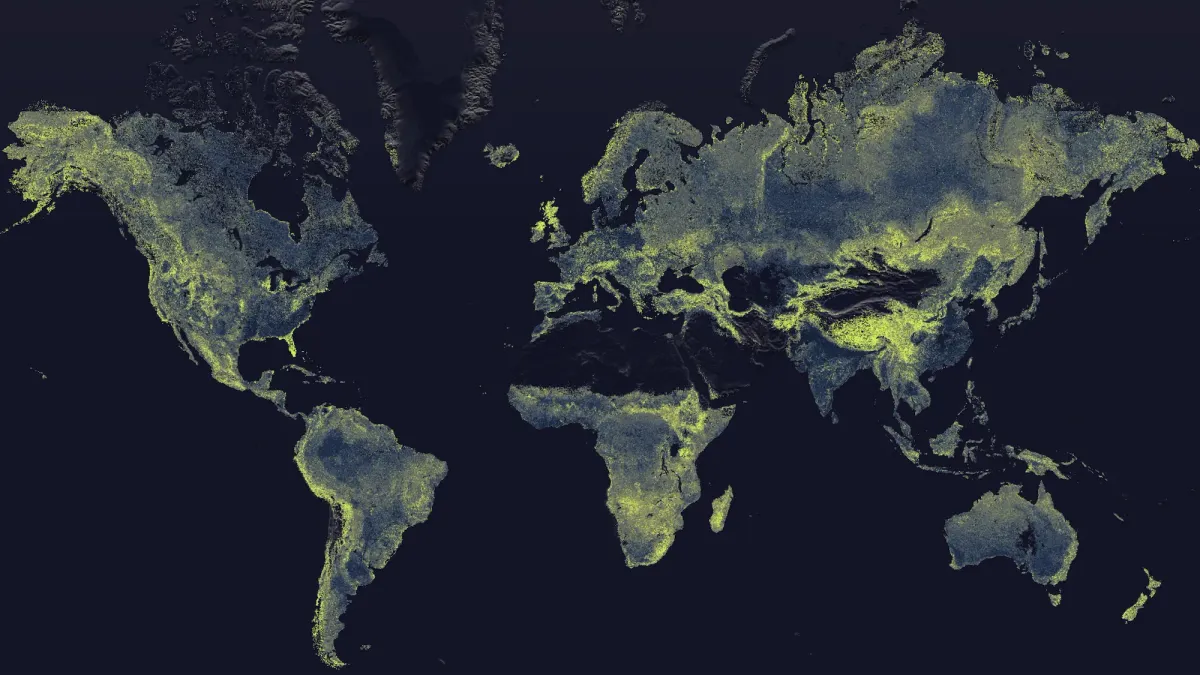
This mind-boggling scale comes from the Society for the Protection of Underground Networks (SPUN), which launched a global mapping project called A Hidden Infrastructure. To put that 621 trillion miles into perspective: it's nearly a billion times the Earth's distance from the sun. The carbon held within these networks? Around 300 megatons, or four to six times the mass of all humans. Let that satisfyingly large number sink in.
Justin Stewart, a SPUN mycologist, points out just how dense these networks are. You could find up to 32 feet of mycorrhizal network in a single teaspoon of soil. And these carbon-nutrient supply chains are shockingly fast, zipping along at speeds equivalent to 248 miles per hour if scaled to human size.
Every year, these fungi pull about four billion tons of carbon dioxide into the soil. That's roughly 11% of all human-produced emissions. Mycologist Matt Kasson, while impressed, isn't surprised, calling fungi some of the most important, yet underappreciated, organisms on Earth.
Protecting the Underground Superhighways
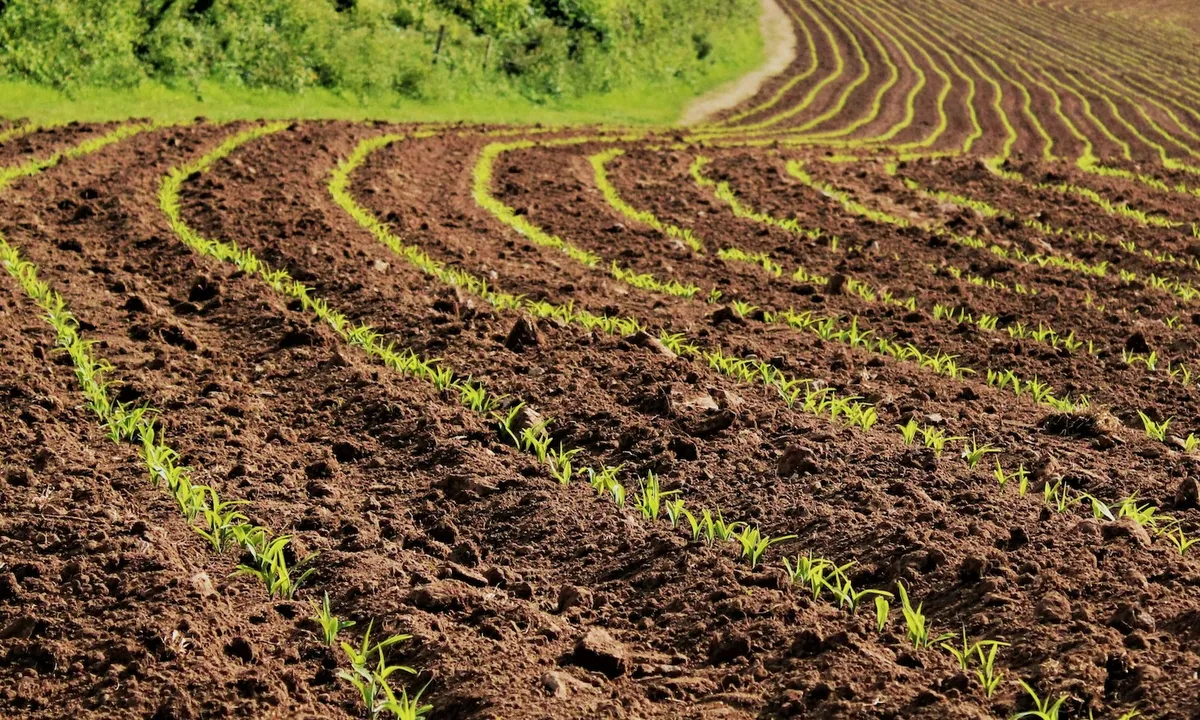
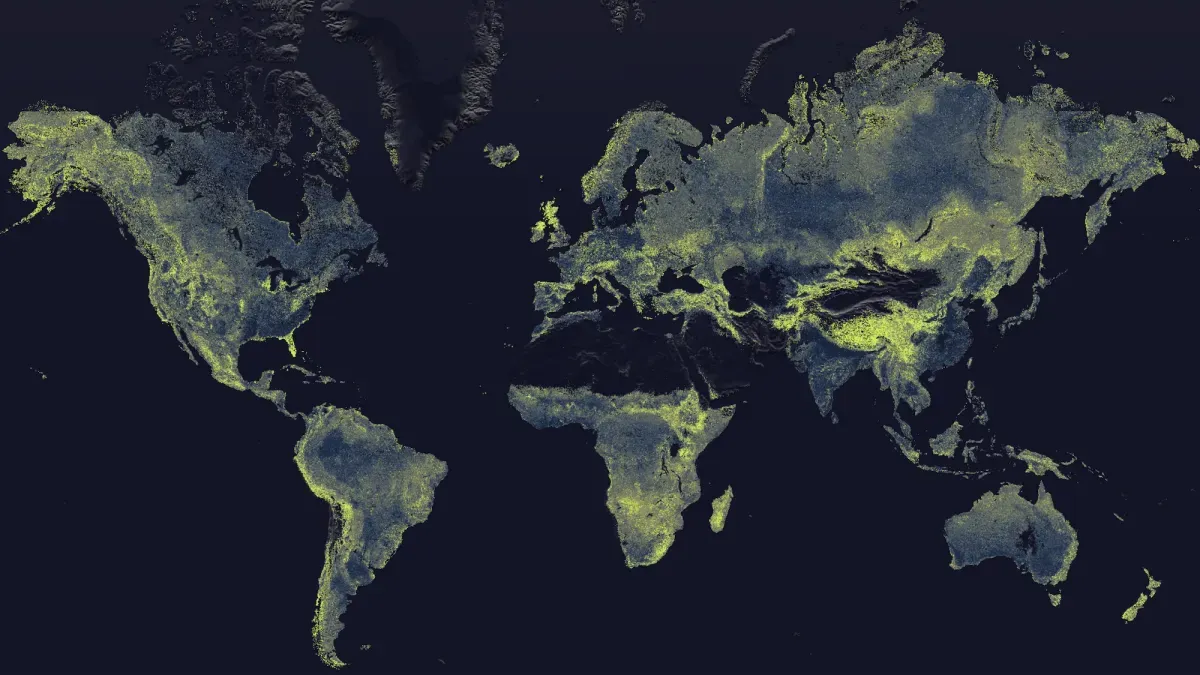
The SPUN team's modeling highlights a critical issue: grasslands hold about 40% of these vital AM infrastructures. Think the Florida Everglades, the Tibetan plateau, and South Sudan. The problem? Grasslands are being converted to farmland four times faster than forests, and when they are, these crucial underground networks can shrink by half.
In fact, the mapping confirms that a whopping 95% of AM fungi hotspots are currently outside protected regions. Biologist Merlin Sheldrake, a co-author, notes that these fungi have been shaping life for millions of years. It seems only fair we start paying a bit more attention to them now.
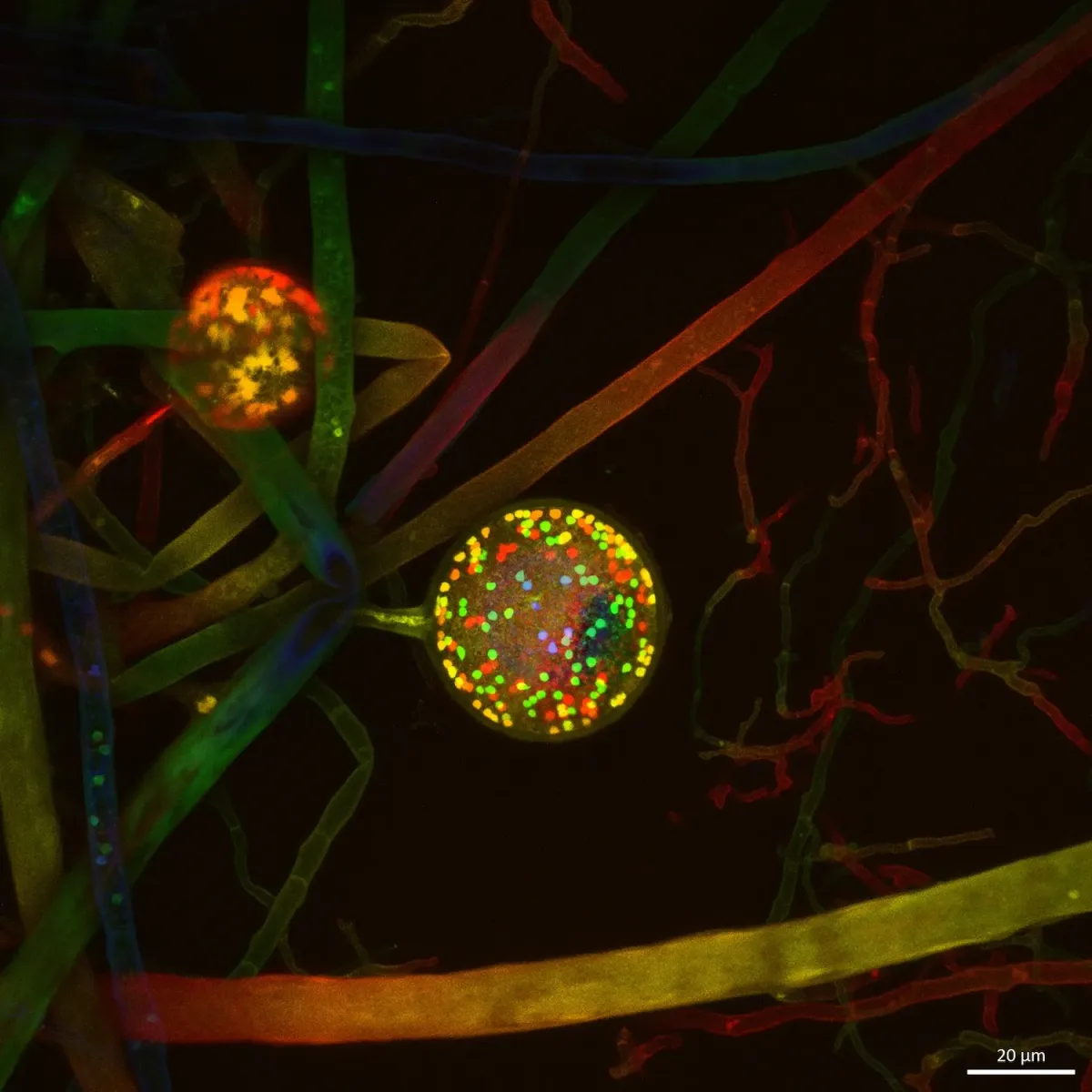
Kasson sums it up perfectly: we've formally described less than 10% of known fungi. How are we supposed to convince anyone that these unsung heroes are crucial for life on Earth if we barely even know who they are? Time to get acquainted with the neighbors underfoot.