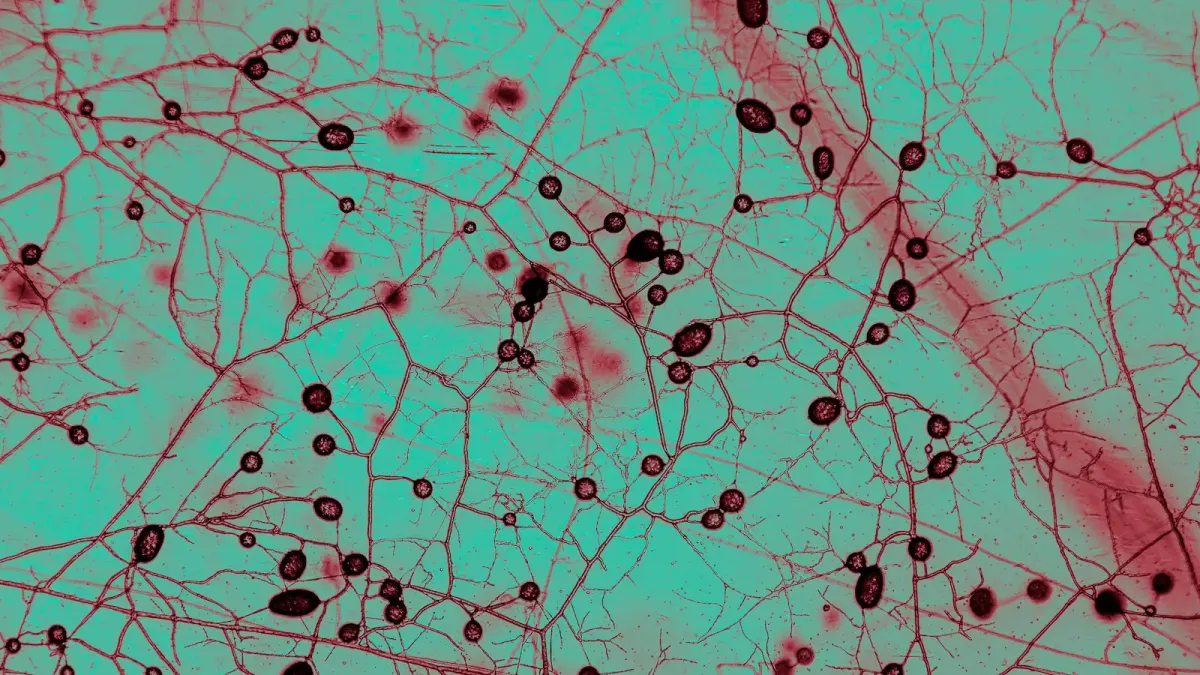
Even if your idea of a good time doesn't involve foraging for fungi, you owe them a debt of gratitude. Specifically, to a group called arbuscular mycorrhizal (AM) fungi. These microscopic marvels weave an unfathomably vast, hidden network beneath our feet, making Earth green and, surprisingly, a little cooler.
These fungi are basically the ultimate wing-people for plants. They plug into plant roots and trade nutrients, forming partnerships so fundamental that nearly three-quarters of all plant species rely on them. Without this subterranean handshake, our planet would look a lot less like a vibrant garden and a lot more like, well, something else entirely.

The Planet's Hidden Plumbing System
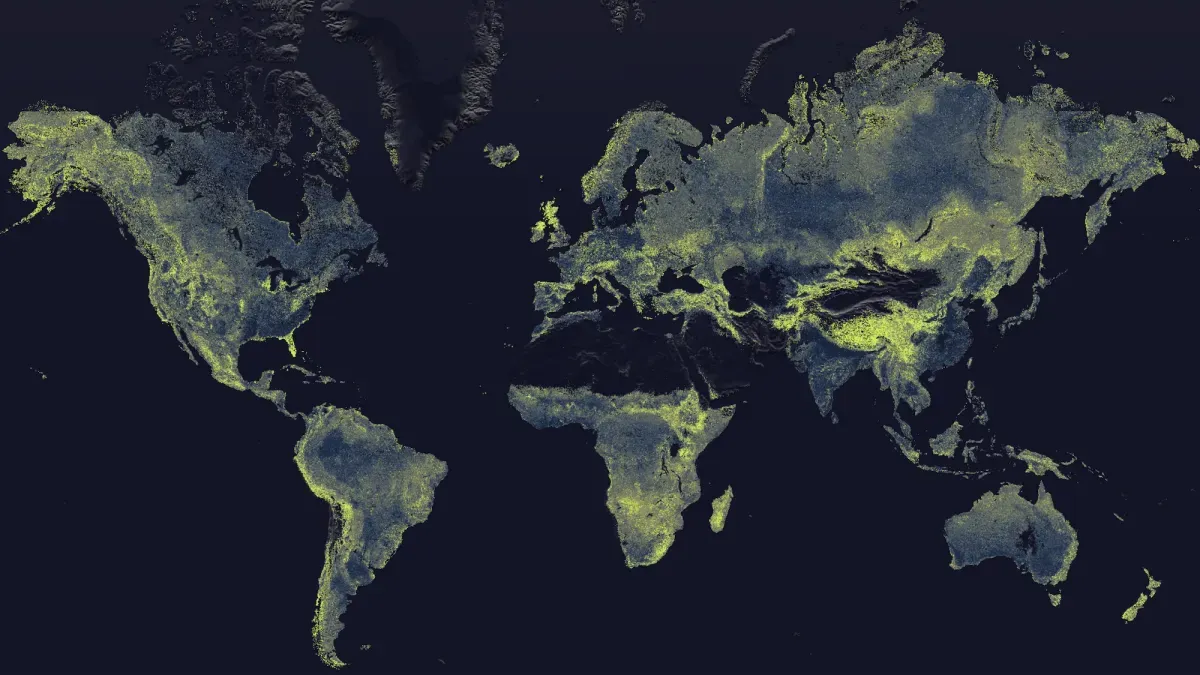
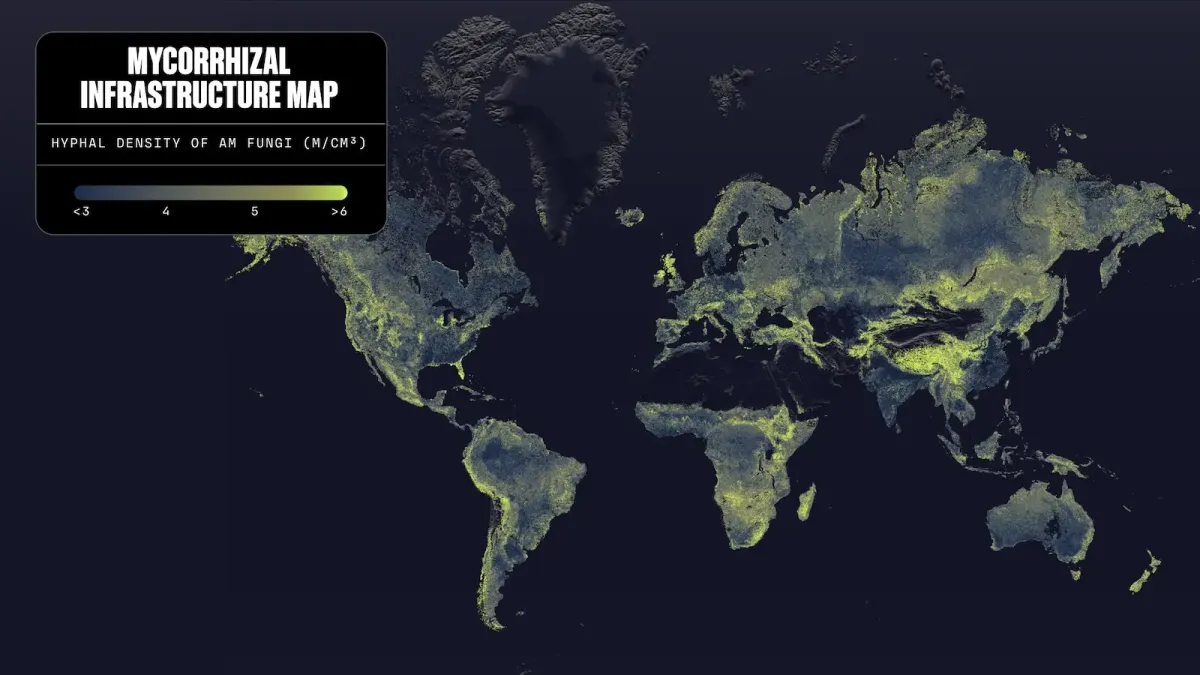
Mapping something that lives entirely underground is, as you might imagine, a bit of a challenge. You can't just unroll the Earth and take a peek. But scientists, being scientists, found a way. Using a little machine learning magic, they’ve estimated the global AM fungal network stretches 110 quadrillion kilometers. Let that satisfying number sink in. That's almost a billion times the distance from Earth to the sun.
We're a new kind of news feed.
Regular news is designed to drain you. We're a non-profit built to restore you. Every story we publish is scored for impact, progress, and hope.
Start Your News DetoxTo put it another way: a single teaspoon of soil can hold 10 meters of these fungal strands. And every year, these tiny tubes shuttle about 4 billion metric tons of carbon, which is a cool 11% of humanity's annual CO2 emissions. Researchers fed thousands of soil samples into their models, which can now predict fungal hotspots and cold spots, even in the most remote corners of the world.
As Toby Kiers, co-author of the new Science paper and executive director of the Society for the Protection of Underground Networks, put it, we finally have a clear picture of these hidden systems moving carbon and nutrients right beneath us. Which, if you think about it, is both impressive and slightly terrifying. Imagine the sheer volume of life happening without us ever seeing it.
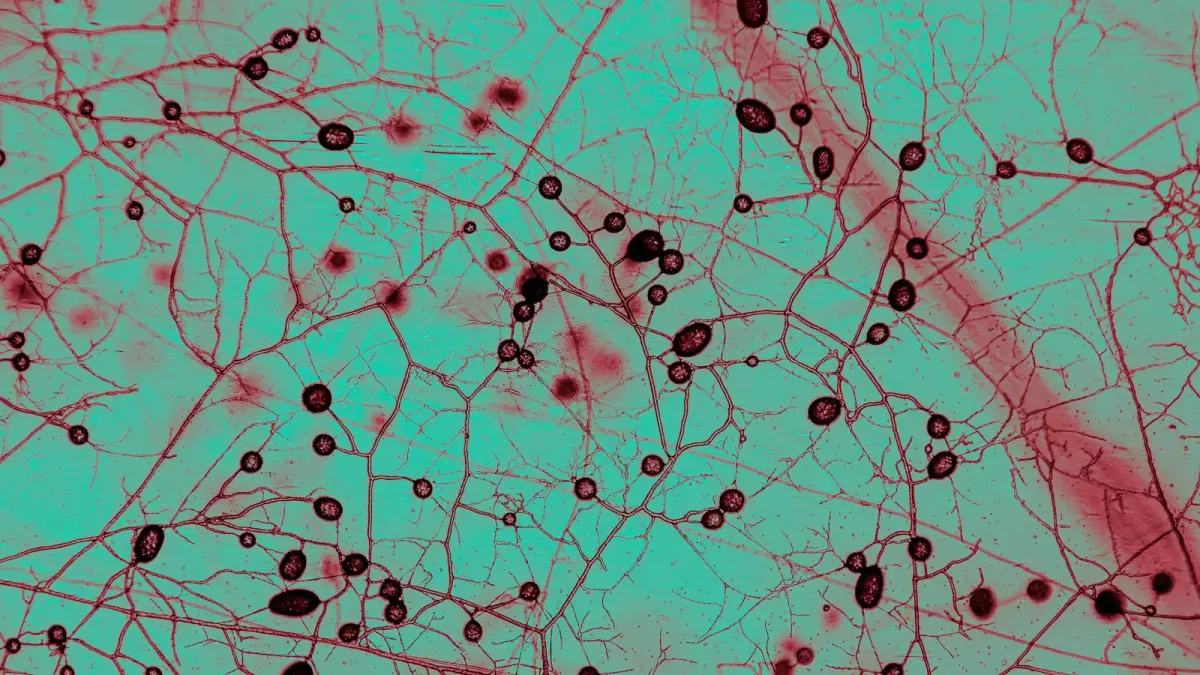
These fungi act like an extended root system for plants, helping them suck up more water and nutrients. Kiers explains it like a circulatory system, moving resources through microscopic fungal pipes. In exchange, the fungi get carbon from the plants — carbon that plants pull straight from the atmosphere. It's a beautiful, mutually beneficial arrangement that helps plants grow, store more carbon, and ultimately, helps us slow down global warming.
Surprisingly, it's not the lush tropical rainforests that boast the most AM fungi. Grasslands, those often-overlooked stretches of green, hold a whopping 40% of the predicted global AM biomass. This could be because grasses are more generous with their carbon offerings to fungi than trees are. Plus, grasslands have truly enormous root systems, meaning a vast, hidden fungal biomass.
Even if a grassland burns above ground, Kiers points out, the carbon often stays locked away underground, allowing the grass to regrow. Forests, not so much.
Protecting the Unseen Powerhouses
Here’s the rub: only 5% of AM fungal biodiversity hotspots are currently in protected areas. These new maps, however, offer a crucial tool for scientists and policymakers to identify and safeguard these vital fungal hubs. Protecting these fungi isn't just about the fungi; it's about protecting the plants, the birds, the insects, and the herbivores that rely on that vegetation. It's about capturing more carbon in the soil, like the huge amounts stored in the peat of savannas like Brazil's cerrado.
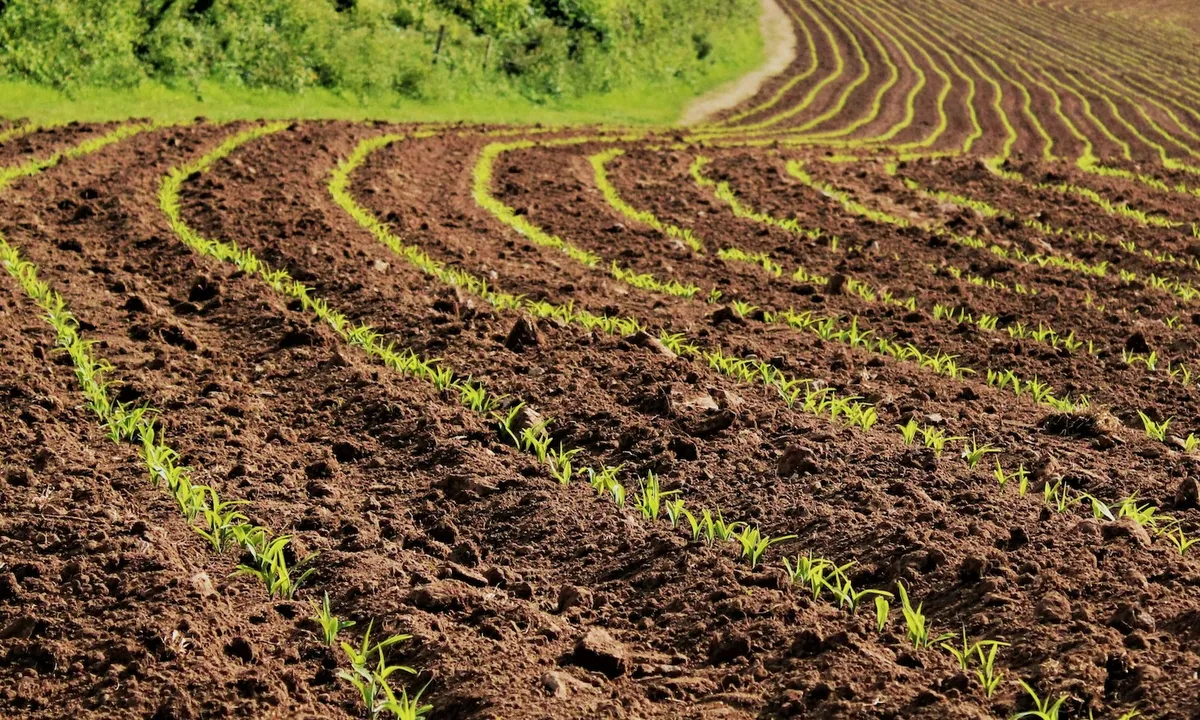
On the flip side, large-scale agriculture areas show about 50% lower fungal network densities. This is likely because synthetic fertilizers give crops all the nutrients they need, making them less reliant on their fungal partners. And tillage — turning over the soil — essentially breaks apart these delicate networks, which, if you just mapped a quadrillion kilometers of it, seems like a pretty bad idea.
Ecologist Smriti Pehim Limbu suggests we can improve agricultural systems to boost fungal biomass and, in turn, capture more CO2. We need to feed ourselves, yes, but this new data helps us do it while protecting these absolutely vital underground species. Kiers likens these new maps to early charts of ocean currents or river systems. We've moved from knowing a system exists to understanding where it is, how dense it is, and where it’s most at risk. Now, what are we going to do with that information?