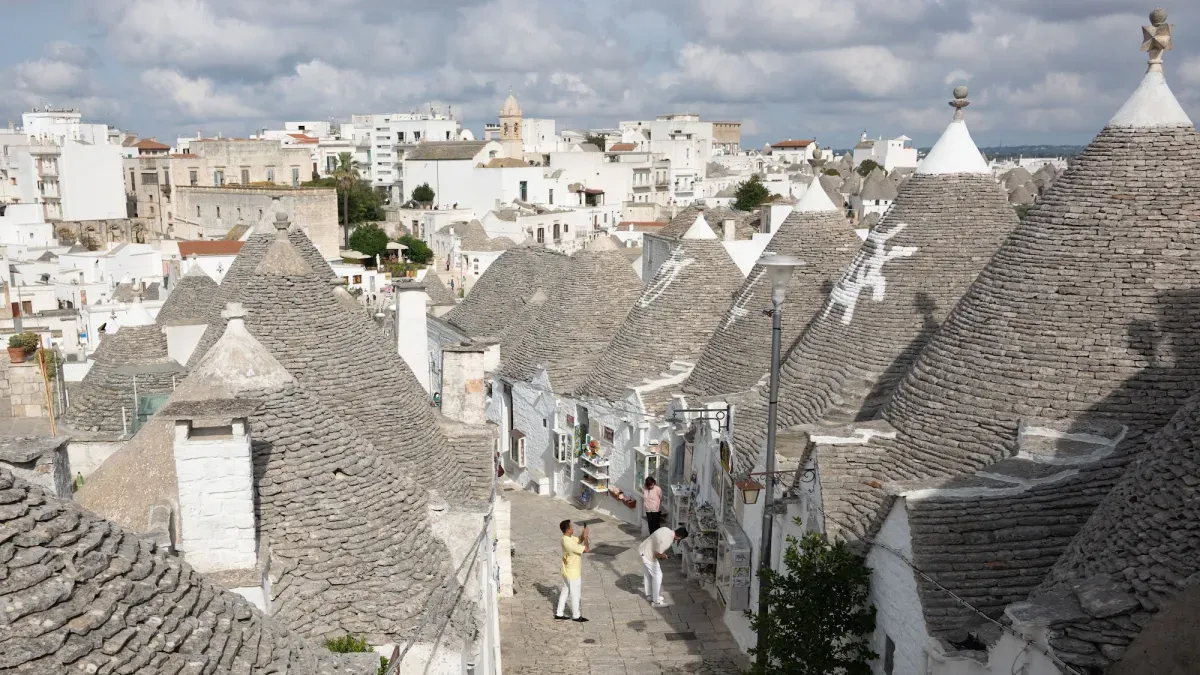
As summer temperatures in Italy climb to frankly absurd levels, some Italians are saying "basta!" to modern AC and heading straight for the past. Specifically, to medieval, cone-roofed homes called trulli.
These architectural oddities, once considered a relic of tougher times, are making a very sensible comeback. Because it turns out, a building designed in the 1300s might just be better at keeping you cool than your average modern apartment.
The Original Cool Kids' Club
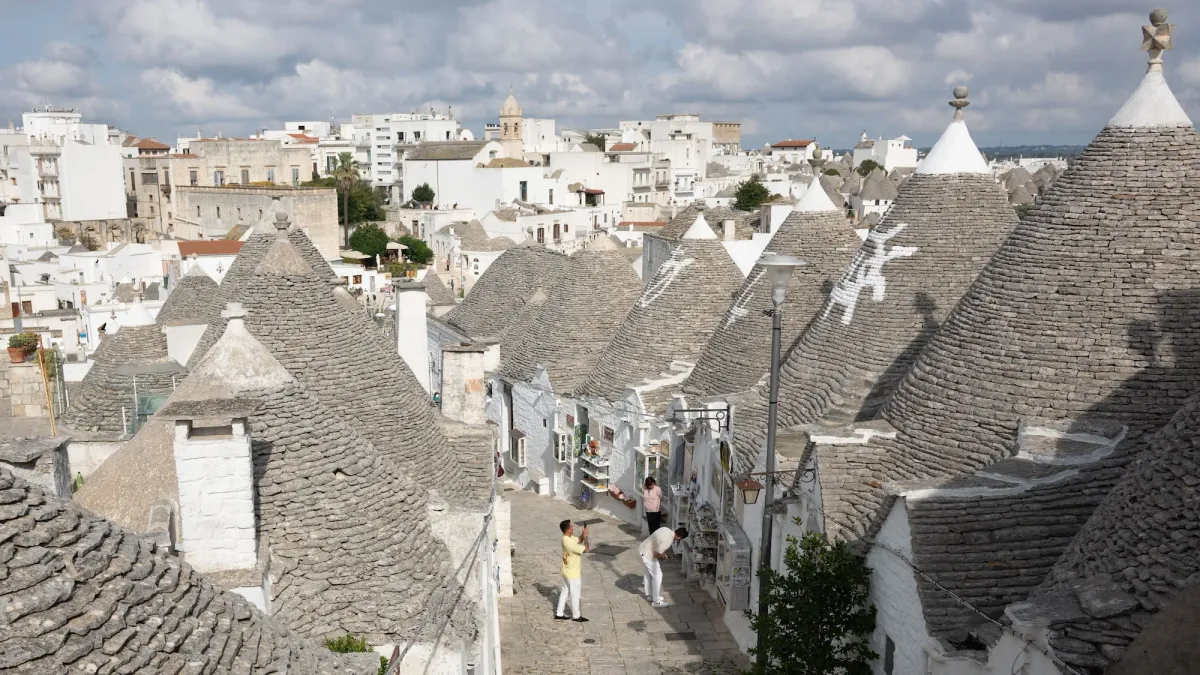
Trulli first popped up in the mid-14th century, mostly as single-room dwellings with a distinctive, chunky cone roof. Farmers built them from the limestone they pulled from their own fields. And here's where the genius comes in: those walls are thick. We're talking five to ten feet deep in some cases. Which, if you think about it, is both impressive and slightly terrifying.
We're a new kind of news feed.
Regular news is designed to drain you. We're a non-profit built to restore you. Every story we publish is scored for impact, progress, and hope.
Start Your News DetoxThe limestone itself is the real MVP. It soaks up moisture all winter long. Then, when summer rolls around and the sun starts really showing off, that moisture slowly evaporates, creating a natural cooling effect inside. The cone roof also does its part, politely ushering any extra heat upwards and out.
The result? A trullo typically stays a delightful 12.6 to 18 degrees Fahrenheit cooler than the sweltering outside. On a really brutal day, that difference can jump to more than 25 degrees. Let that satisfying number sink in.

For decades, trulli were out of fashion, replaced by the cement-heavy buildings of the 20th century. Francesco Fragnelli, a trulli restorer, notes that these homes used to symbolize hardship. Now, they're symbolizing something else entirely: smart design.
Artisans like Fragnelli aren't just fixing the old ones; they're building new trulli from scratch. Gerardo Biancofiore, representing Italian builders, confirms the demand is soaring. Because apparently, that's where we are now: looking to the Middle Ages for climate solutions.
Biancofiore points out that with heat waves becoming the norm, these traditional methods are more than just quaint. They're inspiring sustainable architecture, showing how we can build homes that actually stand a chance against a warming planet. Who knew the future of cool lay in a centuries-old cone made of rocks?