Turns out, a significant chunk of adults living with obesity are now sporting cholesterol and blood pressure numbers that look suspiciously similar to those of people with a healthy weight. In some particularly impressive cases, they're even better.
Historically, carrying extra weight often meant a one-way ticket to higher blood pressure and less-than-stellar cholesterol. But a new study suggests that, for the over-40 crowd, those differences have largely vanished. Because apparently, we have medication for that.
The Unsung Heroes of Your Heart
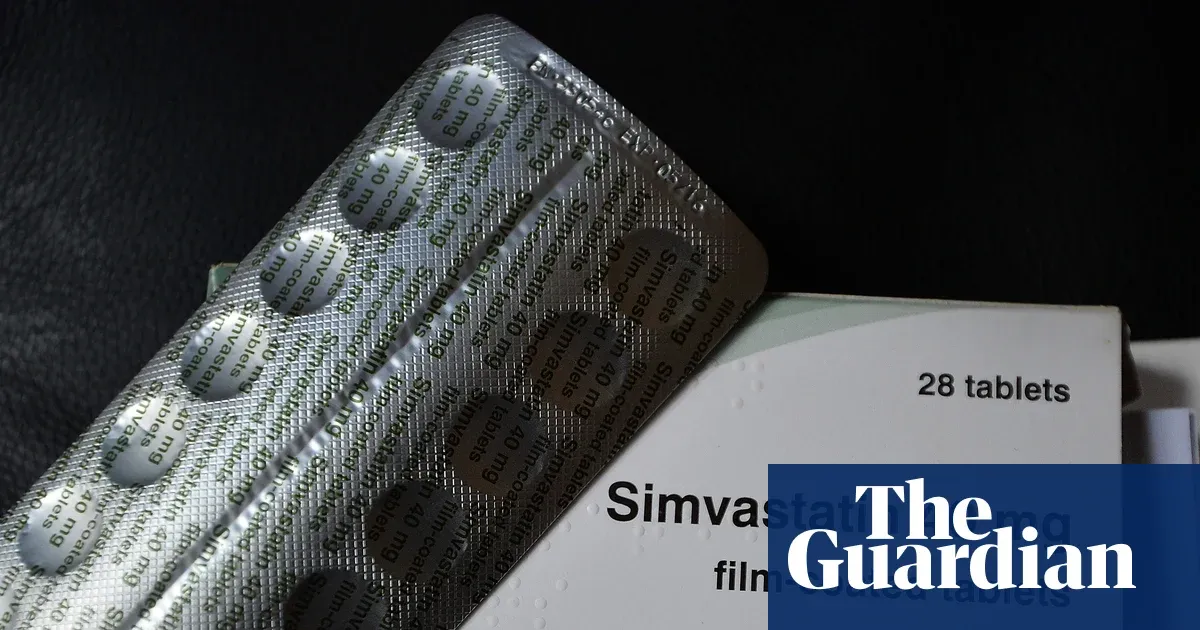
Experts are pointing fingers (the good kind) squarely at cholesterol-lowering drugs like statins and a whole host of blood pressure medications. People with obesity tend to use these drugs more frequently, and the results are speaking for themselves. This shift is a pretty big deal, especially as new weight-loss medications enter the scene, changing how doctors think about heart health.
We're a new kind of news feed.
Regular news is designed to drain you. We're a non-profit built to restore you. Every story we publish is scored for impact, progress, and hope.
Start Your News DetoxProfessor Majid Ezzati from Imperial College London noted that these meds have effectively leveled the playing field for middle-aged and older adults, bringing their heart risk levels in line with those of people with a normal BMI. It's almost like a cheat code for your cardiovascular system.
The Million-Person Data Drop
The study, published in The Lancet, wasn't exactly a small-town affair. It crunched data from nearly 1 million adults between the ages of 20 and 79. This mountain of information came from 110 health surveys conducted over three decades (1990 to 2024) across seven countries, including the usual suspects: England, the US, and Japan.
Researchers meticulously tracked blood pressure, cholesterol, BMI, and, crucially, who was taking what medication. They discovered that unhealthy cholesterol and blood pressure levels steadily declined over time, with the most dramatic improvements seen in people with obesity. The result? For the older demographic, the risk factors between those with obesity and those with a normal BMI became, in the words of the study, "indistinguishable from, or better off than."
A Few Caveats (Because There Always Are)
Before we all start celebrating with an extra slice of cake, Professor Edward Gregg, also from Imperial College London, gently reminds us that obesity still brings a host of other health problems to the party. So, while your heart might be doing great, other systems might still be sending you passive-aggressive emails.
And here’s the kicker: for adults under 40 with obesity, those unhealthy cholesterol and blood pressure levels are still hanging around. Yse d’Ailhaud de Brisis, another author on the study, emphasized that younger adults with obesity still face higher cardiovascular risks. Her advice? Early lifestyle changes, screenings, and medication should be on the table for this group to prevent future heart drama.
Professor Bryan Williams of the British Heart Foundation hailed this as a "powerful public health success story," showcasing just how effective modern treatments for blood pressure and cholesterol have become. But, in a classic glass-half-empty-but-still-grateful move, he also pointed out that we need these medications because obesity is such a party pooper for heart health, not to mention diabetes, kidney disease, and some cancers. So, good news, but maybe still eat your vegetables. Just in case.