Ever wonder if your brain's secretly older than your actual age, while your heart's still rocking its twenties? Well, Stanford Medicine just developed a blood test that can tell you precisely that for 11 different organ systems. And it turns out, knowing your organs' real ages could predict your future health risks years down the line.
Because, apparently, our organs don't all age at the same rate. Your brain might be putting in overtime while your kidneys are still on vacation. These discrepancies, researchers found, are strongly linked to which diseases you're likely to develop and, you know, how long you'll stick around.
What Your Organs Are Whispering
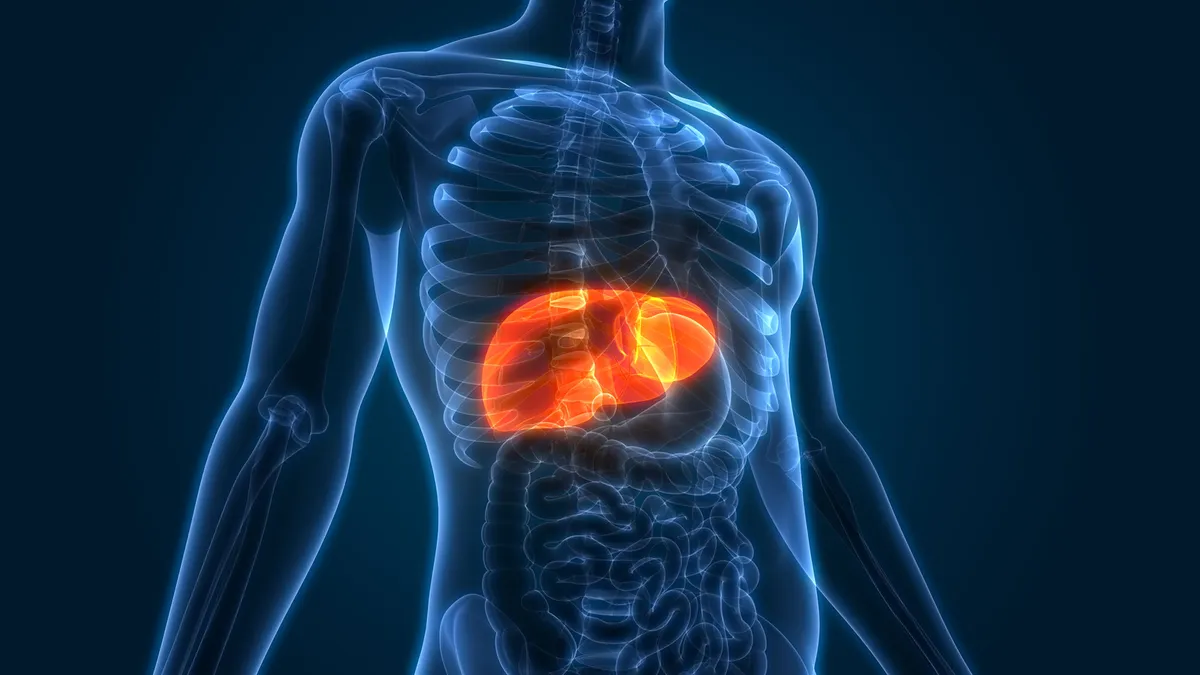
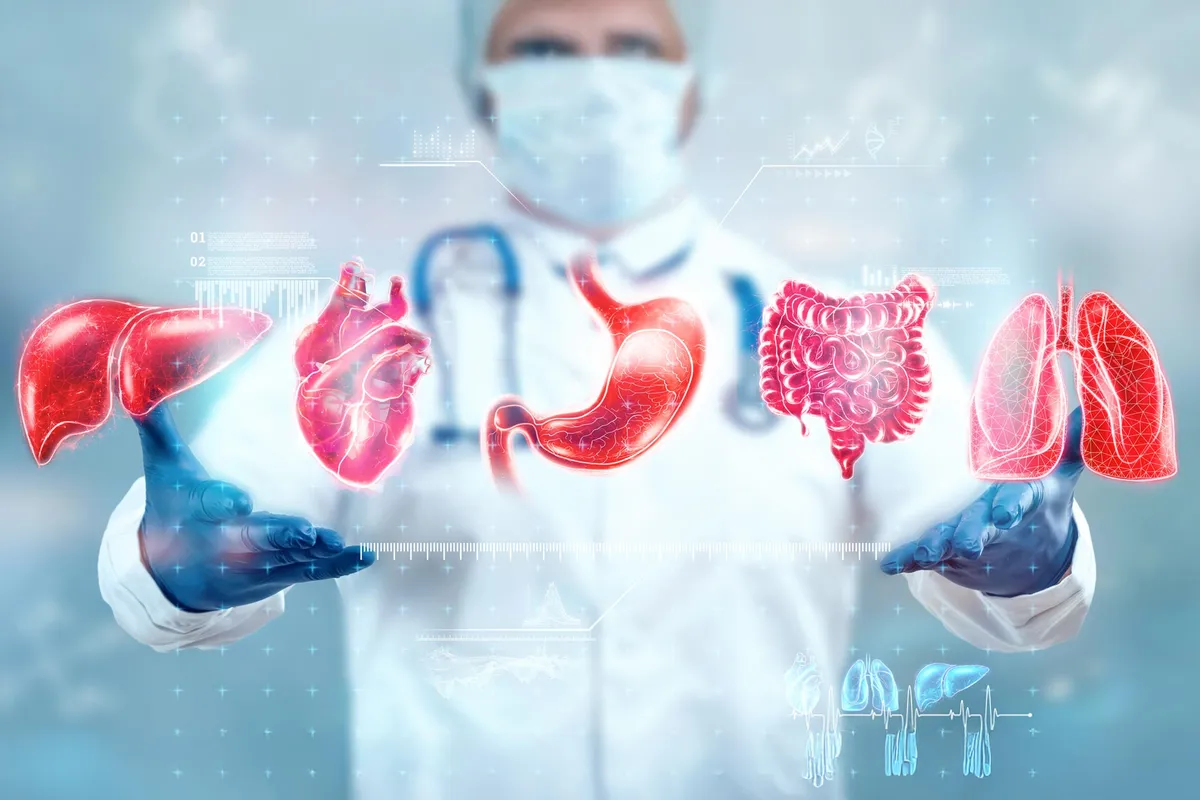
The test focuses on 11 major players: your brain, muscles, heart, lungs, arteries, liver, kidneys, pancreas, immune system, intestines, and even your fat. The big takeaway? Organs that are "unusually old" (read: significantly older than your chronological age) are basically waving a red flag for future health problems.
We're a new kind of news feed.
Regular news is designed to drain you. We're a non-profit built to restore you. Every story we publish is scored for impact, progress, and hope.
Start Your News DetoxAccording to Tony Wyss-Coray, a professor of neurology at Stanford, this indicator can essentially give you an organ's current age and then, with unsettling accuracy, predict your odds of developing a related disease a decade later. Your brain, in particular, seems to be "the gatekeeper of longevity," he notes. No pressure, brain.
To get these insights, the team analyzed blood samples from 44,498 participants in the UK Biobank, aged 40 to 70. They tracked their health for up to 17 years. What were they looking for? Nearly 3,000 proteins in each person's blood. Turns out, about 15% of these proteins are specific to a single organ, while others are multitaskers linked to several.
A clever computer model then takes these protein measurements and calculates a biological age for each of the 11 organs. It compares your protein pattern to the average for your age group. If an organ's score is way off, it gets labeled "extremely aged" or "extremely youthful." About a third of participants had at least one organ that fit these extreme categories, and a quarter had more than one. Because who wants just one unusually old lung when you can have an entire collection?
The Future, According to Your Blood
The algorithm is surprisingly good at predicting future health woes. An "extremely aged" heart meant a higher risk of atrial fibrillation or heart failure. Older lungs? Increased risk of chronic obstructive pulmonary disease (COPD).
But the brain was the real star of the show. People with biologically old brains had 3.1 times the risk of Alzheimer's compared to those with normally aging brains. A youthful brain, on the other hand, was like a superhero shield, reducing Alzheimer's risk by about 75%. In fact, someone with an "extremely aged" brain was about 12 times more likely to be diagnosed with Alzheimer's over the next decade. Let that sink in.
Even more dramatically, brain age was the strongest predictor of overall mortality. Those with extremely aged brains faced a 182% higher risk of dying over 15 years, while the youthful-brained among us enjoyed a 40% lower risk. So, maybe lay off the doomscrolling, for your brain's sake.
Wyss-Coray believes this is "the future of medicine," shifting the focus from treating sickness to preventing it entirely. Imagine identifying extreme brain age as an early warning for Alzheimer's, allowing interventions before symptoms even appear. Clinical trials could track how lifestyle, diet, and even existing drugs affect organ aging. Maybe that kale smoothie really is making your liver younger.
The analytical tool is currently for research only, but Wyss-Coray plans to commercialize it within the next two to three years. The cost is expected to drop once they narrow the focus to key organs like the brain, heart, and immune system. Because knowing if your brain is a grumpy old man or a spry teenager? That's priceless.