A new study suggests that low-intensity ultrasound could change how immune cells behave. This might reduce long-term inflammation and help tissues heal after a joint injury.
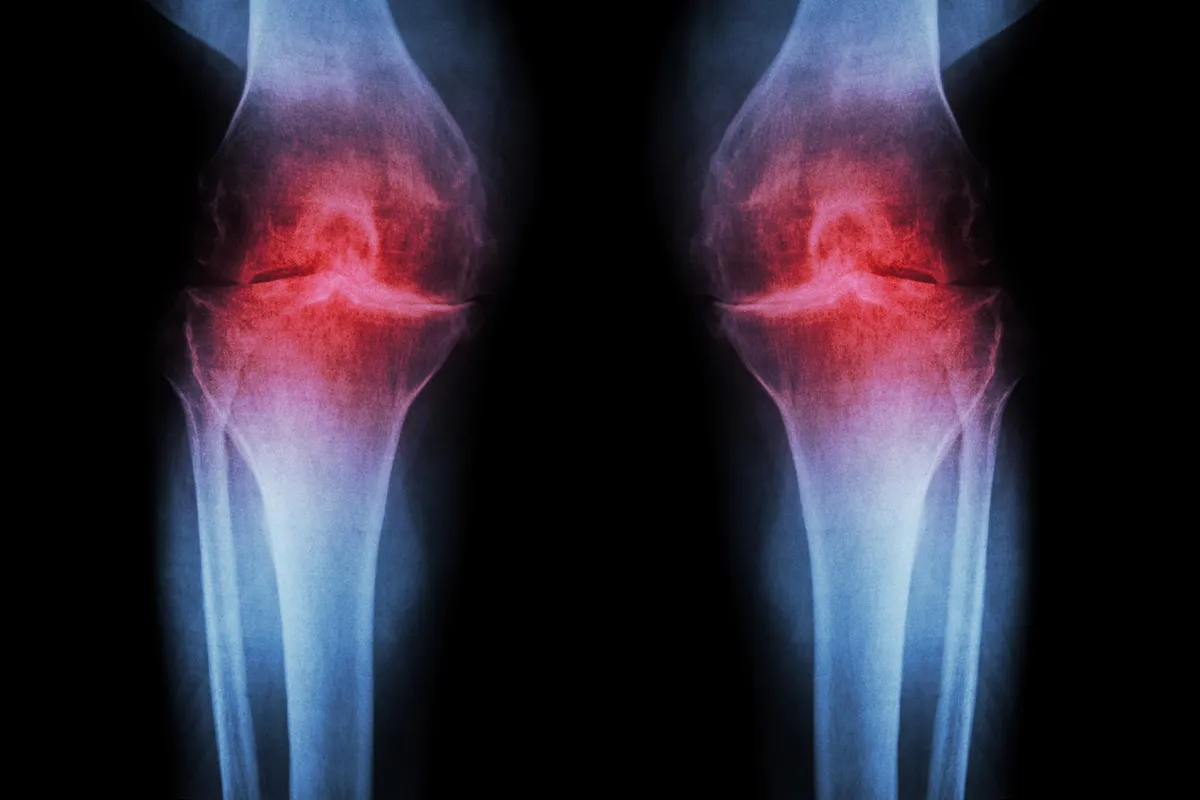
Millions of people get joint injuries each year. These injuries can start a chain reaction in the body. Even after the injury heals, the immune system might stay in "attack mode" instead of switching to repair. This can slowly wear away cartilage and raise the risk of post-traumatic osteoarthritis. This type of arthritis makes up about one in eight osteoarthritis cases and often appears years after an injury.
Researchers at The University of Alabama in Huntsville (UAH) found that continuous low-intensity ultrasound might stop this process. It could guide immune cells toward healing instead of ongoing inflammation. This suggests a new, non-invasive way to protect injured joints.
We're a new kind of news feed.
Regular news is designed to drain you. We're a non-profit built to restore you. Every story we publish is scored for impact, progress, and hope.
Start Your News DetoxThe study was published in the Nature journal Scientific Reports. It brought together experts in engineering, immunology, mathematics, and computational biology. They looked at how ultrasound affects macrophages, which are immune cells that manage both inflammation and tissue repair. Dr. Anuradha Subramanian, a professor of chemical and materials engineering, led the project.
Immune Cells and Healing
The study focused on how non-invasive ultrasound affects macrophages. These immune cells are key to both inflammation and repair.
Dr. Subramanian explained that after an injury, the body sends "defender" macrophages (M1) to clear damaged tissue. It also sends "healer" macrophages (M2) to help with repair and recovery. If defender macrophages stay dominant for too long, it can cause ongoing inflammation. This contributes to post-traumatic osteoarthritis.
The UAH team wanted to see if continuous low-intensity ultrasound could shift macrophages away from long-term inflammation. They hoped it would move them toward a state that supports tissue healing.
Dr. Subramanian noted that M1 macrophages promote inflammation to fight damage or infection. But too much M1 activity can harm healthy tissue. In contrast, M2-like macrophages help repair and recover tissue.
Shifting macrophages toward an M2-like state is important. It could help reduce chronic inflammation and encourage healing in damaged joints. The findings suggest that continuous low-intensity ultrasound might help restore this balance by promoting a more reparative macrophage response.
Dr. Satyaki Roy, a professor of mathematical sciences, added that post-traumatic osteoarthritis is partly caused by ongoing inflammation. This limits tissue repair and speeds up joint damage. The team is interested in continuous low-intensity ultrasound because it's a non-drug, non-invasive method. It might help control immune cell behavior and create a better healing environment in injured joints.
A Better Injury Model
To better mimic a damaged joint, the researchers used fibronectin fragments. These molecules are made when tissue breaks down. This approach gave them a model that more closely matched the environment inside an injured joint, rather than just using standard lab methods for inflammation.

For their analysis, Dr. Roy combined "transcriptomics," which studies gene activity, with a computational method called "differential clustering." This method helps find groups of genes that change together when conditions shift. It looks beyond single genes, giving a broader view of how immune cells reacted to ultrasound.
Dr. Roy explained that this allowed them to study not only which genes changed, but also how groups of genes changed their combined behavior in response to ultrasound.
The results showed that continuous low-intensity ultrasound reduced markers linked to inflammation. It also increased markers associated with a more reparative, M2-like macrophage state.
Future Possibilities
This research is still in the lab stage. However, it suggests that non-drug, non-invasive technologies could help guide immune activity and support healing after injury. Dr. Subramanian and her colleagues believe this approach might eventually work with future treatments. These treatments could slow osteoarthritis and improve recovery after joint trauma.
Dr. Subramanian said the next steps involve testing these findings in animal models of early post-traumatic osteoarthritis. They will also study how ultrasound affects long-term tissue repair in joint injuries.
Deep Dive & References
Continuous low-intensity ultrasound influences the transcriptomic profile in M1 macrophages by downregulating inflammation and promoting M2-like markers - Scientific Reports, 2026