Scientists have created tiny, injectable "mini livers" that could one day replace liver transplants. In mice, these mini livers restored important liver functions for at least two months.
This breakthrough could help thousands of people suffering from liver failure.
Injectable Mini Livers Offer a New Solution
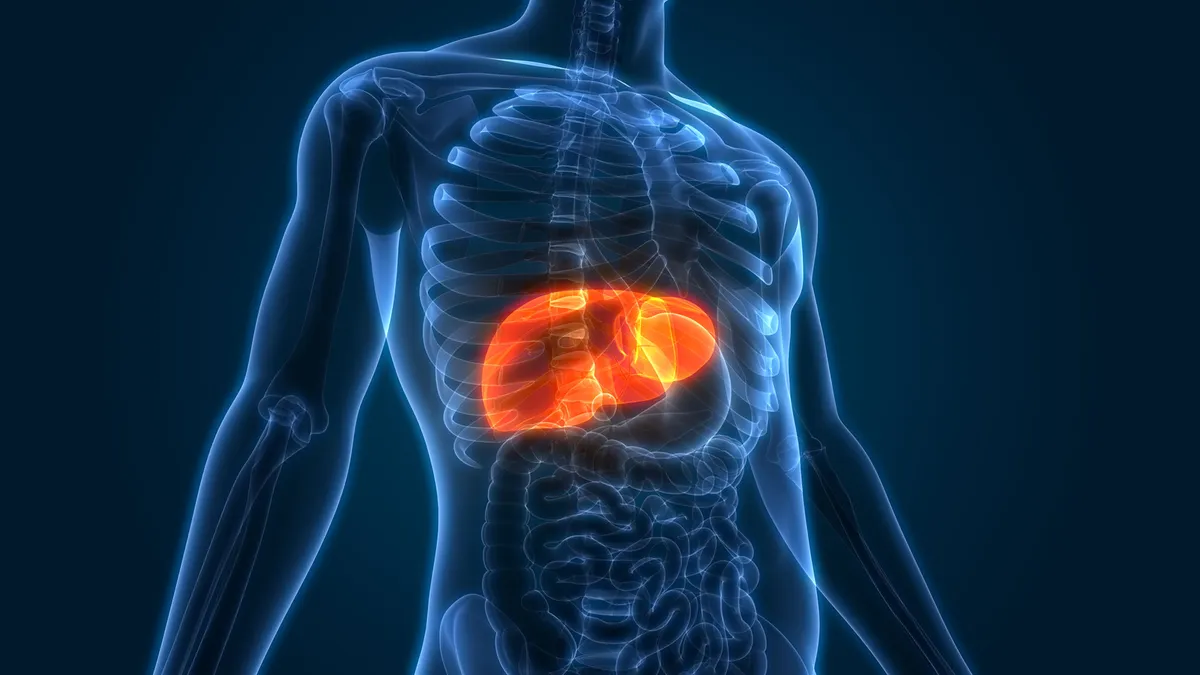
The liver is a vital organ, performing hundreds of tasks like filtering toxins and producing proteins for blood clotting. When it fails, a transplant is often the only treatment. However, there's a severe shortage of donor organs.
MIT engineers developed these injectable mini livers. They act as "satellite livers" that can boost function while the sick organ remains in place. Sangeeta Bhatia, a professor at MIT, led the study.
We're a new kind of news feed.
Regular news is designed to drain you. We're a non-profit built to restore you. Every story we publish is scored for impact, progress, and hope.
Start Your News DetoxThe liver performs about 500 crucial jobs, many relying on hepatocytes, its main functional cells. For over a decade, Bhatia's lab has worked on restoring hepatocyte activity without surgery.
Their new method involves injecting hepatocytes along with hydrogel microspheres. These tiny spheres help the cells stay clustered and connect with nearby blood vessels. The spheres act like a liquid when packed, allowing injection, then become solid inside the body.
This approach creates an engineered environment for the cells to survive and form new tissue. The microspheres provide a "niche" where hepatocytes can localize and connect to the host's blood supply faster.
The injected material also includes fibroblast cells. These cells support hepatocyte survival and encourage blood vessel growth into the graft.
Restoring Liver Function Without Surgery
Researchers used an ultrasound-guided syringe to place the cell mixture into fat tissue in the abdomen. This imaging method can also track the implant's stability over time.
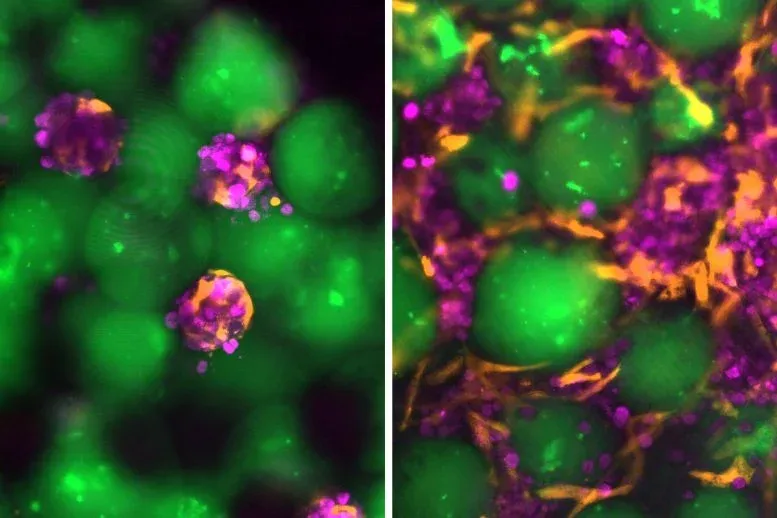
The mini livers formed a dense, stable structure. New blood vessels grew into the graft, keeping the hepatocytes alive and functional. The cells remained alive and released specialized proteins for eight weeks, the study's full duration.
This suggests the approach could be a long-term treatment for liver disease. It could also serve as a "bridge to transplantation," providing support until a donor organ becomes available.
Currently, patients would likely need immunosuppressive drugs. Bhatia's lab is exploring ways to overcome this, such as creating "stealthy" hepatocytes or hydrogel microspheres that release immunosuppressants directly at the graft site.
Deep Dive & References: Image-guided injectable niche for hepatocyte transplantation - Cell Biomaterials, 2026