For decades, AT&T apparently decided that the bottom of Lake Tahoe was an excellent place to store over 100,000 pounds of lead in old telecommunications cables. Out of sight, out of mind, right? Until they started, you know, leaking.
Enter the California Sportfishing Protection Alliance (CSPA), who, in 2021, decided this wasn't quite sporting. They sued AT&T to get those lead monsters out of the lake. The only catch? Proving a giant corporation is polluting a national treasure costs millions, and science isn't cheap.

That's where Roland Peralta, a serial entrepreneur with a new nonprofit called WHEN Justice, stepped in. He dropped a cool $100,000 to fund the crucial scientific testing needed. Suddenly, the lawsuit had teeth.
We're a new kind of news feed.
Regular news is designed to drain you. We're a non-profit built to restore you. Every story we publish is scored for impact, progress, and hope.
Start Your News DetoxThe “Aha!” Moment
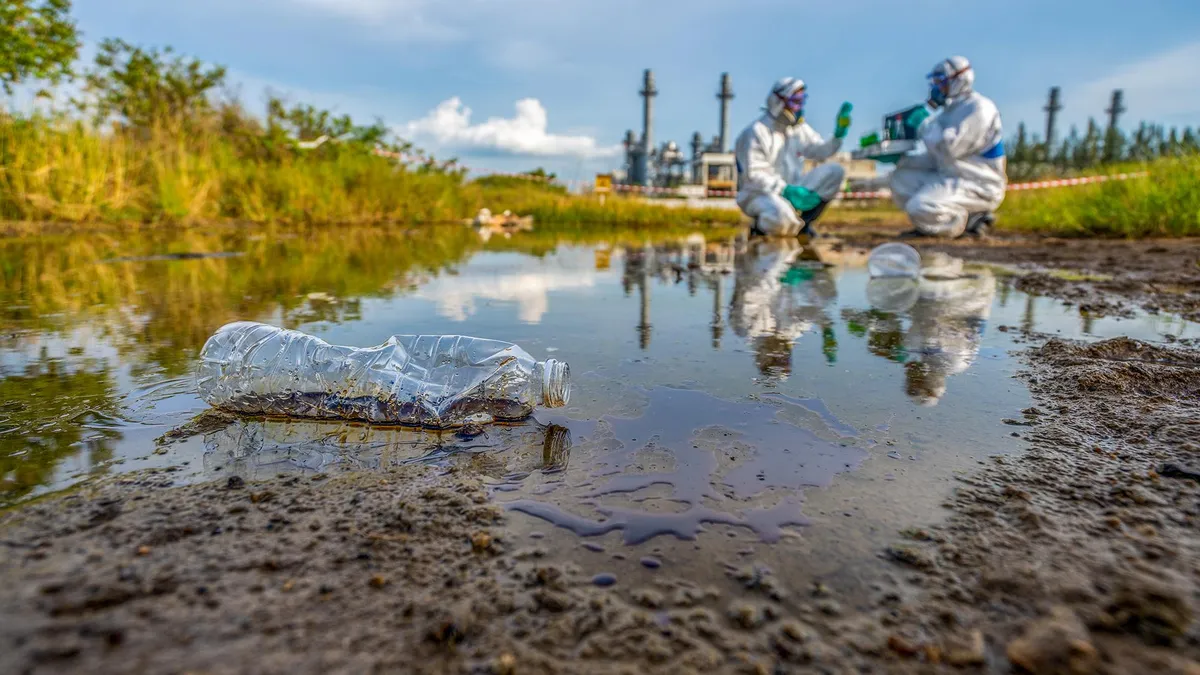
With Peralta's funding, scuba divers went to work, pulling up samples from the lakebed. The verdict? Lead from the cables was absolutely seeping into the water. Even better, lead isotopic testing provided a literal "fingerprint," proving the lead in the lake was a perfect match for the lead in AT&T's abandoned cables.
Once the science was undeniable, AT&T folded faster than a cheap lawn chair. They settled the case in a mere nine weeks and removed the cables within months. "That was the 'aha' moment," Peralta recalled. "We realized we could scale this model."

Crowdfunding the Clean-Up Crew
WHEN Justice, officially launched on Earth Day in April 2026, has a deceptively simple mission: provide strategic funding for the expensive parts of environmental and human health lawsuits. Think scientific testing, expert analysis, and sampling — the stuff that often bankrupts smaller groups trying to take on corporate giants.
And here's the kicker: environmental lawsuits often allow for cost recovery, meaning WHEN's donations can sometimes be recycled, funding multiple cases with a single contribution. It's like a legal-aid perpetual motion machine, but for the planet.
"WHEN made a huge difference in the Lake Tahoe case," said Erica Maharg, the environmental attorney for the sportfishing group. "Those funds gave us the evidence we needed at a critical time." Because apparently, the legal system isn't always about who's right, but who can afford the better expert witness.
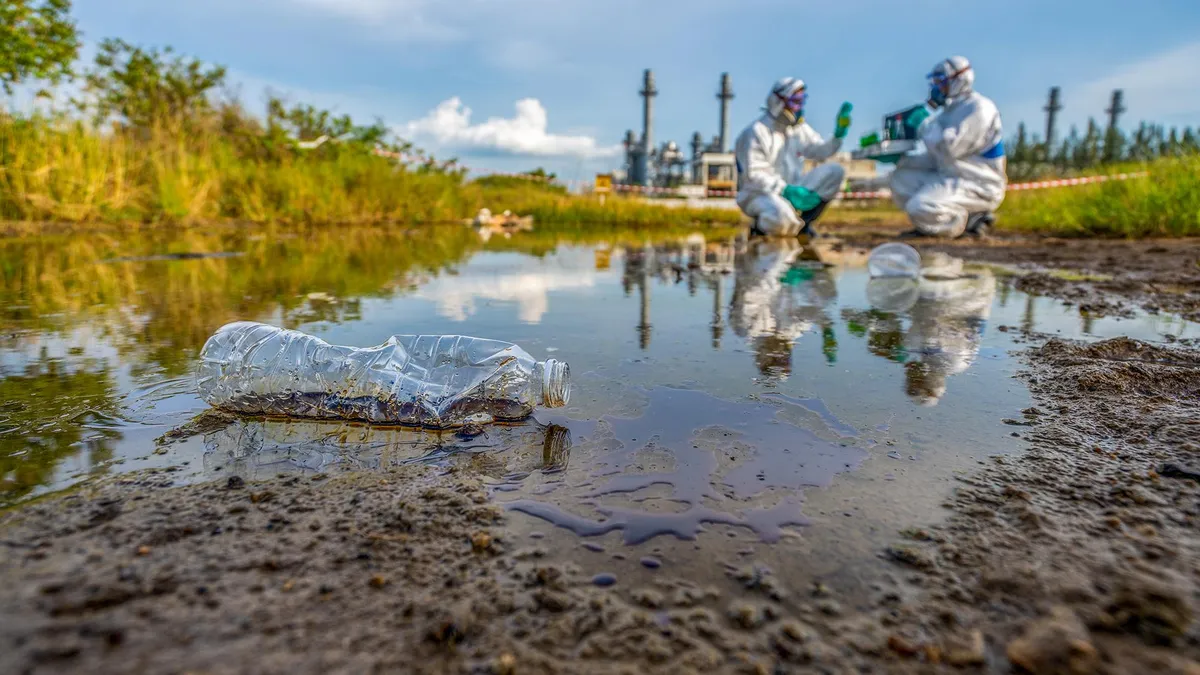
WHEN aims to be that equalizer. They're already raising funds for a lawsuit concerning a hazardous waste site near California's San Pablo Bay, where toxic substances are reportedly leaking from a landfill. It's about bringing science to the fight, showing corporations that cleaning up their mess is ultimately cheaper than fighting a well-funded, scientifically backed lawsuit.
Roland Peralta, co-founder of Nutrafol, initially considered traditional charity. But he saw a bigger opportunity in funding these David-and-Goliath battles. "I kept asking myself, what kind of world will I leave for my son?" he said. Which, if you think about it, is a pretty solid motivator.
WHEN also wants to involve the public directly, eventually through crowdfunding. "There's more power in a million people giving a dollar than in one person giving a million," said Jacqueline Biner, WHEN's chief executive and legal officer. It's about giving regular folks a "call to action button" to shut down the madness by voting with their dollar.
And sometimes, winning isn't even the only goal. "It's okay to pursue a case that might lose if it creates momentum and pressure," Biner noted. Because even a loss can educate courts, hold corporations accountable, and inform consumers. Which, if we're honest, is a win in itself.