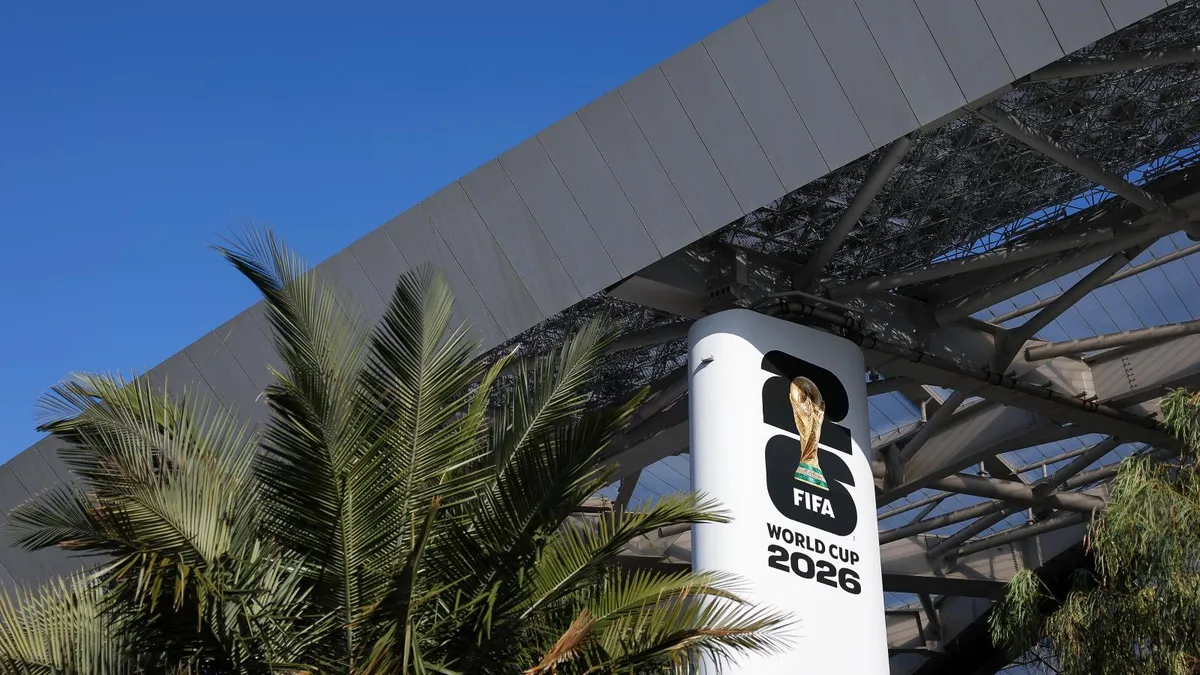
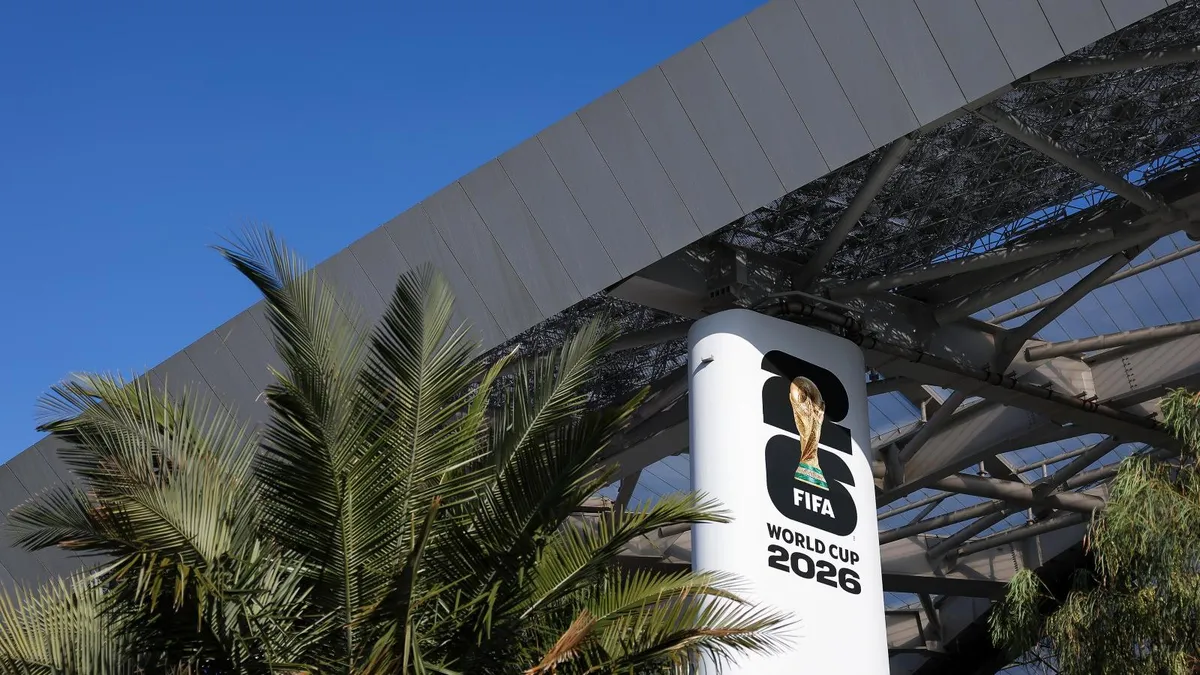
Los Angeles just used the World Cup as a dress rehearsal for the 2028 Summer Olympics. Because, apparently, hosting the planet's biggest sporting events is now a multi-stage production, complete with climate change challenges and a very ambitious public transport makeover.
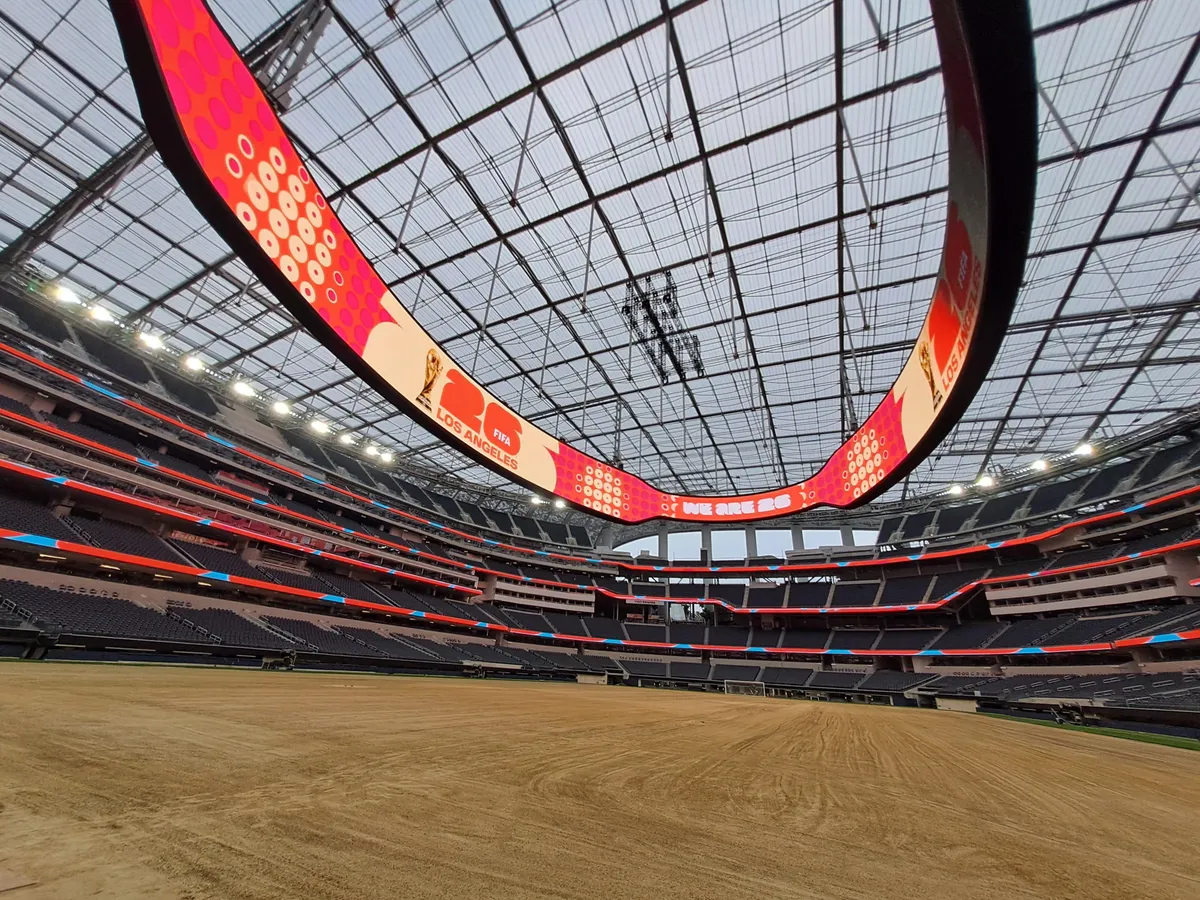
The city hosted eight World Cup matches at SoFi Stadium, testing everything from security lines to how many people can actually survive a shuttle queue in the LA sun. The goal, according to Paul Krekorian from Mayor Karen Bass’s office, is a "lasting legacy" that goes beyond just watching a ball get kicked around.

Can LA Handle the Heat?
Turns out, it's not the athletes who need cooling off most. It's the fans. Sports sociologist Sven Schneider points out that spectators and service staff are the ones baking in the concrete jungle that is much of LA. Think standing in line for the stadium, no shade in sight. FIFA, in a moment of questionable judgment, initially banned sealed water bottles. The public, wisely, revolted.
We're a new kind of news feed.
Regular news is designed to drain you. We're a non-profit built to restore you. Every story we publish is scored for impact, progress, and hope.
Start Your News DetoxSoFi Stadium, to its credit, is a bit of an anomaly. It's got a naturally ventilated roof that opens to cool things down, and it collects rainwater to irrigate native plants, which then provide some much-needed shade. Which, if you think about it, is both impressive and slightly terrifying that a stadium needs to be this self-sufficient just to survive a sporting event.
But step outside the stadium, and the surrounding city of Inglewood has a paltry 9% tree canopy cover. The recommended? A cool 30%. Temporary misting systems and awnings can only do so much when the climate is actively trying to melt you.
A Metro Makeover
LA Metro, bless its heart, sees these mega-events as a golden opportunity to convince Angelenos that public transit is, in fact, a thing. Currently, only about 3% of commutes happen on a bus or train. CEO Stephanie Wiggins is "planning with legacy in mind," which means new multilingual signs, contactless payments, and a single app to navigate the beast.
They even opened three new underground subway stops just before the World Cup. These D Line stations, connecting future Olympic Villages to downtown, are expected to serve 78,000 daily users. Ridership hit a six-year high in May, so maybe, just maybe, it's working. Wiggins notes that the 1984 Olympics also gave ridership a historic bump. Let's hope this one sticks.
For the World Cup, Union Station was transformed into a Fan Zone, complete with free water. Because nothing says "try public transit" like hydration and a party.
However, LA Metro’s bus system, which carries three-quarters of all journeys, is still a bit of a desert. Most stops lack shelter, leaving riders exposed to the elements and often without real-time info. The city is trying to upgrade them, but apparently, working across different authorities in LA is like herding cats in a heatwave. Some politicians are even hesitant to invest in bus shelters due to concerns about the homeless population. Because apparently, shade is a luxury.
The Lingering Smoke
Amid the World Cup celebrations, LA streets were lively. They were also, at times, shrouded in toxic air from a massive warehouse fire. Many residents are still recovering from last year's wildfires, the most destructive in LA history, which basically turned the sky into a post-apocalyptic movie set.
LA's Climate Action Plan aims for net zero emissions by 2045 and 100% clean energy by 2035. They're also pushing a "transit-first" Olympics. But some climate advocates are side-eyeing the city's ambition, especially after Mayor Bass dropped a requirement for new homes to be built without fossil fuel systems post-wildfires. Cassie Rauser of TreePeople lamented that the region "missed an opportunity to build more sustainably."
So, as the Olympics loom, the question remains: Will LA’s mega-event era truly leave a positive climate legacy, or just a really impressive stadium and a whole lot of questions? The countdown is on.