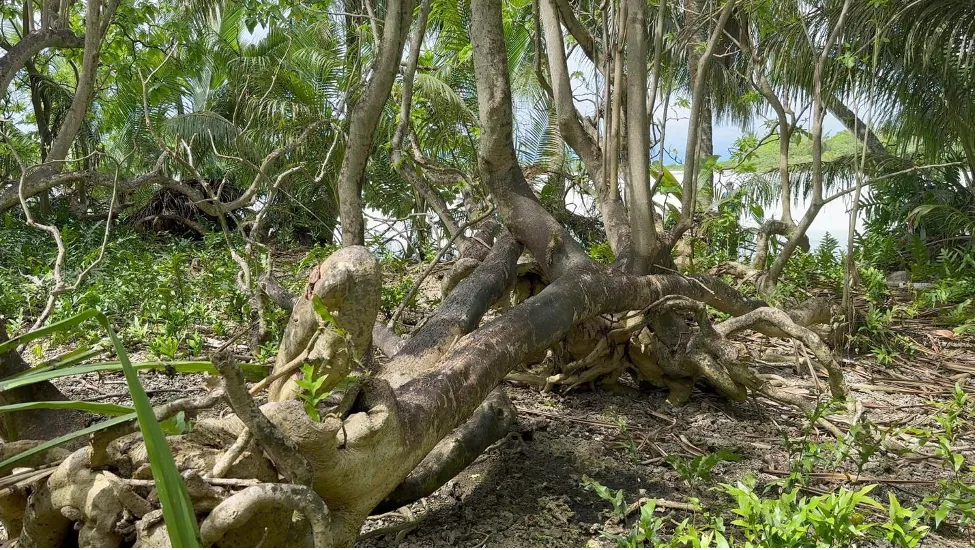
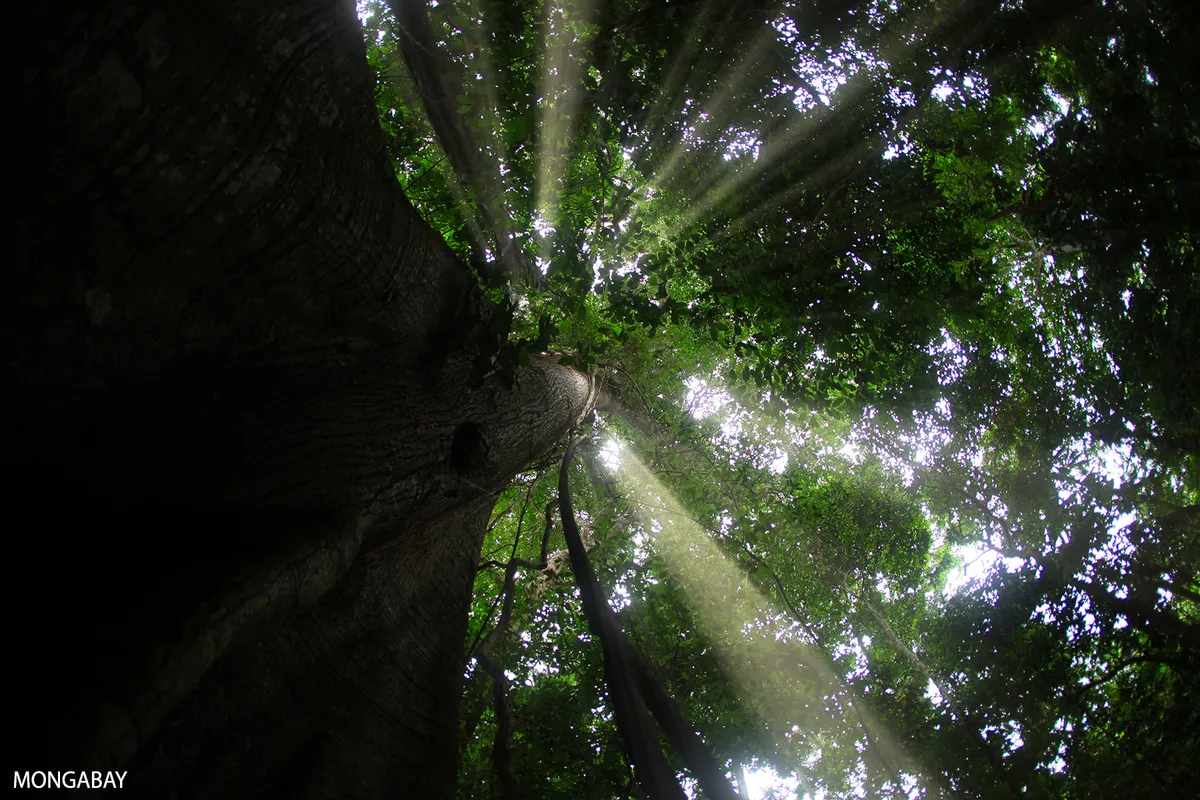
Deep in the North Pacific, on a tiny speck of land called Palmyra Atoll, a rather dramatic ecosystem is playing out. Thousands of seabirds nest in the native Pisonia grandis trees. Their droppings, known as guano, then fall to the ground and eventually feed the vibrant coral reefs nearby. It’s a whole circle of life, powered by bird poop.
But a new study just revealed the true unsung hero of this intricate dance: a specific, symbiotic mycorrhizal fungus. Because apparently, even paradise needs a silent, microscopic partner.
The Dirt on Dirt
Researchers got down and dirty, analyzing the fungal networks across the atoll. What they discovered was that every single native Pisonia grandis tree they checked had an exclusive partnership with a fungi called Tomentella. Think of it as a very particular, very ancient business arrangement.
We're a new kind of news feed.
Regular news is designed to drain you. We're a non-profit built to restore you. Every story we publish is scored for impact, progress, and hope.
Start Your News DetoxThe fungi's job? To grab massive amounts of nitrogen and phosphorus from all that bird guano. Without Tomentella acting as a nutrient bouncer, those vital elements would just wash straight into the ocean, leaving the trees high and dry. This is especially wild because most fungi of this type usually struggle in super nutrient-rich soil. But the Tomentella linked to Pisonia? They thrive on the seabird guano's high phosphorus content, suggesting a co-evolutionary pact that goes way back.
This isn't just a fun fact for your next dinner party; it's a huge deal for the ongoing efforts to restore Palmyra's native forests. See, workers are currently in the process of removing 1.5 million invasive coconut palms from the island. That's a lot of trees, and a lot of cleared land.
The catch? The study found that Tomentella fungi become significantly scarcer more than 250 meters (about 820 feet) away from a Pisonia tree. Which means if you clear a massive area of those pesky coconut palms, the native Pisonia trees might not just magically grow back. The soil might literally be missing their essential fungal wingmen. It turns out, even a rainforest needs its designated support crew.