You'd think a healthy ecosystem just needs a lot of different species hanging out, right? Turns out, it's less about the sheer numbers and more about who's eating whom. Because apparently, the more complex and dramatic those dinner arrangements are, the better everything works.
New international research, spearheaded by the University of Waikato and the German Center for Integrative Biodiversity Research (iDiv), just dropped a truth bomb: ecosystems with a diverse cast of characters—especially a diverse cast of predators—are the ones truly thriving. They're better at things like keeping pests in check, regulating the climate, and generally not collapsing under pressure.
The Dinner Party From Hell (or Heaven)
Dr. Andrew Barnes, the lead author, put it plainly: ecosystems are essentially giant, interconnected reality shows. It's all about who's preying on whom, how energy flows from one player to the next, and the surprisingly crucial role of the guys at the top of the food chain. Think of it as a very intense, very hungry web series.
We're a new kind of news feed.
Regular news is designed to drain you. We're a non-profit built to restore you. Every story we publish is scored for impact, progress, and hope.
Start Your News DetoxAnd when those top predators vanish—say, due to habitat loss, pollution, or the climate doing its chaotic dance—the whole intricate system starts to wobble. Key functions get weaker. Which, if you're a fan of things like, say, breathable air and not being overrun by bugs, is less than ideal.
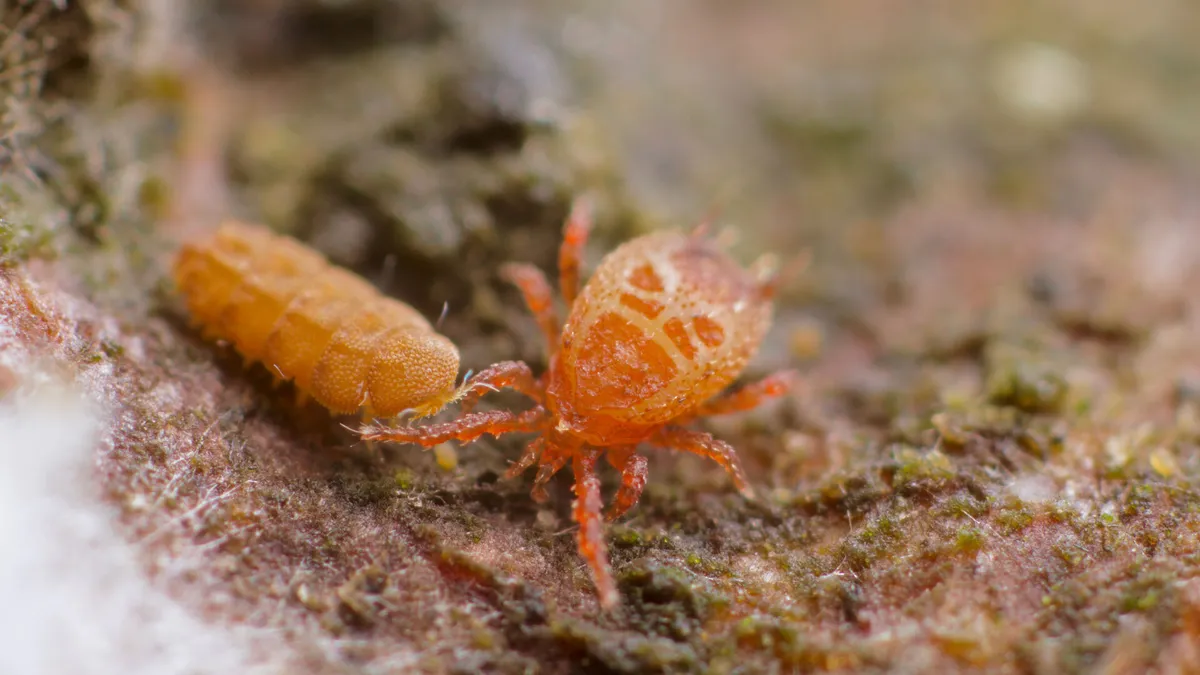
This wasn't some small-town study, either. The team, a global collaboration of over 20 institutions, dug into more than 300 food webs. We're talking oceans, lakes, streams, even the dirt under your feet. From the smallest soil mites to the biggest sharks, they all play a part.
What they found was wild: predation was up to 70 times higher in ecosystems boasting a diverse range of species. Let that satisfying number sink in. This isn't just about one group of organisms; it's the most thorough look yet at how biodiversity affects the entire tangled mess of an ecosystem.
Dr. Benoit Gauzens, a senior author, summed it up perfectly: species don't operate in a vacuum. Ecosystems are basically elaborate networks of interactions. So, if we want to understand—and protect—what happens when biodiversity changes, we need to do more than just prevent species from going extinct. We need to protect the actual, messy, eat-or-be-eaten relationships that keep the whole planet humming. Because apparently, the more drama, the better.