When wind turbines reach the end of their life, the industry faces a challenge. Thousands of tonnes of turbine blade material will need replacement by 2030. Currently, most blades end up in landfills or are incinerated.
The first commercial wind farm in Ireland, Bellacorrick in County Mayo, was decommissioned this year. Now, two Northern Ireland companies are working together to dispose of its blades in an eco-friendly way.
From Blades to Building Materials
Over the next 15 years, about 400 turbines in Northern Ireland will need replacing. This means a lot of material that is currently hard to recycle.
We're a new kind of news feed.
Regular news is designed to drain you. We're a non-profit built to restore you. Every story we publish is scored for impact, progress, and hope.
Start Your News DetoxScientists worldwide are looking for ways to turn old blades into new products. Research by Queen's University Belfast (QUB) showed they could be used for bridges and street furniture. Other companies are exploring different uses.
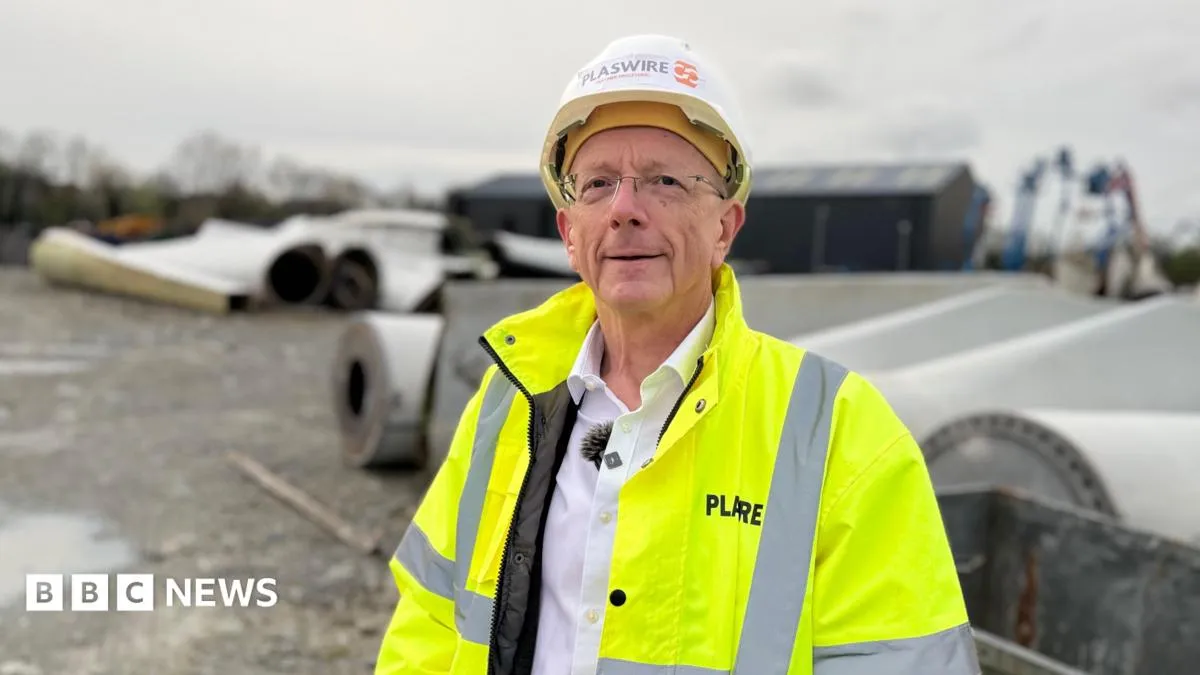
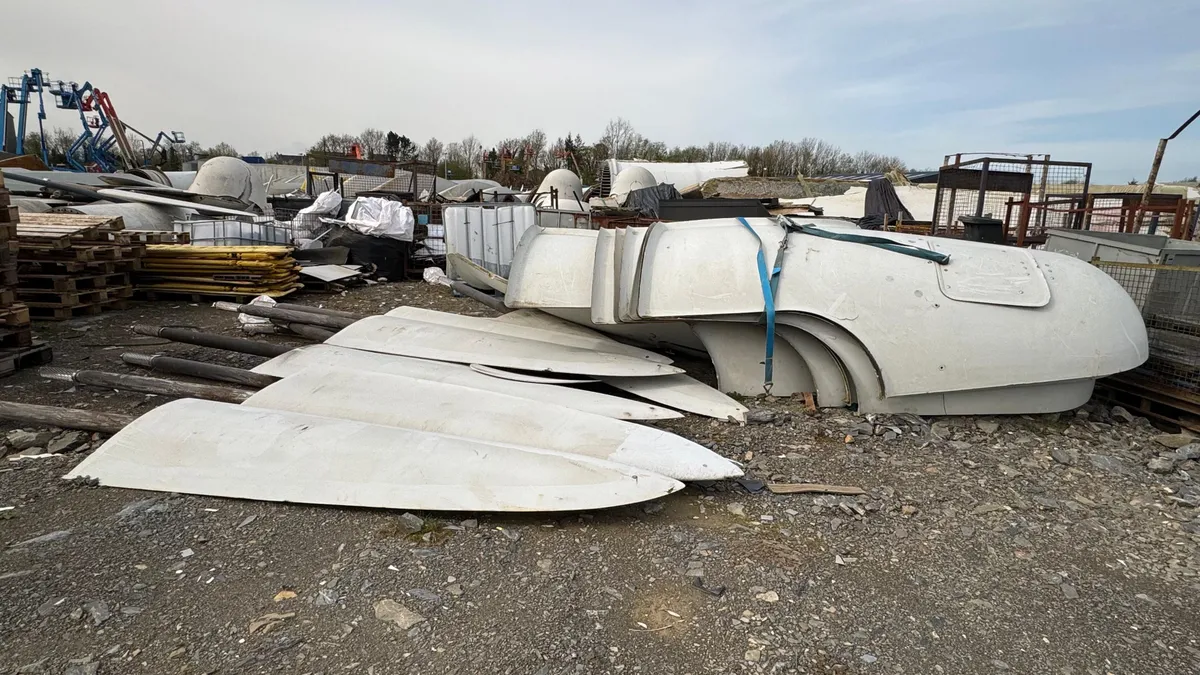
Plaswire Ltd in Lurgan, County Armagh, is one such company. Their yard is full of old turbine parts and other industrial materials.
Andrew Billingsley, Plaswire's Chief Executive, says finding new uses for blade waste is key to a green, circular economy. He calls the waste issue "colossal."
"The blades are big," he noted. "They have been going to landfill and disappearing into quarries." He estimates about 125,000 tonnes of blades worldwide are disposed of each year, rarely in a sustainable way.
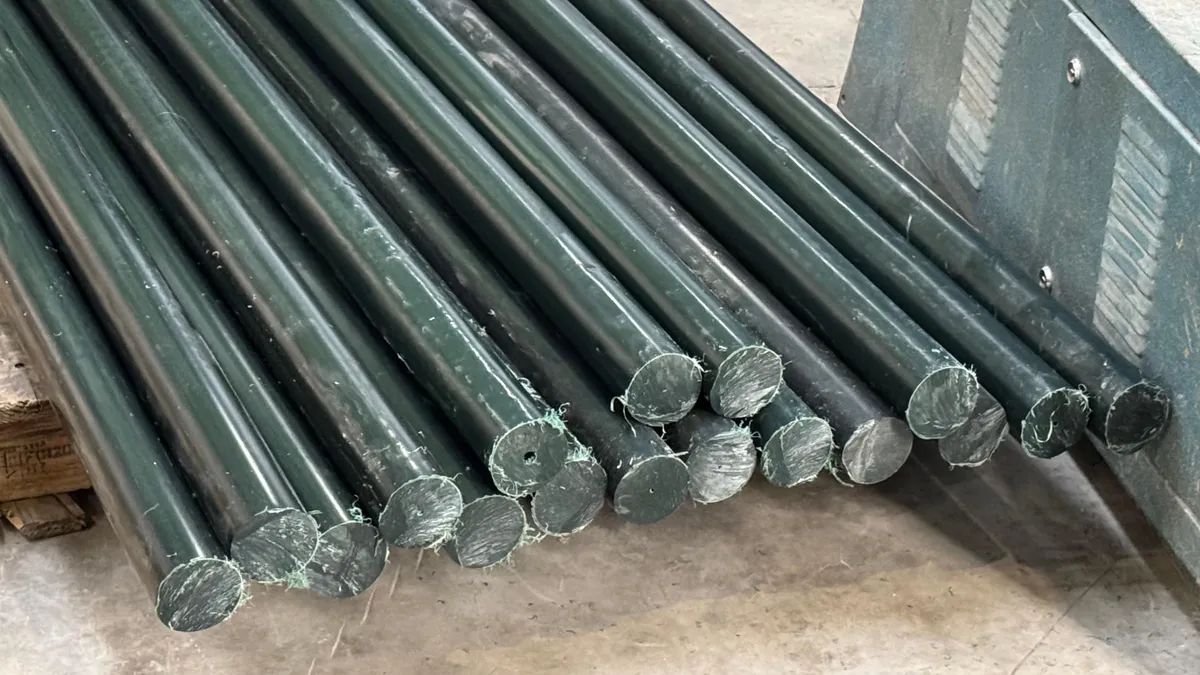
Plaswire turns the blades into a durable material. This material can replace timber for fence posts and transport pallets. Billingsley believes it could also replace precast concrete.
He explained that making one tonne of new plastic uses about three tonnes of CO2. By recycling, Plaswire prevents plastic incineration, which produces 2.7 to 2.9 tonnes of CO2 per tonne burned.
Tracking Recycled Products
Kieran Kelly, founder of ubloquity, uses technology to track recycled blades. His company attaches a QR code or radio frequency tag to a product. This allows it to be tracked throughout its journey.
Kelly explained that holding a phone near the product lets it "tell you the story." It can share details like when and where it was made, and what its final product is. He believes this gives a brand and product a "voice" on the global stage.
Similar technology is used for post-Brexit freight checks. Kelly sees growing demand for such solutions in sustainability. He highlighted how this project shows a circular economy, promotes green practices, and creates jobs in Northern Ireland.
Why Wind Farms Are Replaced
Bellacorrick wind farm, opened in 1992, was advanced for its time. Its 21 turbines supplied 6.5 megawatts of power, enough for about 4,500 homes. It was designed to last 25 years but exceeded that.
Its blades were 46 to 53 meters long. Today's blades can reach up to 200 meters. Bigger blades mean more efficient power production from fewer turbines.
Eighteen new, larger turbines will replace Bellacorrick's 21. Each new turbine can produce more power than the entire original wind farm.
The site will join the nearby Oweninny wind farm. Oweninny already has 60 turbines, producing 192 megawatts for 140,000 homes and businesses. With the 18 new turbines, capacity will increase to 220,000 homes.