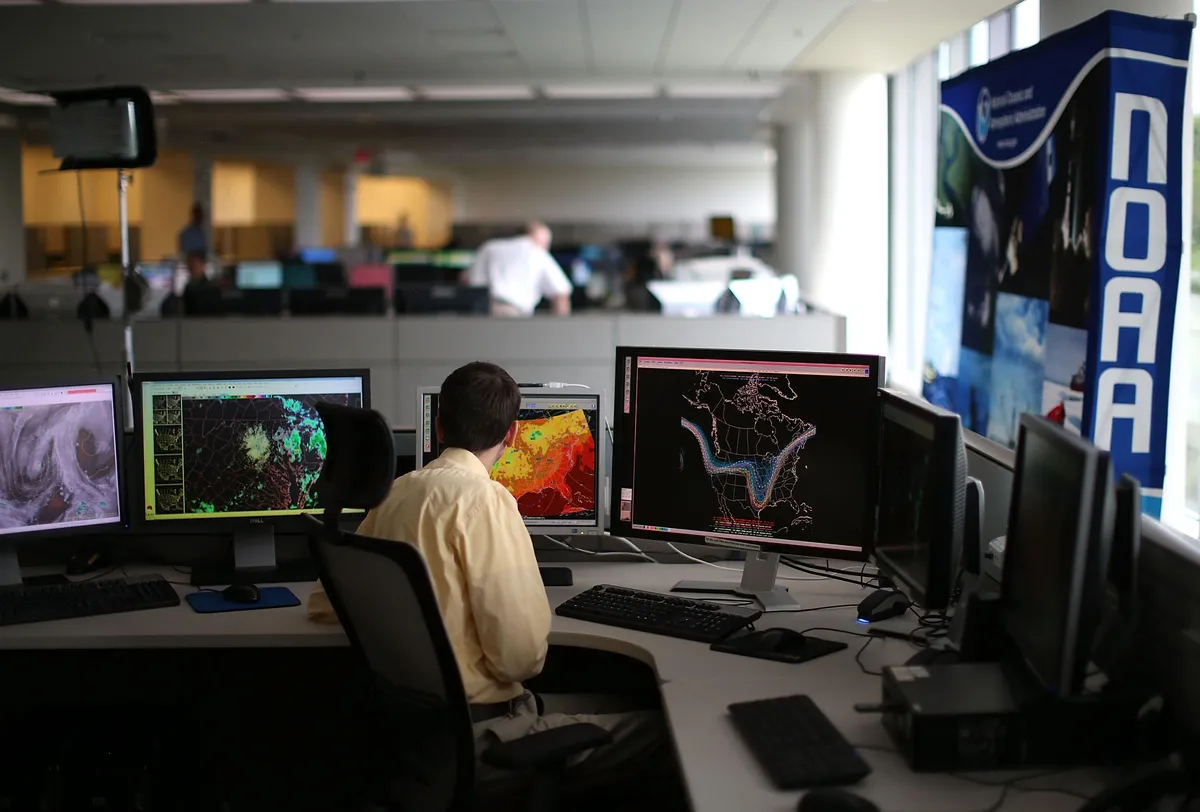
Imagine pouring years into building a public resource, only for it to disappear overnight. That’s precisely what happened to Rebecca Lindsey, lead writer and manager for NOAA's Climate.gov. She helped create a website that translated complex climate research into plain English for the public. Then, in 2017, she was fired. Within months, the Trump administration cleared out the rest of the staff and shut the site down entirely.
Because apparently, that's where we are now: government-backed climate science, poof, gone. This despite an executive order that, with a straight face, called for "restoring gold standard science." The irony, as they say, is delicious.

Lindsey, however, wasn't about to let all that work evaporate. Teachers, community leaders, and even other government researchers relied on Climate.gov. So, the former team did what any group of determined scientists would do: they resurrected it. Behold, Climate.us.
We're a new kind of news feed.
Regular news is designed to drain you. We're a non-profit built to restore you. Every story we publish is scored for impact, progress, and hope.
Start Your News DetoxThe Phoenix Rises (with a URL change)
Launched recently, Climate.us isn't just a dusty archive. It's a living, breathing, updated version with new visuals, explanations, and Q&As, all meticulously vetted by actual scientists. In its first two weeks alone, the site garnered 800,000 page views. For context, the old NOAA site used to pull in about a million a month. Not bad for a phoenix with a shoestring budget.
This wasn't an isolated incident, either. After 2017, numerous accessible climate resources vanished from government sites. The National Climate Assessments? Gone. The EPA scrubbed at least 80 webpages, and their page on climate change causes now subtly suggests that maybe, just maybe, humans aren't the main culprits. It's an "all-out assault on climate information," as Izzy Pacenza, who tracks government websites, put it.
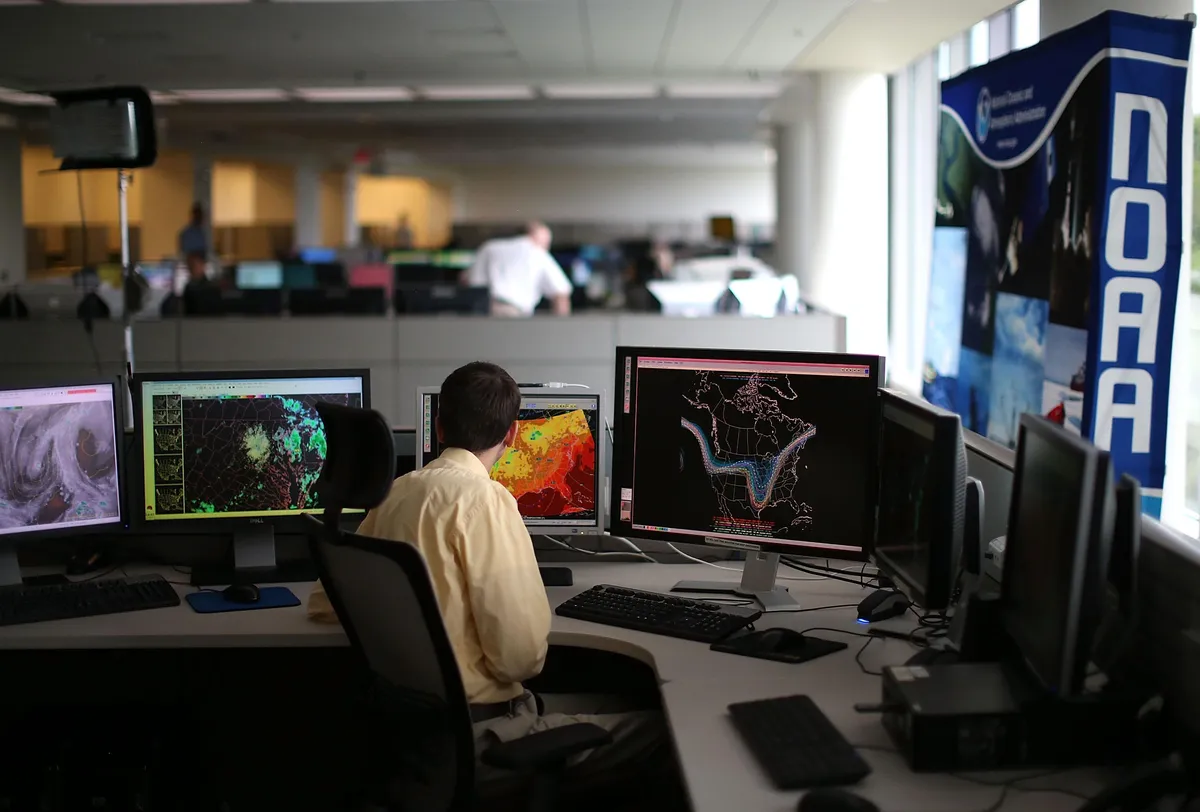
So, organizations are stepping up. The American Geophysical Union, for instance, launched a global effort to make environmental datasets tougher to erase. They've even found ways for U.S. scientists to contribute to international climate reports, even after the Trump administration pulled the U.S. out of those groups. Because, as CEO Janice Lachance dryly observed, "It can't just be the federal government anymore." Too much control in too few hands, it turns out, is a rather fragile arrangement.
The Unsung Heroes of Data Preservation
Moving critical science from the government to a nonprofit is no small feat. Adam Smith, who used to track billion-dollar weather disasters at NOAA, had to move his entire project to Climate Central. It took him almost a year to get it back to where it was, despite using the exact same data. Climate.us faced similar hurdles, relying on crowdfunding and philanthropists, and even dealing with scientists who hesitated to contribute for fear of political retaliation.
Lindsey is now running Climate.us with just three full-time staff, down from eight at NOAA. She sometimes wonders if she has the energy to start over. Which, if you think about it, is both impressive and slightly terrifying.
While these efforts are vital, they can't fully replace the federal government's reach or its instant public recognition. "No nonprofit can match the government's reach," noted Gretchen Gehrke, co-founder of the Environmental Data and Governance Initiative. It’s a bit like trying to replace a superhighway with a network of charming but less-traveled country roads.
The whole situation has been a rude awakening for data advocates. It's not just about rescuing a website; it's about fixing the "plumbing" — the invisible, often fragile infrastructure that makes government data vulnerable to political whims. Because critical scientific data shouldn't be a political football. It should just… be.